Category: Art

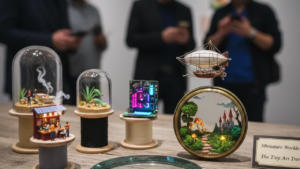
Miniature Worlds: The Tiny Art Trend
In a world often dominated by grand gestures and oversized spectacles, a quiet revolution is taking place in the realm of art. Miniature worlds, those intricately crafted tiny scenes and diminutive creations, have captured the imagination of artists, collectors, and enthusiasts alike. This trend, sometimes called tiny art or miniature dioramas, invites viewers to peer… Read More
How Social Media Is Shaping New Creative Movements
Social media has fundamentally altered the landscape of creative expression, serving as both a catalyst and a canvas for new artistic movements. In an era where platforms like Instagram, TikTok, Twitter (now X), YouTube, and emerging networks dominate daily interactions, creativity no longer unfolds solely in traditional galleries, studios, or publishing houses. Instead, it emerges… Read More
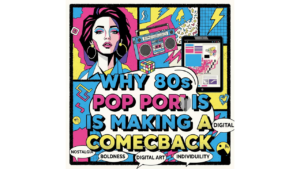
Why 80s Pop Art Is Making a Comeback
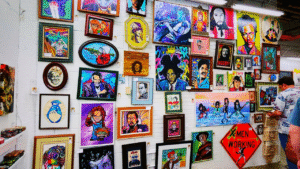
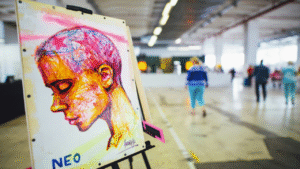
In recent years, a vibrant and unapologetically bold aesthetic has been resurfacing across galleries, fashion runways, social media feeds, and even home decor. Bright colors, graphic lines, consumer imagery, celebrity icons, and a mix of irony and celebration define this resurgence. It draws heavily from the neo-pop or 1980s pop art movement, an energetic evolution… Read More
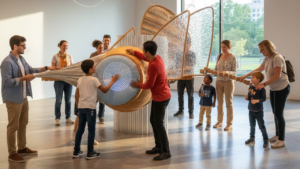
Art You Can Touch, Feel, and Play With
Art has traditionally been something to observe from a distance. Paintings hang on walls behind velvet ropes. Sculptures sit on pedestals under careful lighting. Viewers admire but rarely participate. Yet a growing movement challenges this separation. Artists create works meant for direct engagement. These pieces invite hands to explore textures, bodies to move through spaces,… Read More
Turning Trash Into Treasure in Modern Studios
In an era defined by environmental awareness and resource scarcity, artists and designers in modern studios are redefining creativity by transforming discarded materials into valuable works of art. This practice, often called upcycling or recycled art, goes beyond simple reuse. It challenges perceptions of waste, sparks innovation, and contributes to a more sustainable creative process.… Read More
AI Artists: Are Machines the New Picassos?
In the autumn of 2018, the art world witnessed something unprecedented. At Christie’s auction house in New York, a painting titled Portrait of Edmond Belamy sold for $432,500. The work depicted a blurred, aristocratic figure in the style of old masters, yet no human hand had touched a brush. It emerged from a generative adversarial… Read More
Color Psychology: How Hues Inspire Creativity
Color surrounds us constantly, shaping our perceptions in ways both obvious and subtle. Color psychology examines how different hues influence human emotions, behaviors, cognition, and motivation. This field draws from evolutionary biology, learned cultural associations, and physiological responses to light wavelengths. Creativity thrives on divergent thinking, novel connections, emotional openness, and sustained motivation. Certain colors… Read More
Exploring 3D Art Exhibits in the Metaverse
The metaverse has transformed how people gather, create, and experience culture. Among its most compelling applications is the rise of 3D art exhibits. These virtual spaces allow visitors to walk through digital galleries, circle sculptures that float or rotate freely, and interact with installations that respond to movement or sound. Unlike traditional museums bound by… Read More
Street Art: Murals That Redefined Cities
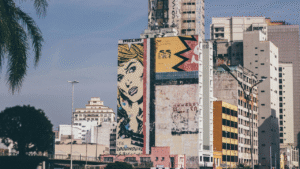
Walk down a once-forgotten alley or along a drab industrial wall in any major city today and you might encounter a burst of color, a towering portrait, or a swirling narrative that stops you in your tracks. What was once blank concrete or peeling paint now pulses with life, telling stories of struggle, joy, resistance,… Read More
How Everyday Sketches Shape Art Trends
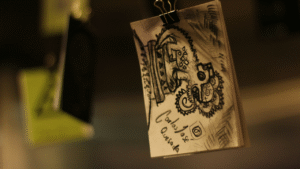
In studios, cafes, subways, and bedrooms around the world, people reach for a pencil, pen, or stylus and make a quick mark. These everyday sketches, born from observation, boredom, inspiration, or necessity, rarely look like finished masterpieces. They are often rough, imperfect, and private. Yet time and again, these unpolished lines and forms have seeded… Read More
How Art Influences Architecture Around the World
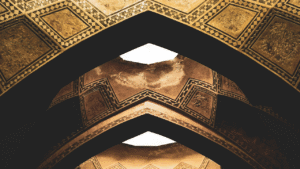
Architecture stands as one of humanity’s most enduring expressions of creativity, yet it rarely exists in isolation from other artistic forms. Painting, sculpture, music, literature, and performance have long shaped the way buildings are conceived, decorated, and experienced. Art supplies the symbolic language, emotional resonance, and cultural narratives that transform functional structures into meaningful places.… Read More
Famous Self-Portraits and What They Reveal
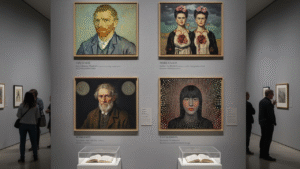
Self-portraiture stands as one of the most enduring and revealing genres in art history. Artists have turned to their own likenesses for centuries, not merely to record physical appearance but to explore identity, emotion, mortality, and the creative process itself. From the Renaissance onward, when individualism gained prominence, self-portraits became vehicles for personal narrative, technical… Read More
The Secret Symbols Hidden in Renaissance Paintings
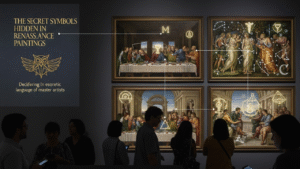
The Renaissance, spanning roughly the fourteenth to the seventeenth centuries, transformed European art through a revival of classical antiquity, the rise of humanism, and profound shifts in religious and intellectual life. Artists of this period rarely created purely decorative or literal images. Instead, they embedded layers of meaning that rewarded educated viewers with theological insights,… Read More
Why Sketchbooks Are a Window Into an Artist’s Soul
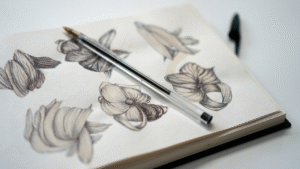
In the pages of a well worn sketchbook lies something far more profound than practice drawings or idle doodles. These private volumes capture the unfiltered essence of an artist in ways that polished gallery pieces rarely can. They serve as intimate records where ideas emerge raw, emotions surface without restraint, and the slow unfolding of… Read More
The Art of Collage: Mixing Old and New
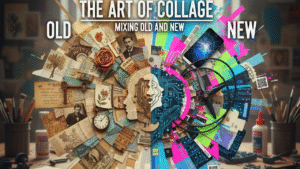
Collage occupies a unique position in the visual arts. It thrives on assembly rather than invention from scratch. Artists gather fragments, whether physical or digital, and arrange them into compositions that speak across time. The practice gains much of its strength from the deliberate mixing of old and new. Yellowed newspaper clippings sit beside crisp… Read More
How to Collect Affordable Art Without Being an Expert
Art collecting often carries an air of exclusivity, as if only wealthy connoisseurs with advanced degrees can participate meaningfully. This perception keeps many curious people on the sidelines, assuming the world of original paintings, drawings, and prints lies beyond their reach or understanding. In reality, building a personal collection of affordable art requires neither vast… Read More
Art and Technology: Exploring Digital Installations
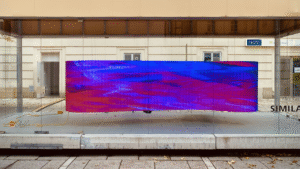
The intersection of art and technology has transformed creative expression in profound ways. Digital installations stand at the forefront of this evolution. These works merge artistic vision with electronic systems, software, sensors, and interactive elements to create immersive environments. Unlike traditional paintings or sculptures viewed from a distance, digital installations invite participation. Viewers often influence… Read More
Virtual Museums: The Best Online Art Exhibits You Can Visit
In an era where technology bridges distances and opens doors to cultural treasures worldwide, virtual museums have transformed how we experience art, history, and human creativity. These digital platforms allow anyone with an internet connection to wander through renowned galleries, zoom into masterpieces, and explore exhibits without leaving home. Whether you seek Renaissance paintings, ancient… Read More
How Artists Use Negative Space to Tell a Story
Negative space, often called white space or the empty area surrounding the main subject, serves as one of the most powerful tools in an artist’s arsenal. Far from being mere absence, negative space actively shapes perception and narrative. Artists harness it to direct attention, evoke emotion, imply movement, and convey meaning that words alone cannot… Read More
Why Doodles Are More Than Just Scribbles
Doodles often appear as idle marks on the margins of notebooks, meeting agendas, or napkins during phone calls. At first glance, they seem like nothing more than absentminded scratches, the byproduct of boredom or distraction. Yet these simple drawings hold surprising depth. Far from being meaningless, doodles serve as windows into the human mind, tools… Read More
The Art of Album Covers: Music Meets Visual Design
Album covers serve as the visual gateway to the sonic world within. They transform music from an auditory experience into a tangible cultural artifact. In an era when streaming services dominate listening habits, the album cover remains a powerful emblem of artistic intent. It fuses the auditory imagination of musicians with the interpretive vision of… Read More