

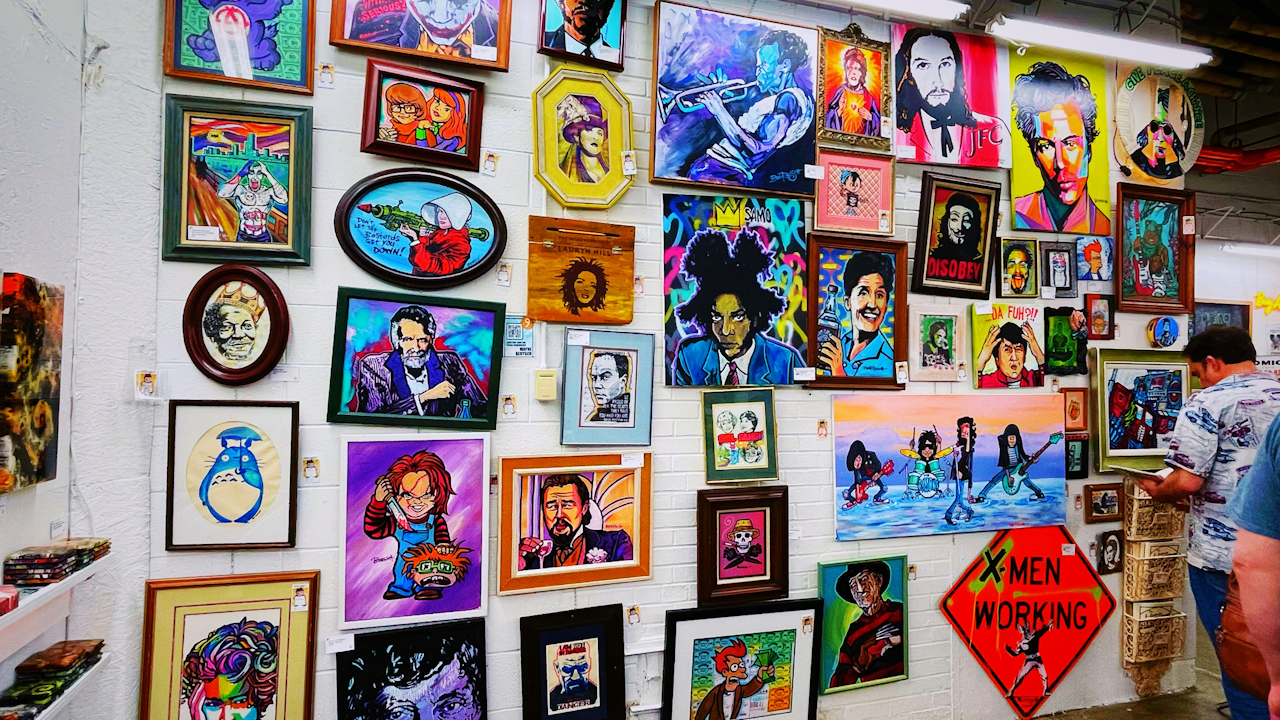
Art collecting often carries an air of exclusivity, as if only wealthy connoisseurs with advanced degrees can participate meaningfully. This perception keeps many curious people on the sidelines, assuming the world of original paintings, drawings, and prints lies beyond their reach or understanding. In reality, building a personal collection of affordable art requires neither vast sums of money nor specialized expertise. It starts with curiosity, a willingness to learn through doing, and a focus on pieces that genuinely resonate with you. Whether your budget allows for occasional purchases of fifty dollars or a few hundred dollars per piece, you can create a meaningful collection that enhances your daily life and reflects your evolving tastes.
The key lies in redefining what collecting means. It does not require chasing blue-chip names or predicting future market value. Instead, it centers on surrounding yourself with objects that spark joy, prompt reflection, or simply make a room feel more alive. Many seasoned collectors began exactly where you might be now: unsure of terms like provenance or medium, yet drawn to certain colors, subjects, or moods. By approaching the process with patience and practical strategies, anyone can participate without feeling intimidated.
Shifting Your Mindset Toward Personal Enjoyment
Successful affordable collecting begins with an internal shift. Forget the idea that art must appreciate in financial value or impress visitors. Those pressures often lead beginners to second-guess their instincts or overspend on trendy pieces they later regret. Focus instead on emotional connection. Walk into a space and notice which works make you pause, smile, or feel curious. That reaction serves as your most reliable guide.
Many new collectors discover that their early purchases, chosen purely for pleasure, end up holding the most sentimental value years later. A small landscape bought on a whim during a weekend trip might remind you of a particular season in your life long after market trends shift. This personal anchor protects you from the common trap of buying what you think you should like rather than what you actually do.
Budget plays a central role in maintaining this mindset. Decide in advance what feels comfortable. Some people set aside a small monthly amount specifically for art, similar to a subscription or hobby fund. Others save for occasional larger purchases. Treat the money as an investment in your environment and well-being rather than a financial asset. When you remove the expectation of resale profit, decision-making becomes lighter and more enjoyable.
Building Knowledge Through Everyday Exposure
You do not need to enroll in art history courses or memorize movements to collect effectively. Knowledge accumulates naturally through repeated exposure and simple research habits. Start by visiting local museums on free admission days. Spend time in galleries without any pressure to buy. Notice what draws your attention across different periods and styles. Over several visits, patterns in your preferences will emerge.
Online resources offer another accessible path. Museum websites often provide free articles and videos explaining techniques and contexts. YouTube channels dedicated to art education break down concepts like composition, color theory, and artist biographies in approachable ways. Follow a handful of living artists on social media platforms. Many share their process, studio life, and thoughts behind specific works. This behind-the-scenes view humanizes the work and helps you understand why certain pieces command their prices.
Reading does not have to involve dense textbooks. Look for well-written guides aimed at general audiences or exhibition catalogs from smaller shows. Libraries frequently carry these materials. As you encounter unfamiliar terms, take a moment to look them up. Understanding the difference between an original painting, a limited-edition print, and a reproduction helps you make informed choices without needing expert-level vocabulary.
Discovering Affordable Sources Both Online and Offline
The internet has dramatically expanded access to original and limited-edition works at reasonable prices. Several platforms cater specifically to emerging and mid-career artists who price their pieces accessibly. Etsy features many independent artists selling original drawings, small paintings, and hand-pulled prints. Saatchi Art allows filtering by price, medium, and style, making it easy to browse within your budget. Other sites such as Singulart and Artsy include sections for works under a few hundred dollars, often with artist statements and background information included.
Social media provides direct connections. Search hashtags related to affordable art or emerging artists on Instagram. Many creators post available works and respond to direct messages. Purchasing straight from an artist often means better pricing since there is no gallery commission, and you gain the story behind the piece. Some artists even offer payment plans or smaller studies at lower prices.
Offline opportunities abound as well. University art departments regularly host student and faculty exhibitions where prices remain modest. Artist cooperatives and open studio events let you meet creators and see work in person. Local art fairs, even smaller ones, frequently include booths with original pieces in the low hundreds. Thrift stores, estate sales, and charity shops sometimes yield surprising finds, especially older prints or paintings that have been overlooked. Garage sales and community bulletin boards can reveal hidden gems from local makers.
Auctions represent another avenue, though they require caution for beginners. Local auction houses and online platforms host sales with lower estimates. Preview works in person when possible, and set a firm maximum bid beforehand. Photography and works on paper often appear at more accessible price points than large oil paintings.
Evaluating Pieces Without Formal Training
When standing in front of a potential purchase, trust your eyes first. Ask simple questions: Does the piece hold my attention for more than a few seconds? Do the colors or subject matter feel harmonious or intriguing? Is the craftsmanship solid for the price? These intuitive responses matter more than technical analysis at the beginning stages.
Examine the work closely for quality indicators. In paintings, look for even application of paint and secure stretching on the canvas. Drawings should show confident mark-making rather than hesitant lines. Prints benefit from clear registration and consistent inking. Condition matters too. Minor wear on older pieces can add character, but significant damage or fading affects both appearance and longevity.
Consider scale and context. A tiny drawing might suit a desk or hallway, while a larger work could anchor a living room wall. Think about how the piece will interact with your existing space and other belongings. Some collectors deliberately seek contrast, using bold contemporary work against traditional furnishings. Others prefer cohesion. There is no single correct approach.
Ask the seller or artist questions. Inquire about the materials used, the year created, and whether the work is unique or part of an edition. For prints, confirm the edition size and whether the artist signed and numbered the piece. These details help establish basic provenance without requiring deep expertise.
Researching Artists and Verifying Basic Authenticity
A few minutes of targeted research protects you from disappointment. Begin with the artist’s name. A quick search often reveals a website, social media presence, or exhibition history. Look for consistency in style and pricing across available works. Emerging artists typically price pieces in a similar range; sudden large jumps can signal either rapid career growth or potential issues.
Reverse image searches provide a useful check. Upload a photo of the work to see if identical or very similar pieces appear elsewhere online. This helps identify reproductions being sold as originals. For works claiming to be by known artists, exercise extra caution and consider seeking a second opinion from a local appraiser or gallery if the price feels significant relative to your budget.
Certificates of authenticity add reassurance when available, especially for limited editions or works by artists with established followings. However, many affordable pieces from living creators come with simple signed statements or gallery receipts instead. These documents, combined with direct purchase from the artist, usually suffice for pieces in the lower price ranges.
Developing a Practical Collecting Strategy
Approach collecting as an ongoing practice rather than a series of isolated purchases. Begin with one or two small works that you love. Live with them for several months before adding more. This slow pace prevents impulse decisions and allows your eye to develop. Over time, themes may emerge naturally. You might find yourself drawn to landscapes, portraits, abstract compositions, or works featuring particular colors or textures.
Diversify within your means. Mix original paintings with prints or photographs. Include both framed and unframed works. Consider three-dimensional pieces such as small sculptures or ceramics if they appeal to you. Variety keeps a collection dynamic and reflects a broader range of interests.
Track your acquisitions simply. A notebook or basic spreadsheet noting the artist, title if any, purchase price, date, and source helps you see patterns and remember details. This record becomes useful if you ever decide to sell, lend, or insure pieces later.
Caring for and Displaying Your Collection
Proper care ensures your pieces remain enjoyable for years. Keep works away from direct sunlight, which fades pigments over time. Avoid hanging in areas with extreme temperature fluctuations or high humidity. For works on paper, use acid-free materials when framing. Professional framing, while an added cost, protects the work and enhances presentation.
Display does not require a dedicated gallery wall. Integrate pieces throughout your home. A single strong work above a sofa or desk can transform the feel of a room. Group smaller works thoughtfully, perhaps by theme or color family. Rotate pieces seasonally if you have storage space. This keeps the collection fresh and prevents any single area from feeling static.
Insurance considerations grow with the collection. For modest beginnings, your existing homeowners or renters policy may provide basic coverage. As pieces increase in number or individual value, consult your insurer about adding a fine arts rider. Document each work with clear photographs and keep purchase receipts organized.
Avoiding Frequent Beginner Pitfalls
Several common missteps trip up new collectors. One frequent issue involves buying solely because a piece seems like a good deal without considering whether it truly appeals. Another involves chasing current trends that may feel dated within a few years. Both scenarios lead to purchases that lose their appeal quickly.
Overpaying relative to the market represents another risk. While you should never buy art you dislike simply because it appears inexpensive, comparing similar works across platforms helps establish reasonable price expectations. If a piece costs significantly more than comparable examples by the same artist, ask why.
Neglecting to verify the seller can lead to disappointment. Stick with established platforms, reputable galleries, or direct artist purchases when possible. When buying from individuals, request clear photos from multiple angles and ask detailed questions before committing.
Finally, avoid rushing into large or expensive commitments early on. Building confidence through smaller acquisitions prepares you for more significant decisions later. Many collectors maintain a mix of very affordable works and occasional higher-investment pieces as their experience grows.
Growing and Evolving Your Collection Over Time
As you gain confidence, your collection will naturally expand and shift. You may outgrow certain early pieces or find new directions that excite you more. Selling or trading works remains an option. Some platforms facilitate secondary market sales for emerging artists, and local galleries sometimes accept pieces on consignment.
Continue learning through exposure. Attend artist talks, studio visits, and small exhibitions whenever possible. These experiences deepen appreciation and often lead to discovering new creators whose work fits your budget and taste. Joining informal collector groups or online communities provides additional perspectives and support.
Consider supporting living artists directly when feasible. Many emerging creators rely on sales of smaller works to sustain their practice. Your purchase contributes to their ability to keep creating. This reciprocal relationship adds another layer of meaning to the collecting process.
Continuing Your Education and Finding Inspiration
Numerous resources support ongoing learning without requiring formal study. Podcasts focused on art and collecting offer conversations with artists, dealers, and fellow enthusiasts. Newsletters from museums and art organizations deliver curated highlights and exhibition announcements. Local art centers sometimes host workshops on topics such as framing or basic art handling.
Books remain valuable companions. Look for titles that survey contemporary art or provide practical advice for new collectors. Many include images that help train your eye even when you cannot view original works in person.
Travel, even locally, exposes you to different artistic communities. Road trips to nearby cities often reveal regional artists and galleries operating at more accessible price points than major metropolitan centers.
Final Thoughts on Beginning Your Journey
Collecting affordable art without expertise is fundamentally about curiosity and courage. You do not need permission from any authority figure or institution to begin. The first step involves simply paying attention to what moves you and taking small, considered actions to bring those works into your life.
Over months and years, your collection will tell a story about your interests, travels, relationships, and personal growth. Each piece carries memories of its discovery and the reasons it resonated at the time. This narrative quality distinguishes a personal collection from mere decoration.
Start today by setting aside a modest amount and exploring one new source, whether an online platform, a local event, or a museum visit. Notice what catches your eye. Ask questions. Trust your responses. The art world welcomes participants at every level of knowledge and budget. Your perspective as a newcomer brings fresh eyes and genuine enthusiasm that enrich the broader community.
With patience and persistence, you will build a collection that feels authentically yours. It will not require expert status, only an open mind and a willingness to engage with the visual world around you. The rewards extend far beyond the objects themselves, encompassing the pleasure of discovery, the satisfaction of supporting creativity, and the daily experience of living with art that reflects who you are.