

Wine tastings offer a wonderful opportunity to explore flavors, learn about winemaking, and enjoy the company of fellow enthusiasts. Whether you are visiting a winery, attending a formal event, or hosting one at home, approaching the experience with care can make all the difference. Many participants, especially beginners, unknowingly commit errors that diminish their enjoyment or disrupt the event for others. This article explores the most frequent mistakes and provides practical guidance to help you navigate wine tastings with confidence and appreciation.
Preparing Improperly Before the Tasting
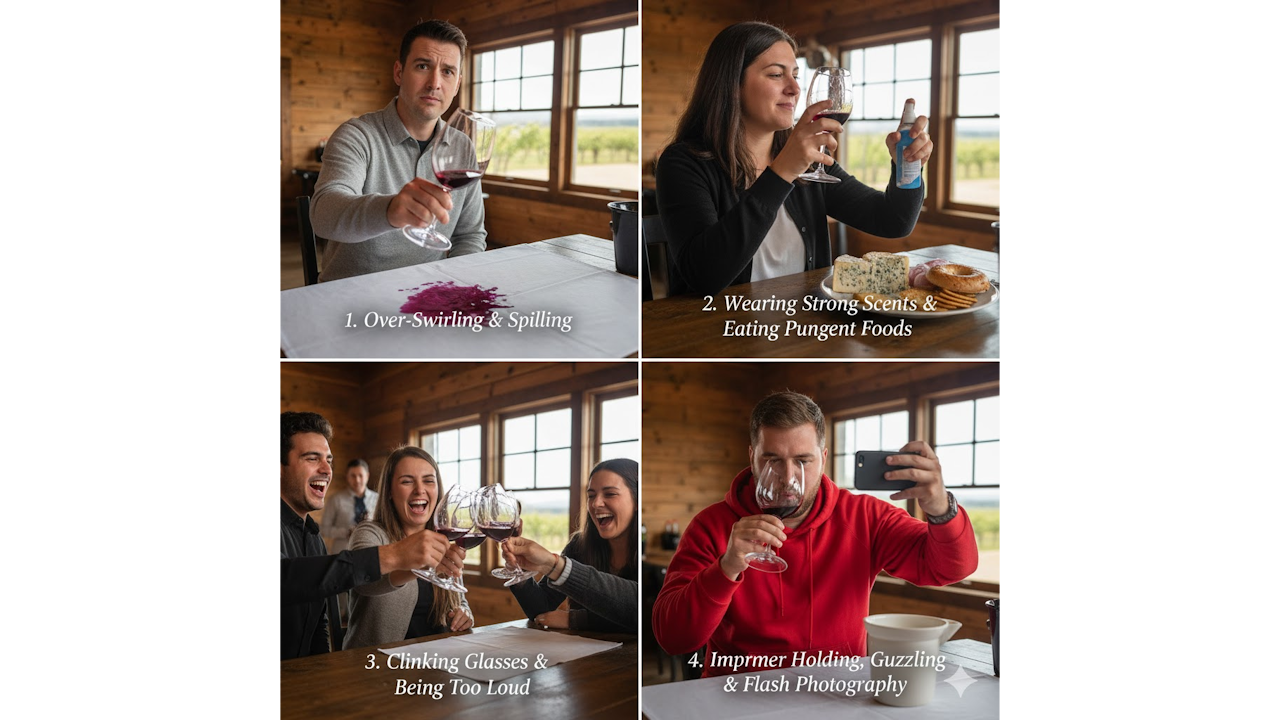
One of the most overlooked areas is preparation before arriving. Strong scents can ruin the sensory experience for everyone involved. Wearing perfume, cologne, scented deodorant, or even heavily fragranced lotion interferes with the delicate aromas of the wines. Wineries often remind guests of scent-free policies because the nose plays a central role in tasting. Opt for unscented products on tasting days to allow the wines to shine.
Oral hygiene also requires attention. Brushing your teeth right before a tasting is acceptable, but avoid heading straight from the bathroom to the first pour. Minty toothpaste or mouthwash leaves a lingering freshness that masks subtle wine notes. Eat a neutral snack afterward, such as plain bread or crackers, to reset your palate. Similarly, skip coffee or strongly flavored beverages immediately prior. These can coat the tongue and introduce bitterness that distorts early impressions.
Lipstick and other cosmetics present another common issue. Bold lip colors often transfer to glasses, creating smudges and potentially affecting the aroma in the bowl. Choose a neutral balm or skip makeup on the lips altogether for a cleaner experience.
Holding and Handling the Glass Incorrectly
Proper glass handling is basic etiquette that many overlook. Always hold the glass by the stem rather than the bowl. Gripping the bowl warms the wine with your hand, which can alter its temperature and release unwanted heat that changes the flavor profile. It also leaves fingerprints that obscure the visual inspection of color and clarity.
Pouring too much wine into the glass is another frequent error. Tastings typically involve small pours, often one to two ounces, to allow multiple samples without overconsumption. Filling the glass halfway or more limits swirling room and makes it harder to evaluate the wine thoughtfully. Stick to the suggested amounts to maintain focus and respect the pacing of the event.
Rushing the Sensory Evaluation
Many novices skip critical steps and drink too quickly. A proper tasting engages sight, smell, and taste in sequence. Begin by observing the wine’s color and clarity against a white background. Then swirl gently to release aromas, and take time to inhale deeply before sipping. Rushing past these stages means missing layers of complexity that define each wine.
Swirling technique itself can go wrong. Some beginners swirl vigorously right away, which can dissipate delicate initial aromas. Allow the wine to rest briefly in the glass first, then swirl in small circles on a flat surface. Over-swirling or splashing also risks spills, which are embarrassing and disruptive in crowded tasting rooms.
Drinking the entire pour without pausing is a mistake that prevents full appreciation. Sip small amounts, let the wine coat your palate, and note how flavors evolve. Take breaks between samples to avoid palate fatigue. This measured approach reveals more about balance, acidity, tannins, and finish.
Ignoring Palate Management and Order
Failing to cleanse the palate between wines leads to muddled impressions. Without neutralizers like water, bread, or unsalted crackers, residual flavors from one sample carry over and distort the next. Most professional tastings provide spit buckets and palate cleansers precisely for this reason. Use them liberally to stay sharp throughout the session.
Disregarding the recommended tasting order is another pitfall. Start with lighter wines, such as crisp whites or sparkling varieties, and progress to fuller-bodied reds and sweeter options. Reversing this sequence overwhelms the senses early and dulls appreciation for subtler wines later. Pay attention to the host’s guidance on sequence.
Temperature matters greatly. Serving wines too cold mutes aromas and flavors, while overly warm reds can taste overly alcoholic or flabby. If a wine feels off, politely ask if it can be adjusted, but avoid complaining loudly. Respect the conditions provided and note personal preferences for future reference.
Social and Behavioral Missteps
Treating a tasting like a casual bar visit undermines the educational aspect. Loud talking, disruptive laughter, or rowdy group behavior can distract staff and other guests. Maintain a considerate volume and allow space for everyone to access the tasting station. In busy venues, avoid hogging counter space or lingering too long at one spot.
Not tipping or showing appreciation is common but unfortunate. Staff often work hard to provide insightful commentary and personalized service. A gratuity, even modest, acknowledges their effort, especially in regions where it is not automatically included.
Harshly criticizing wines publicly or acting as an unsolicited expert can create awkwardness. Everyone has preferences, but expressing them diplomatically respects the winemaker’s craft. Phrases like “This is not to my taste” are preferable to blanket dismissals. Similarly, avoid asking if fruits were literally added to the wine. Winemaking relies on fermentation and aging, not additives in most quality examples.
Refusing certain wines outright without explanation limits learning. Even if a style is not your favorite, a small taste can broaden knowledge. Conversely, feeling pressured to finish every pour is unnecessary. Spitting is standard practice and encouraged to maintain clarity and sobriety. Use the provided bucket discreetly and without hesitation.
Overlooking Practical Details
Wearing inappropriate clothing causes unnecessary issues. Opt for comfortable shoes suitable for walking between stations or vineyards. Dark colors hide accidental spills better than light fabrics. Avoid dangling jewelry or sleeves that might knock over glasses.
Failing to ask questions stems from intimidation, but curiosity enhances the experience. No inquiry is too basic. Staff appreciate engaged guests and often share fascinating details about vineyards, vintages, or production methods. Staying silent means missing opportunities to deepen understanding.
Overindulging without pacing leads to impaired judgment and diminished recall. Track your intake, stay hydrated with water, and know your limits. Professional tastings may involve many samples, so spitting and moderation preserve both enjoyment and safety, especially if driving afterward.
Technical Myths and Overthinking
Some participants fixate on outdated or irrelevant details. Discussing “wine legs” extensively, for instance, reveals little about quality. Legs primarily indicate alcohol and sugar content rather than superiority. Focus instead on aroma, taste balance, and personal reaction.
Using the wrong glass type when choices are available affects aeration and concentration of aromas. Larger bowls suit reds, while smaller ones preserve freshness in whites. If options exist, follow recommendations or ask for clarification.
Eating strong foods during active tasting interferes with evaluation. Save substantial meals for afterward. Light, neutral snacks serve only as palate resets.
Mindset and Long-Term Improvement
Approaching tastings with preconceived notions or excessive self-consciousness hinders growth. Wine appreciation develops through repeated exposure and openness. Record brief notes on colors, aromas, flavors, and preferences to build a personal reference over time. This habit turns isolated events into progressive learning experiences.
Not revisiting favorite wines at the end of a flight misses a chance to confirm impressions once the palate has adapted. Many hosts encourage circling back for comparison.
Finally, haggling over prices or treating the tasting room like a negotiation floor is inappropriate. Listed prices reflect set values, similar to retail settings. Focus on enjoyment rather than bargaining.
Conclusion
Avoiding these common mistakes transforms wine tastings from potentially awkward or overwhelming occasions into rewarding sensory journeys. Preparation, mindful technique, respect for others, and an open attitude create space for genuine discovery. Over time, these practices build confidence and deeper appreciation for the artistry behind every bottle. Whether you are a novice or seasoned participant, prioritizing thoughtful engagement ensures memorable experiences and continued enthusiasm for the world of wine. By focusing on the fundamentals and learning from each session, you elevate not only your own enjoyment but also contribute positively to the shared atmosphere at every tasting.