

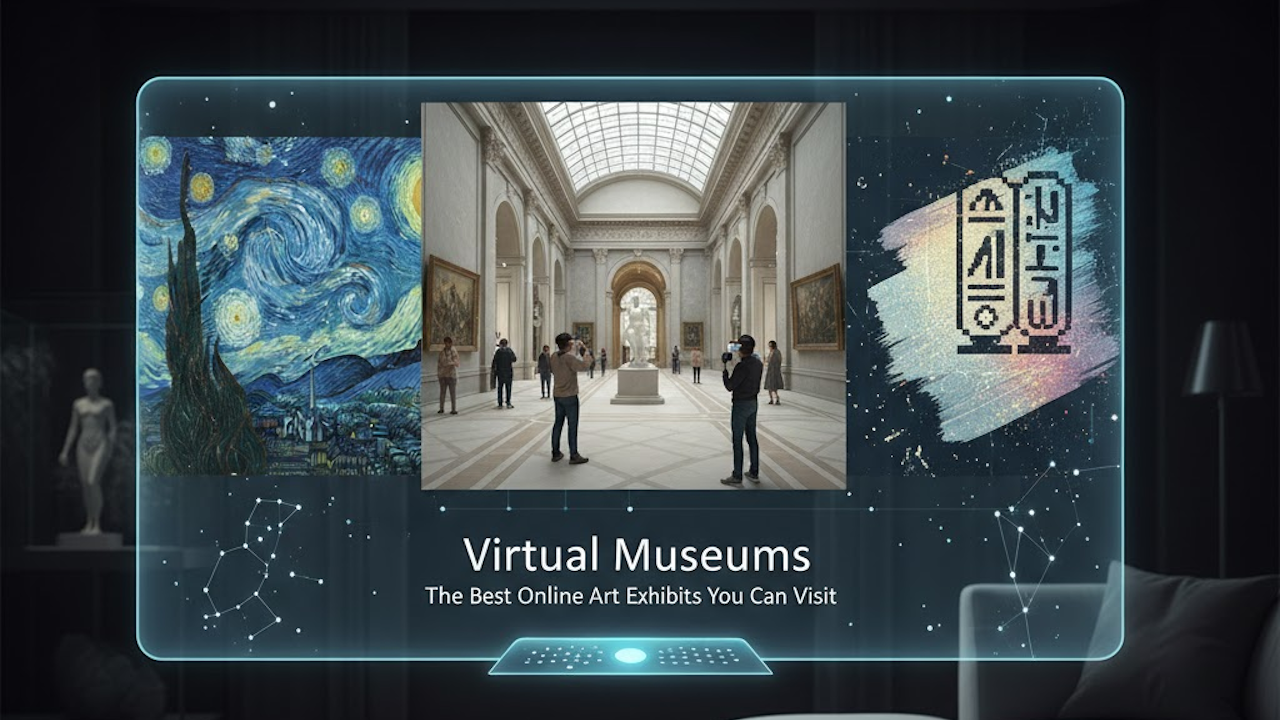
In an era where technology bridges distances and opens doors to cultural treasures worldwide, virtual museums have transformed how we experience art, history, and human creativity. These digital platforms allow anyone with an internet connection to wander through renowned galleries, zoom into masterpieces, and explore exhibits without leaving home. Whether you seek Renaissance paintings, ancient artifacts, or contemporary installations, online art exhibits offer immersive, educational, and often free access to collections that rival in-person visits.
This comprehensive guide highlights the best virtual museums and online art exhibits available. From global hubs like Google Arts and Culture to specific institutions such as the Louvre and the British Museum, these resources deliver high-resolution imagery, 360-degree tours, curated stories, and interactive features. They democratize access to culture, making it possible for students, travelers, art enthusiasts, and those with mobility challenges to engage deeply with the world’s artistic heritage.
Google Arts and Culture: Your Gateway to Global Museums
One of the most powerful starting points for virtual museum exploration is Google Arts and Culture. This platform partners with thousands of museums and cultural institutions worldwide, providing ultra-high-resolution images, virtual tours, stories, and experiments that bring art to life.
Users can search by artist, medium, color, or time period, or dive into themed collections. Features include Street View integrations for museum interiors, zoomable details that reveal brushstrokes invisible to the naked eye, and interactive tools like Art Selfie, which matches your photo to famous portraits. The platform hosts exhibits from the National Gallery of Art in Washington, D.C., the Musee d’Orsay in Paris, the Van Gogh Museum in Amsterdam, the Uffizi Gallery in Florence, and many more.
For example, explore the Orsay’s Impressionist masterpieces or the Uffizi’s Renaissance treasures through guided narratives and 360-degree views. Google Arts and Culture also offers 3D explorations and machine-learning connections that link artworks across cultures and eras, turning passive viewing into an active discovery process. It serves as an ideal entry point for beginners and a deep well for seasoned enthusiasts.
The Louvre Museum: Parisian Masterpieces Online
The Louvre in Paris, home to over 500,000 works including the Mona Lisa and the Venus de Milo, offers several virtual tours focused on themed exhibits. While not a complete floor-by-floor walkthrough, these curated experiences highlight key aspects of the collection.
Visitors can launch tours such as “Traveling Materials and Objects,” which traces ancient trade routes through items like ivory and lapis lazuli, or “Power Plays,” examining art’s relationship to political authority. Other options explore the body in movement or founding myths. The museum’s online collection database allows searching and zooming into hundreds of thousands of artifacts with impressive clarity.
These virtual visits emphasize the palace architecture and gallery views, providing context that enhances appreciation of the artworks. Supplementary resources include podcasts, kids’ activities, and a dedicated VR experience for the Mona Lisa that delves into its creation and history.
The British Museum: World History in Your Hands
London’s British Museum stands out for its vast collection spanning two million years of human history. Virtual offerings through Google Arts and Culture and its own platforms include Street View tours of the Great Court and galleries housing the Rosetta Stone, Parthenon sculptures, Egyptian mummies, and Aztec artifacts.
The interactive “Museum of the World” experience presents hundreds of objects with images, texts, and audio. Online exhibits cover topics like Buddhist art in Myanmar, Egyptian faith after the pharaohs, and Celtic life in Iron Age Britain. High-resolution photography and guided navigation make it easy to explore without crowds, offering a peaceful alternative to the bustling physical museum.
Vatican Museums and the Sistine Chapel
The Vatican Museums provide exceptional 360-degree virtual tours of iconic spaces, including the Sistine Chapel with Michelangelo’s ceiling frescoes, Raphael’s Rooms, the Pio Clementino Museum, and the New Wing.
These tours deliver high-quality imagery that allows users to appreciate details often obscured by visitors in real life. The experience captures the grandeur of the architecture and the profound artistic achievements housed within, from ancient sculptures to Renaissance masterpieces. It is particularly valuable for studying religious art and history in an intimate setting.
The Metropolitan Museum of Art (The Met) and Other New York Gems
New York’s Metropolitan Museum of Art offers extensive online resources, including high-resolution images of its two million works and virtual experiences that showcase highlights from its encyclopedic collection. The museum’s 360 Project and other digital initiatives provide immersive views.
Nearby, the Guggenheim Museum features Street View tours of its iconic spiral ramp, while the MoMA provides virtual views, artist conversations, and archival exhibitions. These platforms emphasize modern and contemporary art, with options to explore specific shows or permanent collections through detailed photography and educational content.
The Hermitage Museum: A Cinematic Journey
Russia’s State Hermitage Museum, the second-largest art museum in the world, offers a remarkable five-hour one-shot video tour filmed on an iPhone. This cinematic walkthrough, accompanied by music and performances, guides viewers through opulent rooms filled with treasures from various eras and cultures.
Street View options and high-resolution images complement the video, allowing deeper exploration of paintings by Rembrandt, Leonardo da Vinci, and others. The Hermitage’s digital presence highlights its scale and diversity, from Egyptian antiquities to European masterpieces.
Additional Standout Virtual Experiences
- Uffizi Gallery, Florence: Virtual tours and 360-degree views showcase Botticelli, Michelangelo, Raphael, and Leonardo da Vinci works in the historic building. New halls dedicated to Venetian painting are accessible online.
- Smithsonian Institutions: The Smithsonian National Museum of Natural History and other branches provide panoramic tours, online exhibitions, and open-access collections. These cover American art, natural history, African American contributions, and more, with rich educational materials.
- Rijksmuseum, Amsterdam: Street View and detailed collections feature Dutch Golden Age art, including works by Vermeer and Rembrandt.
- National Gallery of Art, Washington, D.C.: Extensive Google Arts and Culture partnerships offer guided tours, games, and over 60,000 works spanning Western art history.
- Specialized Museums: Explore the Museum of Broken Relationships for poignant personal stories, the J. Paul Getty Museum for classical and European art with outdoor views, or the National Palace Museum in Taipei for ancient Chinese artifacts.
Other notable mentions include the Tate Modern, Pergamonmuseum, Thyssen-Bornemisza Museum, Wallace Collection, Museu Picasso, and various smaller institutions with 3D or Matterport tours.
Benefits of Virtual Museum Visits
Virtual museums extend far beyond convenience. They eliminate barriers such as travel costs, physical limitations, long lines, and time constraints. High-resolution imaging often reveals finer details than an in-person glance allows. Interactive elements, audio guides, and curated stories deepen understanding and foster connections across time and geography.
These platforms support education by providing resources for teachers and students, promote accessibility, and preserve cultural heritage through digitization. During periods when physical travel is challenging, they sustain global cultural engagement and inspire future visits.
Tips for Maximizing Your Virtual Experience
To get the most from these exhibits, use a large screen or tablet for better immersion. Enable full-screen mode and headphones for audio components. Take notes or create personal collections on platforms that allow it. Combine visits with background reading or related documentaries. Schedule dedicated time, just as you would for a physical museum, to avoid rushing.
Experiment with different devices or even virtual reality headsets where supported for heightened presence. Bookmark favorite pieces and revisit them to notice new aspects over time.
Conclusion: A World of Art at Your Fingertips
Virtual museums represent a remarkable evolution in how humanity shares and preserves its artistic legacy. From the intimate details of the Mona Lisa to the sweeping narratives of world civilizations at the British Museum, these online exhibits invite endless exploration and discovery. They remind us that art transcends physical boundaries, connecting people across continents and generations.
Start your journey today on Google Arts and Culture or a favorite museum site. Whether you spend an hour or an afternoon, you will emerge enriched, inspired, and perhaps motivated to plan an in-person trip one day. The world’s greatest art exhibits are waiting, open 24 hours a day, with no admission fee and no crowds, just pure cultural immersion.