

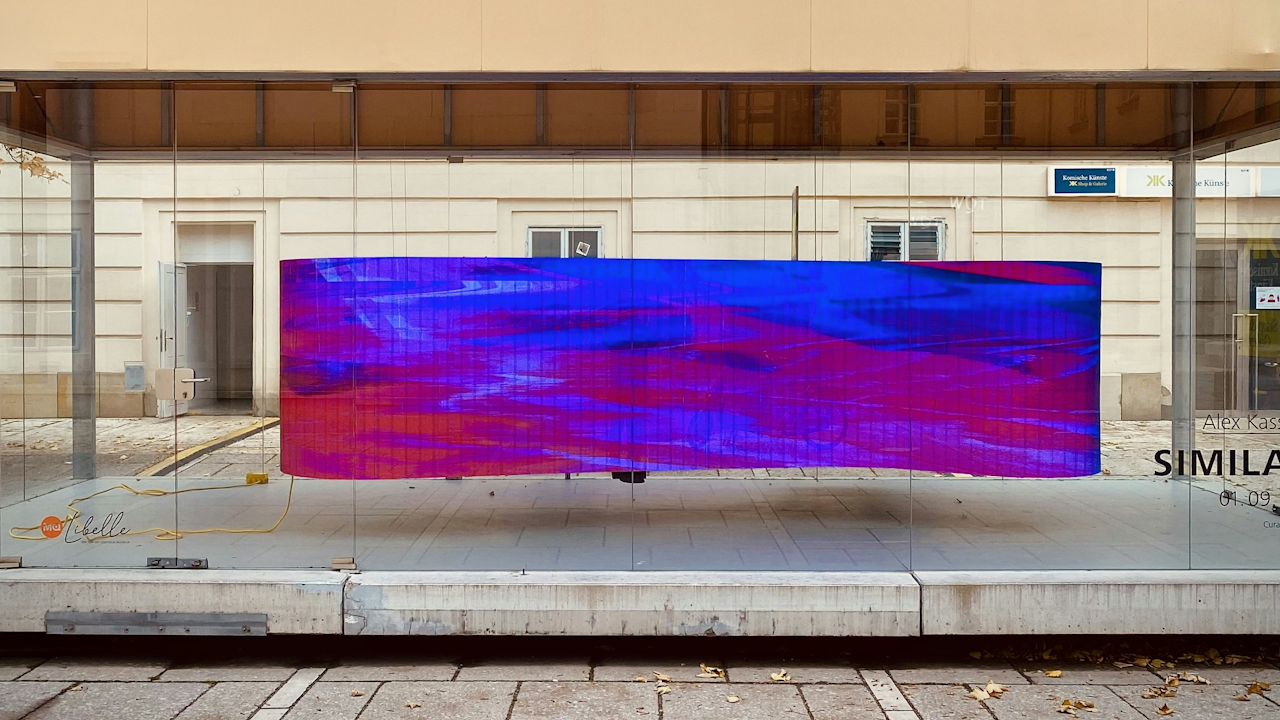
The intersection of art and technology has transformed creative expression in profound ways. Digital installations stand at the forefront of this evolution. These works merge artistic vision with electronic systems, software, sensors, and interactive elements to create immersive environments. Unlike traditional paintings or sculptures viewed from a distance, digital installations invite participation. Viewers often influence the artwork in real time, blurring the lines between creator and audience.
This fusion reflects broader shifts in contemporary culture. As computers, the internet, and advanced electronics became widespread, artists began incorporating them into their practice. Digital installations explore themes of perception, identity, connectivity, and the human condition through technological lenses. They challenge conventional notions of what art is and how it should be experienced.
Historical Roots of Digital Art and Installations
The relationship between art and technology dates back decades. In the 1960s, collaborations between artists and engineers laid important groundwork. The group Experiments in Art and Technology (EAT), founded by artists such as Robert Rauschenberg and engineers like Billy Kluver, promoted partnerships that integrated electronic systems into creative works. These early efforts featured circuitry, video projections, and sound elements, setting the stage for more advanced digital practices even if the technology of the era was relatively basic.
Video art emerged as a key precursor. Artists like Nam June Paik pioneered the use of televisions and electronic signals to create sculptural and installation-based works. Paik’s experiments with manipulated video feeds turned screens into dynamic artistic components. In the following decades, the rise of computers expanded possibilities further. Algorithmic drawings plotted by machines and early computer-generated films demonstrated how code could become a medium for artistic output.
By the 1990s, the internet era introduced net art and online interactive projects. Artists could now reach global audiences and incorporate real-time data or user inputs. This period saw a shift toward new media art, encompassing video installations, multimedia performances, and computer-based environments. The transition from analog to digital tools allowed for greater experimentation with form, scale, and interactivity.
Installation art itself evolved during this time. Artists moved away from static objects toward environments that envelop the viewer. When combined with digital technologies, these spaces became responsive ecosystems capable of changing based on presence, movement, or other inputs.
Pioneering Artists and Their Contributions
Several figures have defined the field of digital installations. Rafael Lozano-Hemmer creates large-scale interactive works that often involve biometric data or public participation. His “Pulse Room,” for instance, uses heart rate sensors to control lighting patterns, turning visitors’ vital signs into flickering bulbs that fill the space. This approach highlights connections between technology, the body, and collective experience.
TeamLab, a Japanese interdisciplinary collective, produces expansive immersive installations. Works like “Flowers and People – Dark” generate imagery in real time, responding to viewer movements. Flowers bloom or scatter based on interactions, creating ever-evolving landscapes that blend digital projection with natural motifs. Their projects often occupy entire rooms or buildings, encouraging exploration and collaboration among participants.
Other notable contributors include Jen Lewin, whose “The Pool” features illuminated circular pads that react to footsteps with changing colors and patterns. Chris Milk’s “The Treachery of Sanctuary” uses shadow play on large screens to explore themes of transformation and flight. These examples illustrate how digital installations turn passive observation into active engagement.
Olafur Eliasson and Yayoi Kusama have also influenced the immersive tradition, though their works sometimes incorporate analog elements alongside technological ones. Kusama’s Infinity Rooms use mirrors and lights to suggest boundless space, a concept amplified in digital contexts. Artists like Refik Anadol leverage machine learning to process vast datasets into mesmerizing visual environments.
Characteristics and Technologies in Digital Installations
Digital installations rely on a range of tools and techniques. Projection mapping allows artists to transform surfaces into dynamic canvases. Sensors detect motion, touch, or sound, triggering changes in visuals, audio, or lighting. Software platforms enable real-time generation of content, while augmented reality (AR) and virtual reality (VR) extend experiences beyond physical spaces.
Interactivity takes many forms. Some works respond to individual actions, such as touch-sensitive elements or gesture recognition. Others incorporate collective input, where multiple participants shape the outcome together. Generative algorithms produce unique variations each time, ensuring no two experiences are identical.
Sound design plays a crucial role. Spatial audio, synthesized music, or field recordings enhance immersion. Lighting systems, including LEDs and programmable fixtures, create atmospheric effects synchronized with visuals. In advanced setups, robotics or kinetic elements add physical movement to the digital realm.
These technologies allow artists to address complex themes. Installations might visualize climate data, explore virtual identities, or comment on surveillance through data-driven displays. The medium supports scalability, from intimate gallery pieces to massive public interventions.
Impact on Audiences and Cultural Landscapes
Digital installations democratize art in meaningful ways. They attract diverse audiences, including those less familiar with traditional museum settings. Interactive elements make experiences memorable and shareable, often amplified through social media. Visitors become co-creators, fostering personal connections to the work.
On a societal level, these artworks prompt reflection on technology’s role in daily life. They question boundaries between physical and virtual realities, privacy in data-rich environments, and the nature of human connection in digital times. By making abstract concepts tangible, installations bridge gaps between art, science, and philosophy.
Museums and cultural institutions have adapted accordingly. Dedicated digital art venues and immersive exhibitions have proliferated. Events featuring projection mapping or VR experiences draw large crowds and expand educational outreach. This shift encourages new forms of curation and conservation, as digital works require ongoing technical maintenance.
Education benefits too. Students can engage with art history through interactive reconstructions or experiment with their own digital creations using accessible tools.
Challenges and Criticisms
Despite their appeal, digital installations face obstacles. Technical failures can disrupt experiences, requiring reliable hardware and skilled support. High production costs limit accessibility for some artists. Questions of longevity arise because software and formats become obsolete over time.
Critics argue that spectacle sometimes overshadows substance. Flashy effects might prioritize entertainment over deeper conceptual inquiry. There are concerns about over-reliance on technology at the expense of traditional skills or the risk of works becoming dated as gadgets evolve.
Intellectual property and authorship issues emerge in collaborative or generative projects. Who owns an artwork shaped by algorithms or audience inputs? Environmental impacts from energy-intensive projections and electronics also warrant consideration.
Future Directions and Emerging Trends
Looking ahead, artificial intelligence promises to deepen interactivity. AI can generate personalized content or learn from viewer behaviors to refine experiences dynamically. Integration of VR and AR will allow hybrid physical-digital realms, where participants navigate blended spaces.
Blockchain and NFTs have influenced digital art markets, though installations often prioritize experiential value over ownership. Advances in haptic feedback, scent generation, and brain-computer interfaces could add new sensory layers.
Sustainability will likely gain prominence. Artists may incorporate eco-friendly materials or use installations to highlight environmental data. Global connectivity could enable remote participation in shared virtual installations.
Cross-disciplinary collaborations will continue to thrive, involving programmers, scientists, and engineers alongside artists. The field may expand into public architecture, education, and therapeutic applications.
Conclusion
Digital installations represent a vibrant chapter in the ongoing dialogue between art and technology. They expand creative possibilities, redefine viewer engagement, and reflect the complexities of modern existence. From early experiments with electronics to today’s immersive, responsive environments, this art form continues to evolve.
As technology advances, so too will artistic innovation. Digital installations do not merely showcase tools; they provoke thought, evoke emotion, and invite us to reconsider our place in an increasingly interconnected world. By embracing these works, we participate in a collective exploration of what it means to create, perceive, and connect in the digital age. Their legacy lies not just in pixels and projections but in the human experiences they foster and the questions they inspire.