

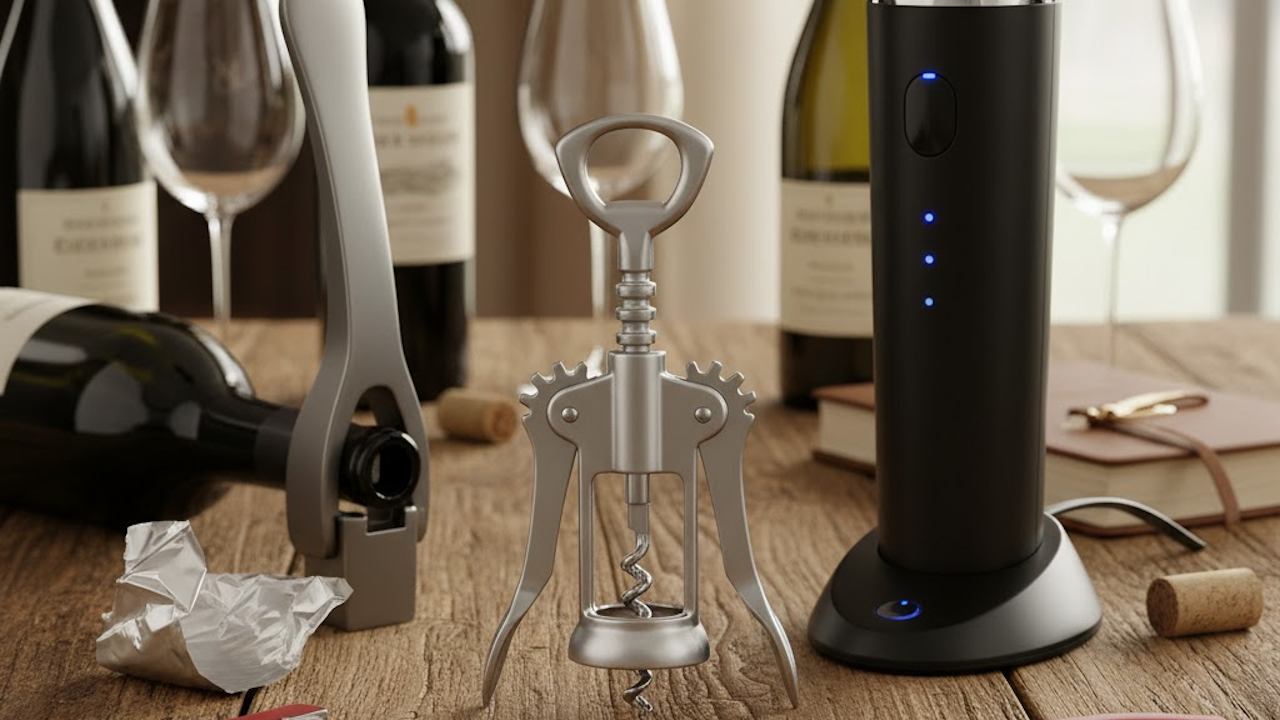
Selecting the perfect wine opener might seem simple at first glance, but the decision involves understanding your personal needs, the types of wine you enjoy, and the practical aspects of each tool. A good wine opener can transform the ritual of opening a bottle from a frustrating struggle into a smooth and enjoyable experience. Whether you are a casual wine drinker, a frequent entertainer, or a serious collector, choosing the right opener ensures you preserve the wine’s quality and enhance your overall appreciation of the beverage. This comprehensive guide explores the various types of wine openers available, key factors to consider, and practical advice to help you make an informed choice.
Understanding the Importance of a Quality Wine Opener
Wine openers, also known as corkscrews, serve a straightforward purpose: removing the cork from a wine bottle without damaging it or introducing cork particles into the wine. However, not all openers perform equally well. A poor choice can lead to broken corks, frustration during gatherings, or even injury from awkward handling.
The right opener matches your lifestyle. For someone who opens just a few bottles a month at home, a basic model suffices. For sommeliers or restaurant professionals who open dozens daily, durability and speed matter most. Beginners benefit from user-friendly designs that minimize errors, while experienced users might prefer tools that offer precision and control.
Beyond functionality, consider how the opener fits into your kitchen or dining setup. Some models double as conversation pieces with elegant designs, while others prioritize portability for picnics or travel. Investing in a reliable opener also means fewer wasted bottles and more consistent enjoyment of your favorite vintages.
Common Types of Wine Openers
Several distinct categories of wine openers exist, each with unique mechanisms, advantages, and limitations. Familiarizing yourself with these options forms the foundation for making the right selection.
1. Traditional Waiter’s Corkscrew (Waiter’s Friend)
The waiter’s corkscrew stands as one of the most popular and versatile choices. It features a simple spiral worm, a fulcrum lever, and often a small knife blade for cutting foil. Professional servers favor this style because of its compact size and efficiency.
Pros:
- Compact and easy to carry in a pocket or apron.
- Allows precise control over the extraction process.
- Affordable, with quality models available at various price points.
- The lever provides mechanical advantage for removing stubborn corks.
Cons:
- Requires some practice to master the technique of twisting and levering.
- Less forgiving for users with limited hand strength or coordination.
- Can sometimes damage older or fragile corks if not used carefully.
This type suits intermediate users who value portability and classic style. Many high-end versions use durable materials like stainless steel and wood handles for added comfort.
2. Wing Corkscrew (Butterfly or Winged Opener)
The wing corkscrew features two lever arms that rise as you twist the worm into the cork. Once fully inserted, pressing down on the wings extracts the cork smoothly.
Pros:
- Very easy to use, even for beginners.
- Provides good leverage without much technique required.
- Often includes a built-in foil cutter.
- Stable and secure grip on the bottle.
Cons:
- Bulkier than a waiter’s friend, making it less portable.
- Can feel clunky in smaller hands.
- The wings may require more space during operation.
This design works particularly well for home use where storage space is not an issue and ease remains the top priority. Families or occasional drinkers often prefer it for its straightforward operation.
3. Lever or Rabbit-Style Corkscrews
Lever corkscrews, sometimes called rabbit openers, use a hinged mechanism that clamps onto the bottle neck. You pull a lever to drive the worm in and another motion to pull the cork out. These tools employ advanced leverage principles for effortless removal.
Pros:
- Extremely easy and fast, often requiring minimal effort.
- Ideal for people with arthritis or reduced grip strength.
- Consistent performance on various cork types.
- Many models look modern and stylish on a countertop.
Cons:
- Larger and heavier, reducing portability.
- More expensive than basic models.
- Mechanical parts can wear out over time if not maintained properly.
- Overly forceful use might occasionally crumble synthetic corks.
Serious enthusiasts or those hosting frequent tastings appreciate these for their reliability and showmanship.
4. Electric Wine Openers
Battery-powered or rechargeable electric openers automate the entire process. You place the device on top of the bottle, press a button, and it handles the twisting and pulling automatically.
Pros:
- Effortless operation suitable for anyone.
- Fast extraction, perfect for busy events.
- Many include foil cutters and charging bases.
- Modern designs with LED indicators.
Cons:
- Dependent on battery life, which can fail at inconvenient times.
- Higher initial cost.
- Less precise control compared to manual options.
- Bulkier for travel and requires charging.
Electric models appeal to tech-savvy users or those who prioritize convenience above all else. They shine in settings where multiple bottles need opening quickly.
5. Screw Pull or Continuous Twist Openers
These resemble oversized screws with a handle and often come with a stand or holder. You twist continuously until the cork emerges.
Pros:
- Simple mechanics with few moving parts.
- Gentle on corks, reducing breakage risk.
- Affordable and durable.
Cons:
- Can require significant wrist strength for longer corks.
- Slower than lever styles for some users.
- Less common in professional settings.
This category suits those seeking a no-frills, reliable tool without complex levers.
6. Ah-So or Twin-Prong Cork Puller
The Ah-So uses two thin metal prongs that slide down alongside the cork. You then twist and pull to extract it without piercing the cork.
Pros:
- Excellent for fragile or old corks that might crumble with traditional worms.
- Does not damage the cork, preserving it for collectors.
- Compact design.
Cons:
- Requires practice and skill to use effectively.
- Not suitable for very tight or synthetic corks.
- Slower process compared to other methods.
Wine collectors or those dealing with aged bottles value this specialized tool.
Key Factors to Consider When Choosing a Wine Opener
With the main types understood, narrow your selection by evaluating several important criteria.
Ease of Use and User Skill Level
Beginners should lean toward wing or electric models that minimize technique. Experienced users can handle the precision of a waiter’s friend. Test models in person if possible to gauge comfort.
Durability and Build Quality
Look for stainless steel components that resist rust and wear. High-quality openers often feature reinforced hinges and solid construction. Read reviews focusing on longevity, as cheap models tend to bend or break after limited use.
Portability
Frequent travelers or picnic enthusiasts need compact options like the waiter’s corkscrew. Bulkier lever or electric models suit stationary home use.
Price Range
Basic functional openers start under ten dollars, while premium or electric versions can exceed fifty or even one hundred dollars. Balance cost with expected frequency of use. A mid-range model often provides the best value for most people.
Cork Compatibility
Consider the wines you drink. Natural corks vary in length and density, while screw caps and synthetic corks require different approaches. Versatile openers handle multiple types effectively. For very old or delicate corks, prioritize the Ah-So.
Aesthetics and Additional Features
Some openers serve as decorative pieces with wooden handles, engraved designs, or sleek metallic finishes. Extra features like integrated foil cutters, bottle stoppers, or stands add convenience. Choose designs that match your kitchen decor or personal style.
Maintenance Requirements
Manual openers need occasional cleaning and lubrication of moving parts. Electric models require battery care and charging. Select options that align with your willingness to perform routine upkeep.
Safety Considerations
Sharp points on worms or blades pose risks, especially around children. Opt for models with protective covers or smooth operation to reduce accidents. Proper technique prevents slips that could cause injury.
Practical Tips for Making Your Decision
Start by assessing how often you open wine bottles and in what settings. Casual drinkers benefit from simplicity, while frequent users invest in speed and durability.
Visit specialty stores to handle different models firsthand. Many retailers allow testing, helping you feel the weight, grip, and mechanism.
Read user reviews carefully, paying attention to comments about cork breakage, ease with different bottle shapes, and long-term reliability. Look for patterns in feedback rather than isolated complaints.
Consider buying more than one type if your needs vary. For example, keep a portable waiter’s friend for travel and a lever model for home entertaining.
Think about the full wine experience. The best opener complements other tools like decanters, aerators, or vacuum preservers in your collection.
Recommended Approaches for Different Users
For Beginners: Choose an affordable wing corkscrew. Its forgiving design builds confidence quickly.
For Home Entertainers: Invest in a quality lever or rabbit-style opener. The smooth performance impresses guests and handles volume efficiently.
For Professionals: A sturdy waiter’s corkscrew remains the gold standard. Practice enhances speed and elegance.
For Collectors: Add an Ah-So to your toolkit for handling precious aged bottles carefully.
For Convenience Seekers: An electric opener simplifies the process, especially for those with mobility concerns.
For Budget-Conscious Buyers: Start with a basic waiter’s friend from a reputable brand. Many perform surprisingly well without high costs.
Caring for Your Wine Opener
Proper maintenance extends the life of any opener. Clean it after each use with warm soapy water, avoiding harsh abrasives that could scratch surfaces. Dry thoroughly to prevent rust. For models with moving parts, apply a small amount of food-safe lubricant periodically.
Store openers in a dedicated drawer or holder to protect the worm and levers from damage. Electric versions need regular charging and battery replacement according to manufacturer guidelines.
Periodically inspect for wear, especially on the worm spiral, which can dull or bend over time. Replace worn parts or the entire tool when performance declines.
Conclusion
Choosing the right wine opener involves balancing functionality, convenience, and personal preference. By understanding the different types available and carefully weighing factors like ease of use, durability, and compatibility with your wine habits, you can select a tool that enhances rather than complicates your enjoyment of wine.
Whether you prefer the classic simplicity of a waiter’s corkscrew or the modern efficiency of an electric model, the ideal opener makes every bottle opening a small celebration. Take time to evaluate your needs, explore options, and perhaps even experiment with a couple of styles. The perfect wine opener not only serves its practical purpose but also contributes to the overall pleasure of sharing and savoring good wine with friends and family. With the right choice, you set yourself up for countless satisfying moments around the table.