

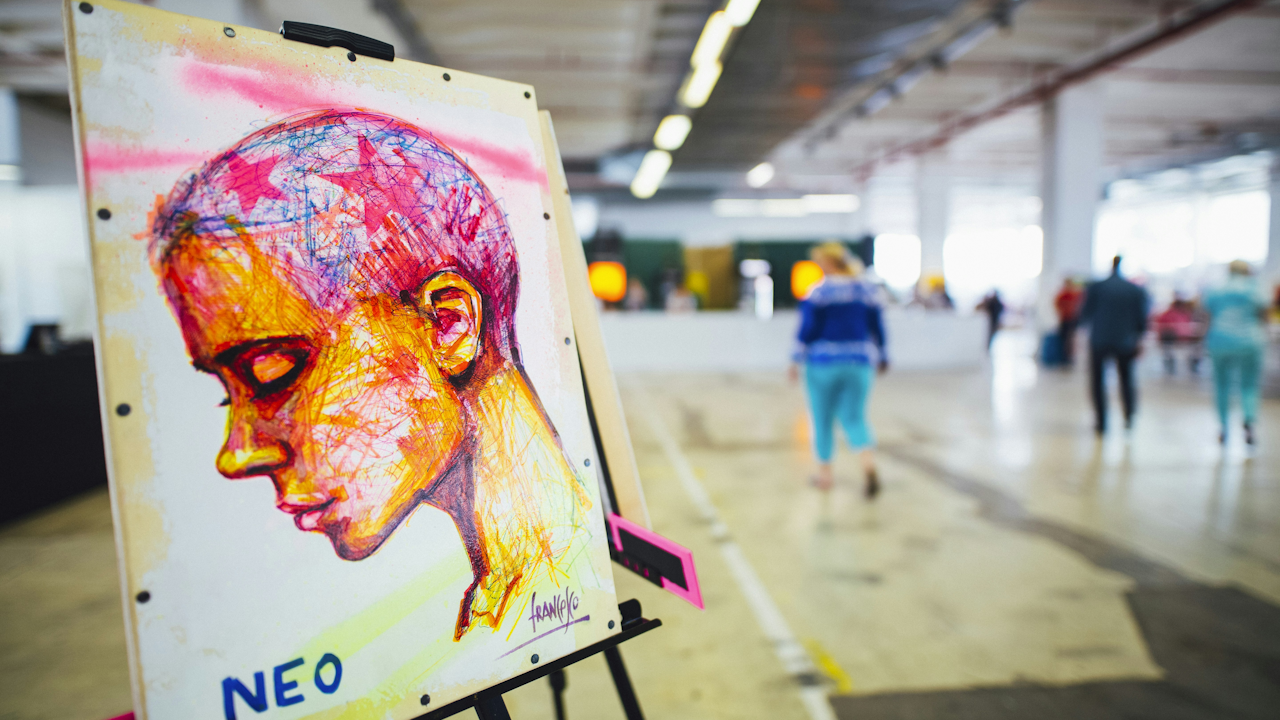
Negative space, often called white space or the empty area surrounding the main subject, serves as one of the most powerful tools in an artist’s arsenal. Far from being mere absence, negative space actively shapes perception and narrative. Artists harness it to direct attention, evoke emotion, imply movement, and convey meaning that words alone cannot capture. By carefully arranging voids and unoccupied regions, creators transform blank expanses into silent storytellers that enrich compositions and deepen viewer engagement.
At its core, negative space refers to the parts of an artwork not occupied by the primary forms or figures. It stands in contrast to positive space, which contains the tangible subjects. Together, these elements form a dynamic interplay. A skilled artist recognizes that negative space is never truly empty. It carries visual weight, influences rhythm, and guides the eye across the canvas, page, or screen. This principle applies across disciplines, from traditional painting and drawing to sculpture, graphic design, photography, and digital illustration.
The Foundations of Negative Space in Art
Understanding negative space begins with its role in composition. Artists learn early that balance arises not only from placed elements but also from the spaces left between them. In drawing classes, students often practice figure-ground reversal exercises, where they draw the spaces around an object rather than the object itself. This shift in focus reveals hidden structures and relationships.
Historically, negative space has roots in ancient artistic traditions. Chinese and Japanese ink paintings, for instance, celebrate the concept of “ma,” which denotes the meaningful pause or interval between forms. These empty areas invite contemplation and suggest vast landscapes or emotional depth without explicit detail. In Western art, Renaissance masters like Leonardo da Vinci employed subtle negative spaces to create atmospheric perspective, allowing distant backgrounds to recede and heighten the drama of foreground figures.
The deliberate use of negative space gained prominence in the 20th century with movements such as Minimalism and Op Art. Artists like M.C. Escher explored optical illusions where negative space morphs into positive forms, creating impossible architectures and endless cycles. His works challenge viewers to question reality and engage actively with the image, turning passive observation into an interactive narrative experience.
Techniques for Integrating Negative Space
Artists employ several techniques to weave negative space into storytelling. One common approach involves cropping or framing subjects partially, allowing surrounding emptiness to imply what lies beyond the visible frame. This technique builds suspense and encourages the viewer to complete the story mentally. For example, a portrait where the subject’s gaze directs toward an expansive void suggests longing, isolation, or anticipation of an unseen event.
Another method relies on silhouette and contour. By rendering figures as dark shapes against lighter backgrounds, artists emphasize outlines and create stark contrasts. This simplification strips away unnecessary details, forcing reliance on gesture and posture to communicate character and plot. In graphic novels and illustrations, bold negative spaces between panels or within scenes accelerate pacing or signal transitions in time and mood.
Artists also manipulate scale and proportion. Oversized negative areas around a small central figure can convey vulnerability, insignificance, or freedom. Conversely, tightly packed positive elements surrounded by minimal negative space generate tension, claustrophobia, or intimacy. These choices directly influence the emotional tone of the narrative.
Texture and pattern within negative spaces further enhance storytelling. Subtle gradients, faint textures, or repeating motifs in the background can echo themes from the main subject, reinforcing symbolism. A stormy sky rendered with swirling negative forms might mirror inner turmoil, while serene open fields suggest peace or opportunity.
Storytelling Through Absence: Psychological and Symbolic Impact
Negative space excels at conveying stories by what it omits. Human perception fills gaps instinctively, a phenomenon known as pareidolia or closure. Artists exploit this tendency to plant seeds of interpretation. A lone tree in a vast plain of negative space might symbolize resilience, solitude, or the passage of time. The emptiness around it tells of endurance against overwhelming odds.
Emotion emerges powerfully through negative space. In portraits, the space above a subject’s head, known as “headroom,” can indicate aspiration or oppression depending on its size. Crowded negative spaces create anxiety, while generous voids promote calm reflection. This emotional guidance shapes how audiences connect with characters and events.
Symbolism often hides within these areas. Consider the Rubin vase illusion, where the negative space between two faces forms a vase. Such dual readings invite layered meanings. Viewers might see conflict and unity simultaneously, mirroring complex human relationships. In political or social art, negative space can represent absence as presence, highlighting erased histories, marginalized voices, or forgotten truths.
Movement and narrative progression benefit from strategic negative space as well. Diagonal voids can propel the eye forward, suggesting action or journey. Curving negative areas guide attention in a flowing path, evoking rhythm or dance. In sequential art like comics, the gutters, or spaces between panels, function as negative space that bridges moments, implying elapsed time or causal connections.
Notable Examples Across Mediums
Throughout art history, masters have demonstrated masterful control over negative space. In painting, Edward Hopper used stark interiors with large areas of wall and window to evoke urban loneliness. The emptiness in works like “Nighthawks” amplifies isolation amid city lights, inviting viewers to imagine the unspoken stories of the figures.
Sculpture offers three-dimensional applications. Henry Moore’s reclining figures feature hollows and voids that become integral to the form. These negative spaces suggest organic growth, maternal embrace, or landscape connections, transforming solid material into narratives of humanity and nature.
Photography leverages negative space through composition and lighting. Ansel Adams captured monumental landscapes where vast skies and shadows dominate, dwarfing human presence and underscoring themes of wilderness and awe. Street photographers often isolate subjects against blank walls or crowds to highlight moments of quiet drama.
In contemporary graphic design and illustration, negative space defines iconic branding. The arrow formed in the FedEx logo between letters demonstrates how clever voids enhance memorability and convey speed or precision. Book cover designers use expansive negative areas to set mood, letting typography and minimal imagery hint at genre and plot without spoilers.
Digital artists and animators extend these principles into motion. Video games employ negative space in level design to focus player attention and imply unexplored territories. UI designers maintain clean interfaces where ample white space improves usability and creates visual hierarchy, subtly guiding user journeys through digital stories.
Challenges and Considerations for Artists
Mastering negative space requires discipline. Overuse can render compositions sparse and unengaging, while underuse leads to clutter. Artists must consider cultural contexts, as perceptions of emptiness vary. In some traditions, dense ornamentation holds value, whereas others prize restraint.
Technical execution matters too. In drawing and painting, controlling edges where positive and negative spaces meet determines clarity or ambiguity. Soft transitions blend realms for dreamlike effects, while hard edges sharpen focus and drama.
Experimentation plays a key role. Artists often create studies inverting spaces or removing elements to test narrative strength. Digital tools facilitate rapid iteration, allowing quick adjustments to balance and flow.
The Enduring Power of Negative Space
Negative space remains vital in modern art because it mirrors life itself. Existence consists of presence and absence, action and pause, speech and silence. By embracing voids, artists craft richer tapestries that resonate on multiple levels. Viewers return to such works, discovering new layers with each encounter as their own experiences color the interpretation.
Aspiring creators benefit from studying negative space deliberately. Sketching exercises focused solely on surrounding areas build intuition. Analyzing favorite artworks for their use of voids reveals hidden craftsmanship. Over time, this awareness elevates technical skill into profound storytelling.
In conclusion, negative space transcends decoration to become an essential narrative device. It whispers where positive forms shout, suggests where details might overwhelm, and connects where boundaries divide. Artists who wield it thoughtfully craft experiences that linger in memory, proving that sometimes the most compelling stories emerge from what is left unsaid and unseen. Through careful orchestration of emptiness, they invite audiences into collaborative meaning-making, forging deeper connections between creator, creation, and observer. This timeless principle ensures that art continues to captivate, challenge, and illuminate across generations.