

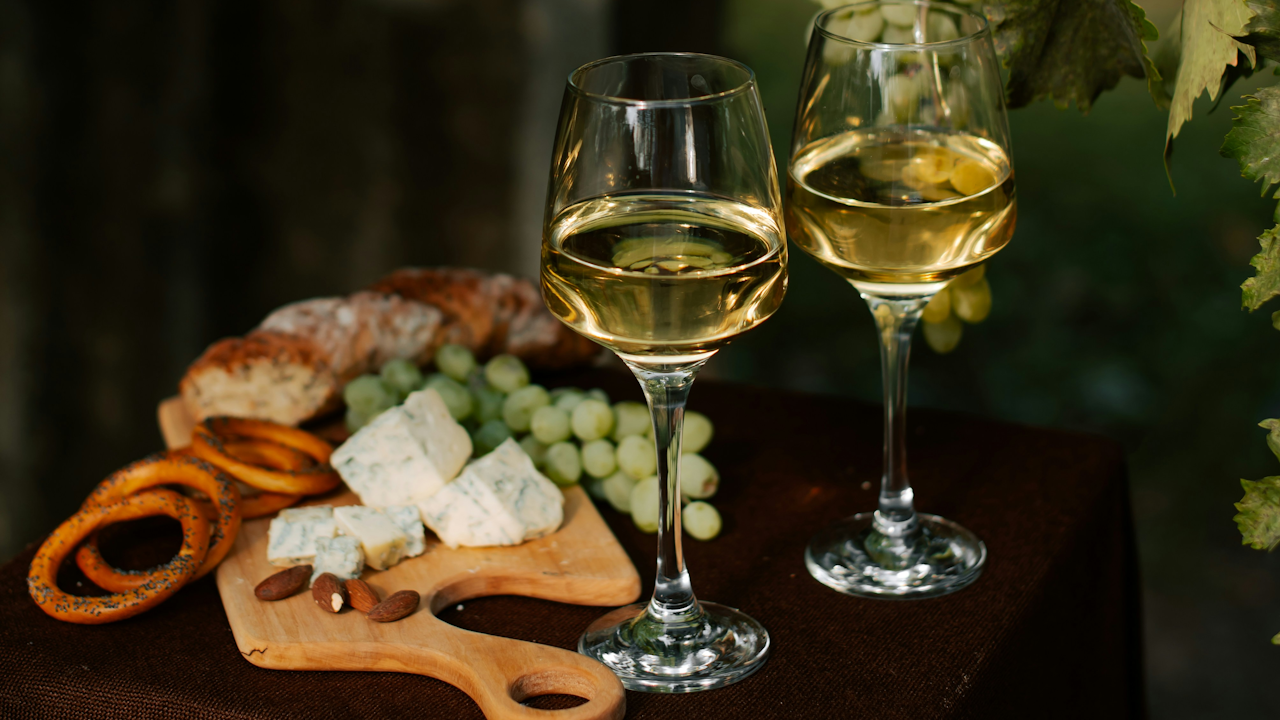
Pairing wine and cheese is one of the most enjoyable aspects of entertaining and gourmet dining. The combination creates harmony on the palate where the flavors of each enhance the other. While it may seem intimidating at first many enthusiasts discover that a few core principles and practical knowledge turn anyone into a confident host or guest. This comprehensive guide explores the fundamentals advanced techniques specific recommendations and expert tips to help you master wine and cheese pairings.
The Fundamentals of Wine and Cheese Pairing
Successful pairings rely on balance rather than strict rules. Cheese is rich fatty and often salty while wine offers acidity tannins sweetness and aroma. The goal is to achieve either complement where similar flavors amplify each other or contrast where opposing elements create excitement.
Key principles include:
- Match intensity levels. A light delicate wine pairs best with mild cheese while bold powerful wines stand up to aged or strong varieties. Overpowering one with the other leads to imbalance.
- Consider acidity. Wine acidity cuts through the fat in cheese cleansing the palate. Higher acid wines work well with richer cheeses.
- Account for tannins. Tannins in red wines can clash with certain cheeses creating a bitter or metallic taste. This explains why white wines often prove more versatile.
- Think about texture. Creamy cheeses benefit from crisp or sparkling wines while firm cheeses handle fuller bodied options.
- Regional harmony. Wines and cheeses from the same area frequently pair exceptionally well due to shared terroir and production traditions.
Always serve cheese at room temperature to allow full flavor development. Start tastings with milder options and progress to stronger ones to avoid overwhelming the senses.
Categorizing Cheeses for Pairing
Experts often divide cheeses into broad categories to simplify choices. Understanding these helps build intuition.
Fresh Cheeses: These include goat cheese ricotta mozzarella and feta. They are bright tangy creamy and mild with high moisture. Pair them with crisp high acid whites that refresh the palate. Sauvignon Blanc shines here with its citrusy herbaceous notes cutting the tanginess. Sparkling wines like Prosecco or Champagne also excel adding effervescence that contrasts the softness. Light rosés provide another refreshing option.
Soft and Bloomy Rind Cheeses: Brie Camembert and triple creams fall here. Their creamy runny texture and mild earthy flavors demand wines with enough structure to cut richness without dominating. Chardonnay especially unoaked or lightly oaked versions works beautifully. Pinot Noir offers a lighter red alternative with red fruit notes that complement the mushroomy undertones. Sparkling wines remain reliable for cutting fat.
Semi Soft and Washed Rind Cheeses: Examples are Taleggio Munster and young Gouda. These have stronger aromas and creamier textures from washing rinds during aging. Fuller bodied whites like Chardonnay or Viognier balance the pungency. Lighter reds such as Pinot Noir or Beaujolais provide fruitiness that tempers earthiness.
Firm and Hard Cheeses: Aged Cheddar Gruyere Comté Parmesan Manchego and Gouda belong in this group. They develop nutty salty crystalline textures with concentrated flavors. Full bodied reds like Cabernet Sauvignon Syrah or Zinfandel match their intensity. Aged whites or even dry Sherry complement the nuttiness. Sparkling wine surprisingly pairs well with Parmesan cutting through its dryness.
Blue Cheeses: Roquefort Stilton Gorgonzola and Danish Blue offer bold salty pungent profiles with veins of mold. Sweet wines balance the intensity perfectly. Port Sauternes or late harvest Riesling create classic matches. The sweetness counters saltiness while acidity and body stand up to the funk. Some drier reds or sparkling wines can work but sweetness usually triumphs.
Aged and Sharp Cheeses: Extra aged varieties amplify flavors and textures. Robust reds or fortified wines like Port prevent the cheese from overwhelming the wine.
Specific Pairing Recommendations
Here are proven combinations drawn from expert consensus:
- Goat Cheese and Sauvignon Blanc: The classic. The wine’s bright acidity and herbal notes mirror and enhance the cheese’s tang. Try a Loire Valley version for regional synergy.
- Brie or Camembert and Chardonnay or Pinot Noir: Buttery Chardonnay complements creaminess while Pinot Noir adds elegant fruit.
- Aged Cheddar and Cabernet Sauvignon: Bold tannins and dark fruit stand up to sharp nutty cheddar. This pairing holds its own at any gathering.
- Gruyere and Pinot Noir: Nutty cheese meets red berry and earth notes in the wine.
- Parmesan and Prosecco or Dry Sherry: Bubbles or oxidized notes contrast the hard salty cheese.
- Blue Cheese and Port: Sweet fortified wine tempers pungency creating a luxurious finish.
- Manchego and Tempranillo: Spanish harmony with nutty cheese and earthy red wine.
- Feta and Beaujolais: Light fruity red cuts saltiness beautifully.
Experiment with rosé for versatile lighter pairings across many cheeses.
Advanced Techniques for Pro Level Pairings
Elevate your skills with these strategies:
- Build a Progressive Board: Arrange cheeses from mild to strong alongside wines that increase in body. This guides guests through a flavor journey.
- Incorporate Accompaniments: Nuts fruits honey jams and crackers enhance pairings. Fig jam with blue cheese and Port or grapes with Chardonnay and Brie amplify experiences.
- Temperature Control: Chill whites and sparklers appropriately. Reds should be slightly below room temperature to avoid alcohol heat.
- Tasting Method: Sip wine first then cheese then wine again. Notice how flavors evolve and interact.
- Seasonal Considerations: Lighter pairings suit warmer months while richer ones fit cooler weather.
- Avoid Common Pitfalls: Skip very oaky reds with delicate cheeses. Extremely tannic wines may clash with blues. Balance is essential.
Consider “what grows together goes together.” Italian wines with Italian cheeses French options with French varieties often succeed naturally.
Hosting a Successful Wine and Cheese Event
Plan for variety. Offer three to five cheeses representing different categories with two to three wines. Provide tasting notes or a simple chart for guidance. Include non alcoholic options and plenty of water.
Source high quality ingredients. Artisanal cheeses from local shops or specialty markets outperform mass produced versions. Allow cheeses to breathe for at least 30 minutes before serving.
For larger events create themed boards such as all French or Italian. Or focus on one wine varietal and pair multiple cheeses with it.
Exploring Beyond the Basics
Once comfortable branch into lesser known territories. Try aged sheep milk cheeses with orange wines or natural wines. Funky washed rind cheeses with off dry Rieslings reward adventurous palates.
Travel virtually by pairing regional specialties. Explore Spanish Manchego with Rioja or Greek feta with Assyrtiko.
Conclusion
Mastering wine and cheese pairings combines knowledge practice and personal preference. Start with fundamental principles and classic matches then trust your palate to experiment. The joy lies in discovery and sharing delightful combinations with others.
With attention to intensity acidity texture and harmony you can confidently create memorable experiences. Whether hosting an intimate dinner or casual gathering these skills transform simple ingredients into something extraordinary. Pour a glass select a cheese and enjoy the timeless pleasure of perfect pairings.