

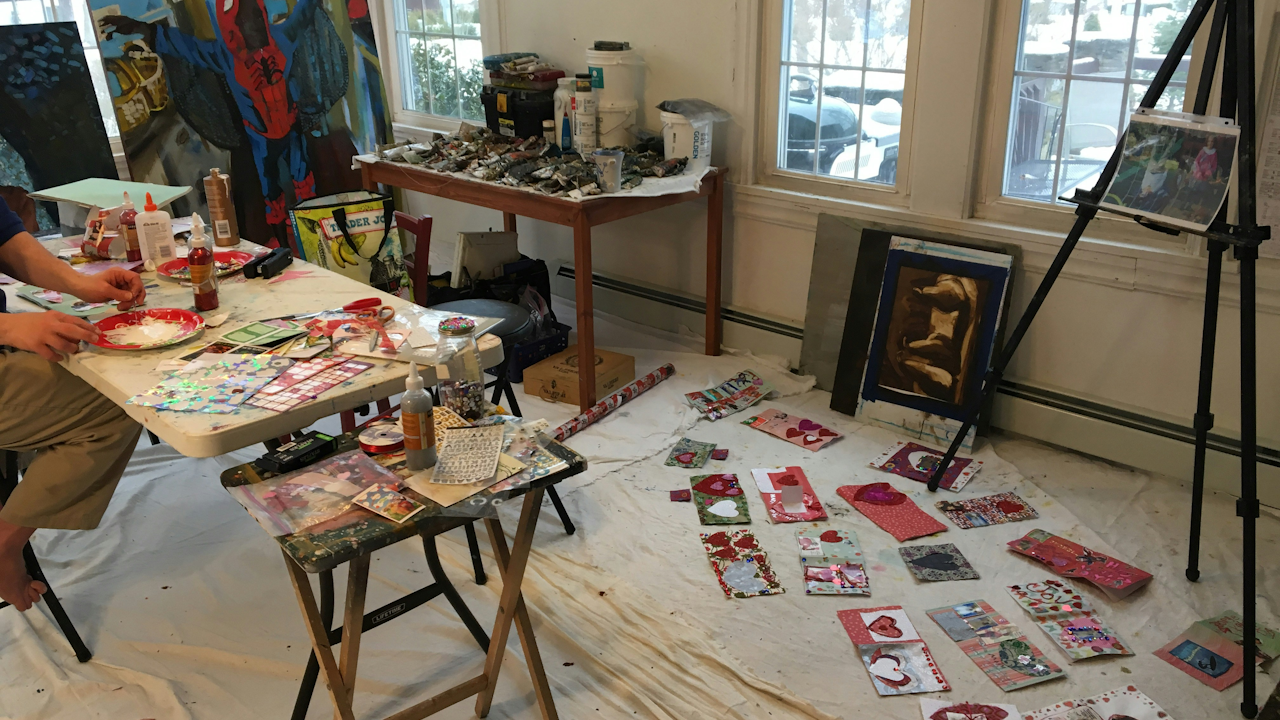
In an era defined by environmental awareness and resource scarcity, artists and designers in modern studios are redefining creativity by transforming discarded materials into valuable works of art. This practice, often called upcycling or recycled art, goes beyond simple reuse. It challenges perceptions of waste, sparks innovation, and contributes to a more sustainable creative process. Studios around the world have become laboratories where everyday trash finds new purpose, turning what was once destined for landfills into treasures that provoke thought, beauty, and utility.
The concept of repurposing materials is not new, but in contemporary studios it has gained fresh momentum. Historically, artists have scavenged for supplies due to necessity. Think of folk art traditions or wartime improvisations. Today, however, it is a deliberate choice driven by ecological concerns and a desire to critique consumer culture. Modern studios emphasize closed-loop systems where waste from one project fuels another. This approach reduces costs, minimizes environmental impact, and opens doors to unique textures, forms, and narratives that pristine materials cannot provide.
One of the most compelling aspects of this movement is its diversity across mediums. Sculptors, painters, textile artists, and installation creators all participate. In sculpture studios, for instance, artists collect plastic debris, metal scraps, and electronic waste. They clean, sort, and reconfigure these items into monumental pieces. The process requires patience and ingenuity, as materials often resist conventional tools. Welders might join rusted parts, while others use adhesives or weaving techniques for softer items.
Consider the work of Ghanaian artist El Anatsui. He gathers discarded bottle caps and aluminum from liquor packaging, then stitches them together with copper wire into vast, shimmering tapestries. These pieces drape like fabric yet carry the weight of history and globalization. In his studio, what begins as industrial refuse becomes commentary on trade, consumption, and African heritage. His method has inspired countless others to view packaging not as endpoint but as raw material.
Brazilian artist Vik Muniz takes a different route. He arranges garbage into replicas of famous paintings or portraits, photographs the compositions, and presents the images at large scale. His series created in Rio de Janeiro’s largest landfill highlighted the lives of waste pickers while transforming trash into high art. In studio settings, this technique encourages artists to experiment with scale and photography as intermediaries.
Textile studios have embraced upcycling with equal enthusiasm. Artists like Vanessa Barragao repurpose waste from the Portuguese textile industry into intricate sculptures and installations. Old fabrics, threads, and industrial remnants find new life in layered, organic forms that evoke marine environments or abstract landscapes. Ruth Singer and others focus on vintage clothing and linens, creating quilts, soft sculptures, or wall hangings that blend nostalgia with sustainability.
In mixed-media studios, the possibilities multiply. Robert Bradford constructs large-scale figures from discarded plastic toys. Each component carries its own history of play and obsolescence, adding emotional depth. Bill Henig turns beer bottle caps into fish sculptures called Beerakuda, merging personal habits with environmental messaging. Ari Bayuaji collects ocean plastics and fishing nets on beaches, then weaves them into textiles and sculptures through community projects.
Aurora Robson and the Project Vortex collective exemplify studio-based collaboration. They intercept plastic waste before it reaches oceans or landfills, then manipulate it into colorful installations, textiles, and fiber art. Their exhibitions demonstrate how group studios can amplify impact through shared resources and knowledge exchange.
Modern studios facilitate this work through thoughtful organization. Dedicated sorting areas separate plastics, metals, papers, and organics. Artists maintain inventories of found objects, much like traditional supply closets. Safety protocols address potential hazards such as sharp edges or chemical residues. Ventilation systems handle fumes from melting or gluing plastics. Many studios partner with local businesses or waste facilities to secure steady material streams.
Techniques vary widely. Some artists employ traditional methods like welding, carving, or sewing adapted to unconventional items. Others experiment with digital tools: scanning objects for 3D printing hybrids or using software to plan compositions. Heat-forming plastics, mosaic assembly, and collage dominate many practices. The key is experimentation. A broken ceramic shard might become part of a mosaic tabletop. Old floppy disks serve as canvases for painted portraits. Cardboard, wire, and fabric scraps build raw emotional sculptures.
Benefits extend far beyond aesthetics. Environmentally, upcycling diverts waste from landfills and reduces demand for virgin resources. One studio project might prevent hundreds of pounds of plastic from polluting ecosystems. Economically, artists save on materials while creating marketable pieces that appeal to collectors seeking sustainable art. Creatively, constraints foster innovation. Limitations imposed by imperfect materials push artists beyond comfort zones, yielding surprising results.
Socially, these practices raise awareness. Exhibitions and workshops invite the public to reconsider their own consumption. Community studios often run educational programs where participants learn to turn household trash into art. Schools incorporate upcycling projects to teach sustainability alongside creativity. This grassroots approach builds broader cultural shifts toward circular economies.
Challenges persist. Sourcing consistent materials requires effort. Cleaning and preparing waste can be labor-intensive and sometimes unhealthy without proper equipment. Art markets may undervalue works made from trash, associating them with lower prestige. Durability concerns arise because recycled items degrade differently than new ones. Archival treatments or protective coatings become essential for longevity.
Despite obstacles, the movement grows. Galleries dedicate shows to recycled art. Collectors seek pieces with strong narratives. Fashion and product design studios adopt similar principles, blurring lines between fine art and functional objects. Furniture made from reclaimed wood or plastic, lighting fixtures from bottles, and jewelry from electronic components exemplify crossovers.
Looking ahead, technology will likely enhance possibilities. Advances in material science could improve compatibility of mixed wastes. Artificial intelligence might suggest optimal combinations or simulate outcomes. Global networks of studios could share best practices and materials via digital platforms. As climate pressures intensify, upcycling may move from niche to mainstream in creative education and production.
In modern studios, turning trash into treasure represents more than a trend. It embodies a philosophy: nothing is truly waste until we fail to imagine its potential. Artists demonstrate that creativity thrives not in abundance but in resourceful transformation. Each piece tells a story of redemption, inviting viewers to see their own environments with fresh eyes.
Studios dedicated to this ethos often feel alive with possibility. Piles of sorted castoffs line walls, waiting for the right project. Tools hum as hands shape new forms. Conversations revolve around not just technique but ethics and impact. Visitors leave inspired to sort their recyclables more thoughtfully or attempt small upcycling projects at home.
Ultimately, this practice reminds us of human ingenuity. In the face of global waste crises, artists in studios worldwide prove that beauty and meaning can emerge from the overlooked. They transform the mundane into the magnificent, one repurposed fragment at a time. As more creators adopt these methods, the collective treasure grows, enriching both culture and planet. The studio becomes a place of alchemy, where discard becomes delight and trash truly turns to treasure.