

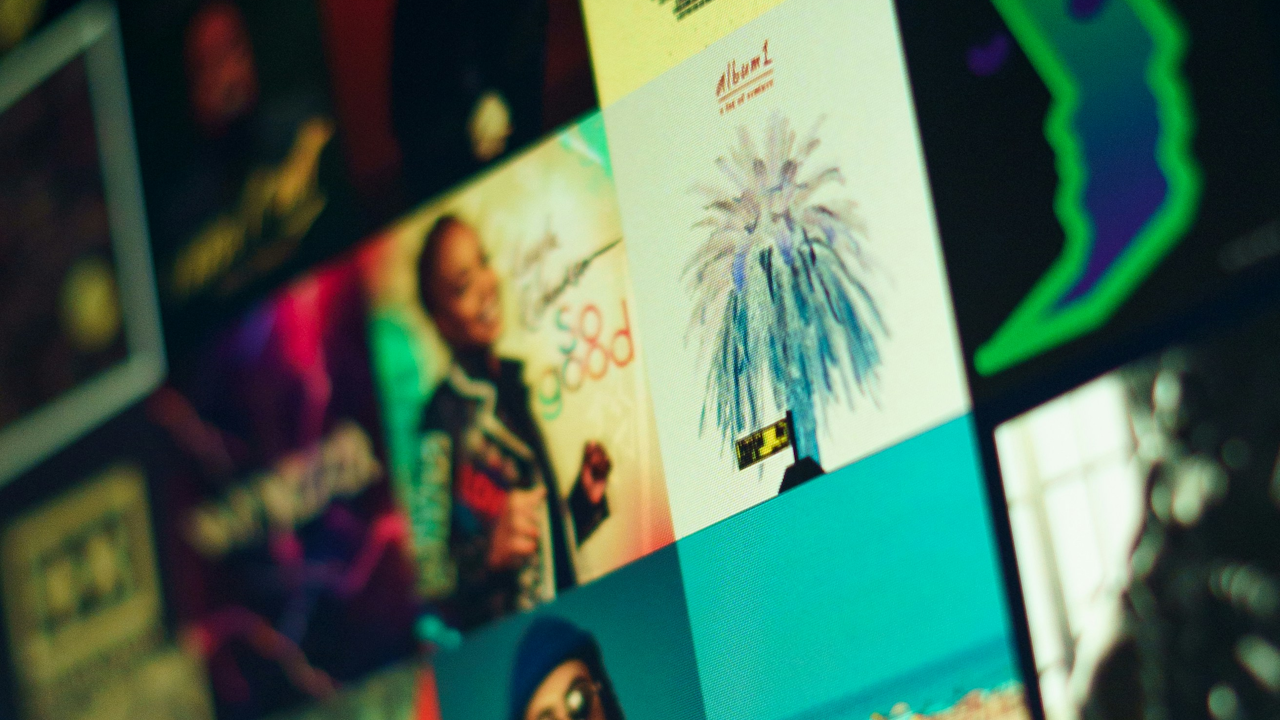
Album covers serve as the visual gateway to the sonic world within. They transform music from an auditory experience into a tangible cultural artifact. In an era when streaming services dominate listening habits, the album cover remains a powerful emblem of artistic intent. It fuses the auditory imagination of musicians with the interpretive vision of graphic designers. This marriage of sound and sight has shaped how audiences perceive, remember, and connect with music for decades.
From the earliest days of recorded music, album art has functioned as more than mere packaging. It communicates mood, genre, narrative, and identity. A striking cover can elevate an album to legendary status even before a single note plays. Conversely, a mismatched design might undermine even the strongest musical work. The best album covers achieve synergy. They do not simply illustrate lyrics or sounds. They amplify them, creating a holistic experience that lingers in the mind long after the music ends.
The Origins and Early Development
The history of album covers traces back to the introduction of the long-playing record in the late 1940s. Before then, music came primarily on shellac 78 rpm discs stored in plain paper sleeves. The LP format, pioneered by Columbia Records, demanded more substantial packaging. These cardboard sleeves, typically 12 inches square, offered a large canvas for visual expression.
Early album covers were functional. They often featured straightforward photography of the artist or simple typography. Yet even in this nascent stage, innovation emerged. Alex Steinweiss, hired by Columbia in 1939 as the first art director for album covers, revolutionized the field. He introduced vibrant illustrations, bold colors, and conceptual designs. His work demonstrated that packaging could actively sell records. Steinweiss’s covers for classical and jazz releases helped establish album art as a commercial and creative discipline.
By the 1950s and 1960s, the art form matured. Jazz labels like Blue Note and Verve commissioned photographers and illustrators to capture the improvisational spirit of the music. Reid Miles’s designs for Blue Note exemplified minimalist elegance. Clean lines, high-contrast photography, and sans-serif typography reflected the cool sophistication of artists like Miles Davis and John Coltrane. These covers became visual shorthand for the jazz aesthetic itself.
The Psychedelic Explosion and Cultural Revolution
The 1960s marked a golden age for album cover design. Rock and roll, psychedelia, and counterculture movements demanded visuals as bold as the music. The Beatles’ “Sgt. Pepper’s Lonely Hearts Club Band” (1967) stands as a landmark. Designed by Peter Blake and Jann Haworth, the cover featured a collage of celebrities and historical figures surrounding the band in elaborate costumes. It was not merely decorative. It embodied the album’s themes of reinvention, spectacle, and cultural commentary. The design won a Grammy and influenced countless artists.
Psychedelic rock pushed boundaries further. Albums by Pink Floyd, The Grateful Dead, and Jefferson Airplane embraced surrealism, optical illusions, and vibrant color palettes. Storm Thorgerson and Aubrey Powell’s Hipgnosis studio created some of the most memorable works of this period. Their cover for Pink Floyd’s “The Dark Side of the Moon” (1973) features a simple prism dispersing light into a spectrum. This image perfectly distilled the album’s exploration of madness, time, and human experience. Its minimalist genius proved that powerful design does not always require complexity.
Progressive rock and concept albums amplified the importance of cover art. Bands like Yes and Genesis collaborated with illustrators such as Roger Dean. Dean’s fantastical landscapes, floating islands, and mythical creatures provided a visual mythology that complemented the epic scope of the music. These designs invited listeners to immerse themselves in extended sonic journeys.
Iconic Designers and Their Legacies
Certain designers have left an indelible mark on the medium. Andy Warhol’s banana peel cover for The Velvet Underground & Nico (1967) remains provocative and interactive. The original version allowed fans to peel the banana sticker. This tactile element blurred the line between packaging and art object. Warhol’s work demonstrated how fine artists could elevate commercial design.
Peter Saville, associated with Factory Records in the 1980s, brought modernist minimalism to post-punk and electronic music. His covers for Joy Division and New Order often featured stark photography, elegant typography, and abstract imagery. Saville’s approach emphasized atmosphere over literal representation. A Joy Division cover might show a stark, empty room or a manipulated historical photograph. These choices captured the emotional weight of the music without literal illustration.
Hipgnosis, mentioned earlier, and later designers like Vaughan Oliver at 4AD Records continued this tradition of atmospheric design. Oliver’s work for bands such as Cocteau Twins and Pixies used blurred photography, organic textures, and mysterious typography. These elements created dreamlike visuals that mirrored the ethereal or abrasive qualities of the sounds inside.
The Role of Photography and Illustration
Photography has always played a central role in album art. Richard Avedon’s portraits for albums by The Beatles and others captured raw charisma. Annie Leibovitz’s work for Rolling Stones and others brought intimacy and drama. In the hip-hop era, photographers like Chi Modu documented the street-level energy of artists such as Tupac Shakur. These images helped define the visual language of the genre.
Illustration offers another powerful avenue. Comic book styles influenced covers in punk and metal. Jamie Hewlett’s cartoonish designs for Gorillaz created an entire virtual band universe. Fantasy illustration thrives in metal, where intricate artwork by artists like Eddie the Head for Iron Maiden tells ongoing stories across multiple albums.
Typography itself becomes an art form. Designers manipulate fonts to evoke emotion. Heavy metal often employs jagged, gothic lettering. Indie rock might favor handwritten scripts. Electronic music favors clean, futuristic type. The placement and scale of text relative to imagery can dramatically alter impact.
Technical and Creative Processes
Creating an effective album cover involves collaboration. Musicians, art directors, photographers, and illustrators work together. Budgets, deadlines, and label expectations shape outcomes. In the analog era, physical constraints limited possibilities. Designers worked with film photography, airbrushing, and manual typesetting.
Digital tools transformed the field starting in the 1990s. Software like Photoshop allowed for seamless manipulation, layering, and experimentation. Yet many designers lament the loss of tactile qualities. The best modern covers still respect principles of composition, color theory, and visual hierarchy that guided earlier generations.
Key design principles apply universally. Balance between negative space and detail prevents clutter. Color psychology influences mood. Warm tones suggest energy or intimacy. Cool tones evoke melancholy or mystery. Scale and contrast direct the viewer’s eye. The square format of vinyl LPs presents unique challenges and opportunities. Elements must read well when reduced to CD size or thumbnail dimensions.
Marketing, Branding, and Cultural Impact
Album covers function as powerful marketing tools. In record stores, they compete for attention on crowded shelves. A memorable cover can drive impulse purchases. Beyond sales, they contribute to artist branding. The Rolling Stones’ tongue and lips logo, originally created for “Sticky Fingers,” transcends any single album. It became a permanent symbol of the band’s rebellious identity.
Covers also embed music within broader cultural conversations. The image of a banana for The Velvet Underground linked the band to pop art. Nirvana’s “Nevermind” baby swimming toward a dollar bill captured generational disillusionment. These visuals become part of collective memory. They appear in merchandise, tattoos, and parodies. They shape how non-listeners perceive the music.
Controversies and Censorship
Album art has frequently sparked controversy. Parental Advisory labels emerged partly because of explicit imagery. The original cover of The Beatles’ “Yesterday and Today” featured the band surrounded by butchered meat and doll parts. It was quickly withdrawn. Jane’s Addiction’s “Ritual de lo Habitual” included religious imagery that provoked debate. Such incidents highlight the power of visual provocation. They also underscore the tension between artistic freedom and commercial or societal expectations.
The Digital Age and Shrinking Formats
The transition to CDs in the 1980s reduced the canvas size. Many lamented the loss of vinyl’s grandeur. CD booklets offered new opportunities for expanded artwork and lyrics. Yet the smaller format demanded designs that remained legible at reduced scale.
The rise of digital downloads and streaming introduced further challenges. Album covers now appear primarily as tiny thumbnails on phones and computers. This reality has led some artists to prioritize bold, simple graphics. Others embrace the constraints creatively. They design covers that reward closer inspection through high-resolution digital files or physical reissues.
Despite these shifts, vinyl has experienced a renaissance. Younger generations discover the format’s tactile and visual appeal. Limited edition colored vinyl and gatefold sleeves with expansive artwork have revived interest in physical covers.
Modern Masters and Contemporary Trends
Contemporary designers continue to innovate. Banksy has created provocative covers. Artists like David Bowie collaborated closely with designers throughout his career. The “Blackstar” cover uses stark, symbolic imagery that perfectly suits the album’s themes of mortality and legacy.
In hip-hop and R&B, minimalist portraits and high-fashion photography dominate. Kendrick Lamar’s “To Pimp a Butterfly” features a striking group photograph that captures community and struggle. Electronic and experimental artists often favor abstract digital art. Generative algorithms and AI tools are beginning to appear, raising questions about authorship and creativity.
Indie and alternative scenes celebrate handcrafted aesthetics. Risograph printing, collage, and experimental typography create distinctive looks. These approaches resist the polished uniformity of mainstream design.
The Enduring Power of the Format
Album covers matter because they humanize music. They provide a face, a mood, and a world for the sounds. In an age of algorithmic playlists and fleeting attention, a well-designed cover offers permanence and invitation. It encourages listeners to slow down, examine details, and engage more deeply.
Great covers achieve something rare. They stand alone as artworks while enhancing the music. They become cultural touchstones that transcend their original purpose. From the elegant minimalism of Blue Note to the surreal collages of the psychedelic era to the digital experiments of today, album art reflects both musical evolution and societal changes.
Musicians and designers who understand this symbiosis create experiences greater than the sum of their parts. The cover becomes an essential component of the album. It frames expectations, deepens emotional resonance, and extends the artistic statement beyond the grooves or digital files.
As music consumption continues to evolve, the art of the album cover persists. Whether printed on vinyl, viewed on a screen, or reimagined in new formats, it remains a vital intersection of music and visual design. It reminds us that art, in any medium, gains power through thoughtful integration. The best album covers do not merely decorate music. They complete it. They transform a collection of tracks into a fully realized cultural object that resonates across time.
This enduring dialogue between sound and sight continues to inspire new generations of creators. It proves that even as technology changes delivery methods, the fundamental human desire for meaningful aesthetic experiences remains constant. Album covers will undoubtedly continue to evolve while retaining their core function: bridging the invisible realm of music with the visible world of design.