

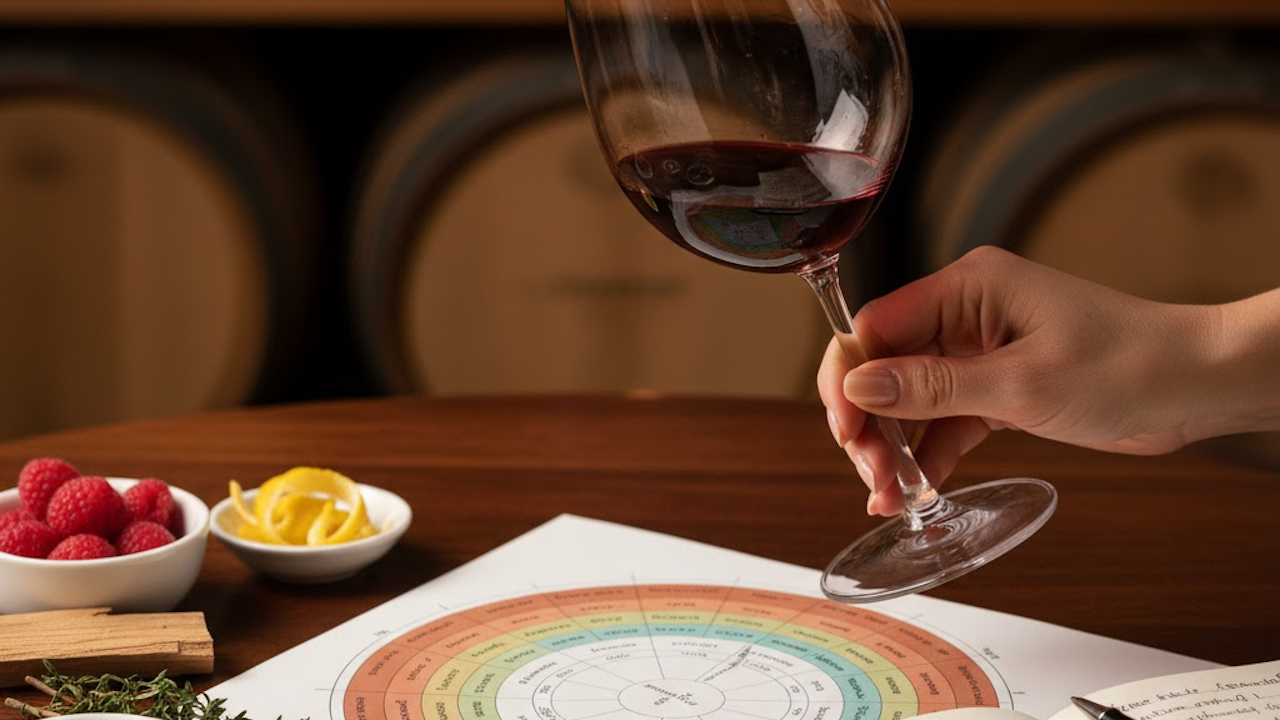
Wine tasting often feels mysterious to beginners. People swirl glasses, close their eyes, and declare notes of black cherry, wet stone, or baking spice as if these aromas appear by magic. The truth is that identifying notes in wine relies on structured observation, sensory training, and systematic practice rather than intuition or guesswork. This article provides a complete guide to developing reliable skills for recognizing aromas, flavors, and structural elements in wine. By following methodical approaches, anyone can move from vague impressions to confident, accurate descriptions.
Understanding What Wine Notes Really Are
Wine notes refer to the specific aromas and flavors detected during tasting. These come from volatile compounds produced during grape growing, fermentation, aging, and storage. Primary notes derive from the grape itself, secondary notes from fermentation processes, and tertiary notes from aging in oak or bottle.
For example, a Sauvignon Blanc might show grassy, citrus, and tropical fruit notes from the grape variety and cool-climate growing conditions. A Cabernet Sauvignon aged in oak barrels often displays vanilla, toast, and cedar alongside dark fruit. These are not random; they follow predictable patterns based on grape, region, vintage, and winemaking choices.
The key to identification without guessing is building a mental library of reference smells and tastes. Professional sommeliers and winemakers train their senses deliberately, much like musicians develop perfect pitch through repeated exposure.
Preparing for Effective Tasting
Start with the right environment and mindset. Choose a quiet, well-lit space free from strong odors like perfume, cooking smells, or scented candles. Natural daylight or neutral lighting helps assess color accurately. Use clear, tulip-shaped glasses that narrow at the top to concentrate aromas. Fill the glass about one-third full.
Clean your palate before tasting. Avoid strong foods, coffee, or mint for at least thirty minutes prior. Water and plain crackers can reset your senses between wines. Taste in the morning or early afternoon when your senses are freshest. Many experts avoid wearing cologne or handling strong-smelling products on tasting days.
Organize your tasting systematically. Use a notebook or tasting sheet to record observations in order: appearance, nose (aromas), palate (taste and mouthfeel), and conclusion. This structure prevents jumping to conclusions and encourages careful analysis.
Step One: Visual Assessment
Although aroma and flavor receive the most attention, sight provides important clues. Tilt the glass against a white background to evaluate color and clarity.
- Red wines range from purple-ruby in young examples to brick-orange in aged ones. Deeper color often indicates fuller body or younger age.
- White wines shift from pale straw to deep gold with age or oak influence.
- Clarity matters. Haze might indicate unfiltered wine or faults, while sediment in older reds is normal.
Swirl the glass and observe legs or tears running down the sides. These indicate alcohol and sugar levels but do not directly reveal specific notes. Use this step to set expectations. A deep garnet wine might suggest darker fruit notes, while a pale straw white hints at lighter citrus or mineral characteristics.
Step Two: Mastering the Nose
Smell provides roughly eighty percent of flavor perception. Proper technique maximizes aroma detection.
First, swirl the wine gently to release volatile compounds. Stick your nose deep into the glass and take short, quick sniffs rather than one long inhale. This prevents olfactory fatigue. Take several sniffs, pausing between them. Some people find closing their eyes helps focus.
Break down aromas into categories:
Fruit notes: Start with the most obvious. Is it red fruit (strawberry, raspberry, cherry) or black fruit (blackberry, plum, cassis)? For whites, consider citrus (lemon, grapefruit), tree fruit (apple, pear), or tropical (pineapple, mango). Note ripeness. Underripe fruit might show green apple or tart berry; overripe leans toward jam or cooked fruit.
Floral and herbal notes: Roses, violets, lavender, or orange blossom appear in many wines. Herbal notes include fresh herbs (basil, mint), dried herbs, or green notes like grass, bell pepper, or eucalyptus.
Spice and savory notes: Black pepper, cinnamon, clove, nutmeg, or anise often come from oak or specific grapes like Syrah. Earthy or savory elements include mushroom, leather, tobacco, or game.
Mineral and earthy notes: Wet stone, chalk, flint, or saline suggest terroir influence, common in Chablis or certain Rieslings. Forest floor, mushroom, or truffle indicate aged Pinot Noir or Nebbiolo.
Oak-derived notes: Vanilla, caramel, coconut, toast, smoke, or chocolate point to barrel aging. New oak imparts stronger flavors than neutral barrels.
Train by smelling everyday items. Keep a box of reference aromas: lemon zest, crushed blackberries, wet gravel, cinnamon sticks, or green bell pepper. Smell them blind and label them. Repeat daily to build recognition speed.
Step Three: The Palate Analysis
Take a small sip and let it coat your tongue. Gently suck in a bit of air through your lips to aerate the wine, enhancing flavor release. This might feel noisy at first but is standard professional technique.
Identify basic tastes:
- Sweetness on the tip of the tongue, though most dry wines show very little.
- Acidity on the sides, creating a mouth-watering sensation.
- Bitterness or astringency toward the back, often from tannins in reds.
- Alcohol warmth or heat in the finish.
Note texture and mouthfeel. Light wines feel delicate and watery; full-bodied ones feel heavy and viscous. Tannins create a drying, grippy sensation in reds. Bubbles in sparkling wines add another dimension.
Flavors on the palate often mirror the nose but can reveal new elements as the wine warms in your mouth. Pay attention to evolution. Does the flavor intensify, change, or fade quickly?
Developing a Systematic Vocabulary
Avoid vague terms like “good” or “fruity.” Use specific, descriptive language. Instead of saying a wine smells sweet, identify cherry candy versus fresh cherries versus dried cherries. Precision comes from practice.
Common frameworks like the Wine Aroma Wheel by Ann Noble help categorize smells. Start at the center with broad categories (fruit, floral) and move outward to specifics (black currant, rose). This structured approach reduces guessing.
Keep detailed notes for every wine. Over time, patterns emerge. You might notice that New Zealand Sauvignon Blanc consistently shows passion fruit and gooseberry, while California versions lean toward melon and citrus.
Training Your Senses Actively
Passive drinking will not build skills. Active training does.
Aroma kits: Commercial kits contain vials of isolated aromas matching common wine notes. Practice identifying them blind. Start with fruit sets, then progress to oak and earth.
Blind tasting groups: Taste with friends without knowing the wine. Discuss findings before revealing labels. This forces reliance on senses rather than expectations.
Comparative tasting: Taste similar wines side by side. Compare two Chardonnays, one oaked and one unoaked, to isolate oak influences. Taste wines from the same grape but different regions to understand terroir effects.
Daily smell training: Smell everything mindfully. Grocery shopping becomes practice. Crush herbs, smell fruits before eating, or identify spices in your kitchen blindfolded.
Record and review: Maintain a tasting journal. After six months, revisit early notes. You will notice improvement in specificity and accuracy.
Common Aroma Profiles by Grape Variety
Familiarity with classic profiles provides anchors for identification.
White wines:
- Chardonnay: Apple, pear, citrus, butter (from malolactic fermentation), vanilla and toast (oak).
- Sauvignon Blanc: Citrus, grass, gooseberry, tropical fruit, sometimes cat pee (from thiols in certain regions).
- Riesling: Lime, peach, apricot, petrol (in aged examples), honey.
- Pinot Grigio: Apple, lemon, almond, mineral.
Red wines:
- Cabernet Sauvignon: Black currant, cassis, green bell pepper (in cooler climates), cedar, tobacco.
- Pinot Noir: Cherry, strawberry, earth, mushroom, rose.
- Syrah/Shiraz: Blackberry, olive, black pepper, smoked meat.
- Merlot: Plum, black cherry, chocolate, herbal notes.
- Nebbiolo: Rose, tar, cherry, leather, truffle (with age).
These are starting points. Variations occur due to vintage, producer, and style.
Understanding Structural Elements and Faults
Notes extend beyond aroma and flavor to structure. Balance between fruit, acidity, tannin, alcohol, and sweetness determines quality. High acidity might emphasize citrus notes. Strong tannins can mute fruit until the wine opens up.
Learn common faults to avoid misidentification:
- Cork taint (TCA): Musty, wet cardboard smell.
- Brettanomyces: Barnyard, band-aid, medicinal.
- Oxidation: Sherry-like, nutty in whites that should be fresh.
- Reduction: Rotten egg or struck match (can sometimes blow off with aeration).
Distinguishing faults from intentional notes takes experience. For example, slight earthiness in Burgundy is desirable, while pronounced mustiness signals a problem.
Advanced Techniques
Once basics are mastered, explore more nuanced approaches.
Retro-nasal olfaction: After swallowing or spitting, breathe out through your nose. This reveals additional flavors.
Temperature effects: Serve wines at proper temperatures. Too cold mutes aromas; too warm emphasizes alcohol. Reds around 60-65°F (16-18°C), whites 45-55°F (7-13°C).
Aeration and decanting: Young, tannic wines often benefit from breathing. Decant to soften structure and reveal hidden notes.
Vertical and horizontal tastings: Compare different vintages of the same wine (vertical) or same vintage from different producers (horizontal).
Resources for Continued Learning
Books like “The Wine Bible” by Karen MacNeil or “Wine Tasting” by Ronald Jackson offer scientific depth. Apps such as Vivino or Delectable allow logging tastings and comparing notes with communities, though always prioritize your own senses.
Attend tastings, winery visits, or classes. Professional certifications like WSET or Court of Master Sommeliers provide structured education. Online courses and YouTube channels by experts like Jancis Robinson demonstrate techniques.
Avoiding Common Pitfalls
Many beginners guess based on labels or price rather than senses. Ignore expectations. A cheap wine can show beautiful notes, while an expensive one might disappoint.
Do not rush. Allow time between sips. Olfactory fatigue sets in quickly. Smell your arm or water to reset.
Stay hydrated and avoid overwhelming your senses with too many wines in one session. Eight to twelve wines maximum for serious practice.
Cultural and genetic differences affect perception. Some people detect certain compounds more intensely. Work with your strengths and practice consistently.
Building Confidence Over Time
Identifying wine notes is a skill that improves with deliberate practice. Start simple. Focus on one category per session, such as citrus in whites. Gradually expand your vocabulary and reference library.
Within months of regular practice, you will describe wines with authority rather than hesitation. What once seemed like guessing becomes reasoned analysis based on observable characteristics.
The joy of wine appreciation deepens with understanding. Each glass becomes an opportunity to explore grape, place, and time through your senses. No magic is required, only curiosity and method. With patience and systematic effort, you can identify notes accurately and enjoy wine on a completely new level.
This methodical approach transforms casual drinking into an engaging, educational pursuit accessible to anyone willing to train their senses.