

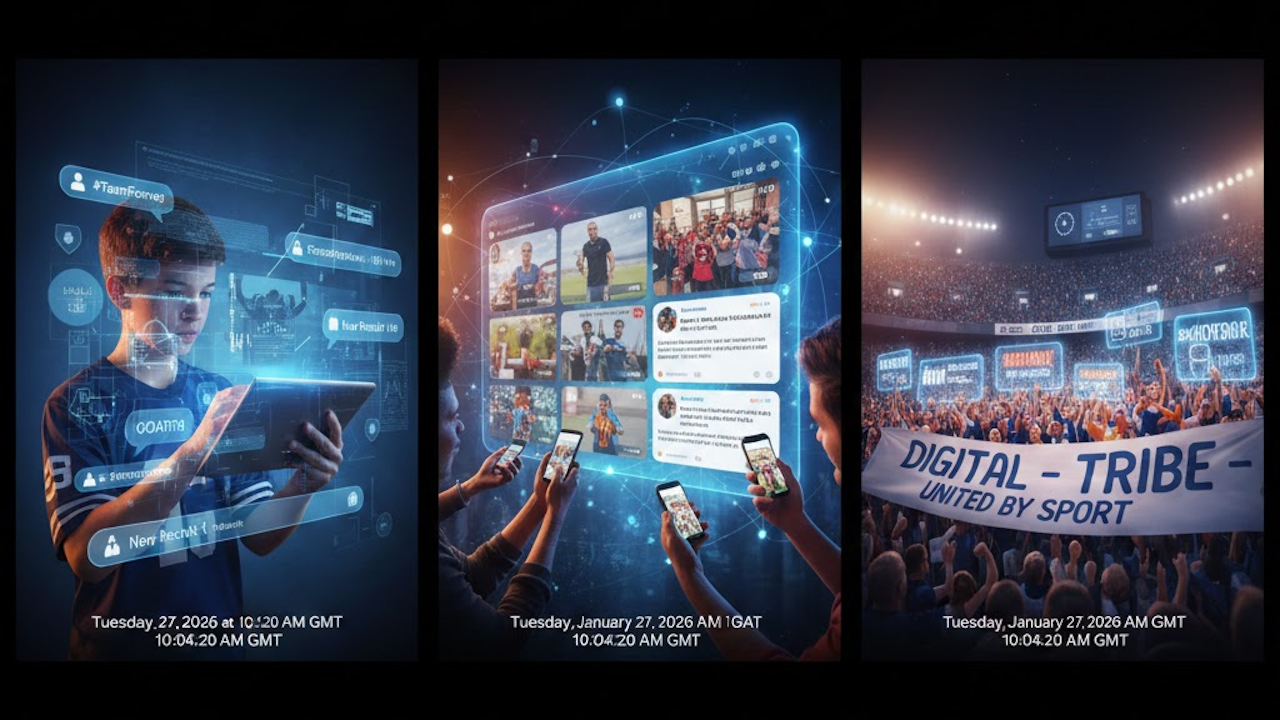
The evolution of social media has significantly reshaped the sports industry, providing fans with unprecedented access to their favorite teams and athletes. In the past, traditional media outlets such as newspapers, television, and radio were the primary means of information exchange, creating a one-way communication channel that limited interaction between fans and sports teams. However, with the advent of social media platforms like Twitter, Facebook, Instagram, and TikTok, the dynamics of fan engagement have undergone a dramatic transformation.
Social media’s rise can be traced back to the early 2000s when platforms started gaining popularity. Initially, fans used these emerging sites to connect with one another and share their passion for sports. As these platforms evolved, teams and athletes recognized their potential to engage directly with their audience. The immediacy of social media allows teams to announce news, share updates, and promote events in real-time, which was not possible with traditional media.
Today, social media serves as a vital tool for building and maintaining team loyalty. Fans can follow their favorite teams on various platforms, offering a more personalized experience and fostering deeper connections. The ability to interact with athletes through comments and direct messaging also enhances the fan experience, making them feel valued and recognized. Furthermore, user-generated content has become a crucial aspect of sports marketing. Fans now share highlight reels, memes, and commentary, further amplifying the reach and visibility of sports teams.
In summary, the progression from traditional media to social media has drastically altered how fans experience sports. The current landscape is heavily influenced by technology, making the relationship between fans and teams more dynamic and interactive. This interchange continues to evolve, setting new standards for fan engagement and loyalty within the sports community.
Building an Online Community: Fan Interaction and Engagement
In the contemporary sports landscape, social media serves as a vital tool for fostering community among fans. Through platforms such as Facebook, Twitter, Instagram, and TikTok, sports teams are able to interact directly with their supporters, creating an environment of engagement that transcends traditional boundaries. This interaction often begins with content sharing, where teams post news, updates, and highlights, thereby keeping supporters informed and engaged with current events surrounding their favorite athletes and teams.
Additionally, live updates during games not only allow fans to stay connected in real-time but also encourage them to participate in discussions surrounding the unfolding events. This level of engagement can be further enhanced through the use of polls and surveys, which invite fans to express their opinions on various topics, such as game strategies or player performances. By actively involving their audience, sports teams not only build a sense of community but also gain valuable insights into their fan base’s preferences and sentiments.
Encouraging fan-generated content is another essential aspect of community building. Fans often share their own experiences, such as attending games or attending promotional events. By highlighting these contributions on their official channels, teams can cultivate a stronger affiliation with their supporters. This mutual recognition solidifies loyalty and enhances engagement, further enriching the team’s online community. Analytics and engagement metrics, such as likes, shares, and comments, provide sports teams with critical feedback on their interaction strategies. By monitoring these metrics, teams can adjust their social media approaches to optimize fan experiences, ensuring that their online presence remains relevant and appealing. Ultimately, the proactive use of social media by sports teams not only fortifies existing fan loyalty but also paves the way for the growth of a vibrant, interactive online community.
The Impact of Social Media Marketing on Team Loyalty
In recent years, social media has emerged as a transformative tool for sports teams aiming to bolster their fan loyalty. Through targeted marketing strategies, teams have harnessed the power of platforms such as Facebook, Twitter, Instagram, and TikTok to create deeper connections with their audience. This section delves into the innovative promotional campaigns that have become essential in developing brand loyalty among fans.
Promotional campaigns on social media often feature a multi-faceted approach, combining engaging content, interactive elements, and compelling storytelling. For instance, dynamic content featuring behind-the-scenes footage, player interviews, and game highlights not only retains the attention of existing fans but also attracts potential supporters. Furthermore, partnerships with brands and influencers amplify this reach, allowing teams to tap into wider audiences while aligning with entities that resonate with their fan base.
Another critical aspect of modern social media marketing is player endorsements. Professional athletes, often seen as the face of their teams, leverage their personal social media accounts to promote merchandise, ticket sales, and philanthropic initiatives. These endorsements carry significant weight due to the athletes’ personal brand equity, thereby reinforcing fans’ emotional ties to the team. The authenticity created through players sharing their experiences and aspirations can significantly enhance loyalty among followers.
Moreover, the advent of analytics has revolutionized how teams interact with their fans on social media. By utilizing advanced analytics, teams can assess engagement metrics, identifying which types of content resonate most effectively with their audience. This data-driven approach allows for the customization of targeted advertisements, ensuring that fans receive tailored marketing messages that reflect their interests and preferences. Such precision not only increases interactions but also cultivates a sense of belonging for fans, ultimately reinforcing their loyalty to the team.
Challenges and Controversies in the Digital Age of Sports Loyalty
The integration of social media into the sports landscape has created a platform where teams can engage with their fans more directly than ever before. However, this new digital age is not without its challenges. One significant issue is the presence of negative comments and trolling, which can undermine the perceived value of a sports team. Fans sometimes express their discontent publicly, leading to a hostile online environment that can affect the morale of both the team and its supporters.
Moreover, the rapid spread of misinformation poses a substantial challenge for sports organizations. False reports about player injuries, contract negotiations, or even team scandals can proliferate across platforms, often before teams have a chance to respond. This situation not only misleads fans but can also lead to significant repercussions for team loyalty. When misinformation leads to misunderstandings about player trades or management decisions, fans may feel alienated, damaging their connection with the team.
Additionally, navigating controversies and public relations crises has become more complicated in the age of social media. For instance, incidents involving players or team management can escalate quickly, resulting in public outrage and calls for accountability. How a sports team responds to such events can significantly sway fan loyalty. A well-handled response can enhance trust and support, while a poorly managed situation may result in long-lasting damage to the team’s reputation.
The implications of these challenges are profound. Teams must carefully cultivate their online presence to foster loyalty among fans while remaining vigilant against the potential for negative interactions. Achieving a balance between transparency and brand management is critical for maintaining strong ties with the fanbase, especially during turbulent times.