

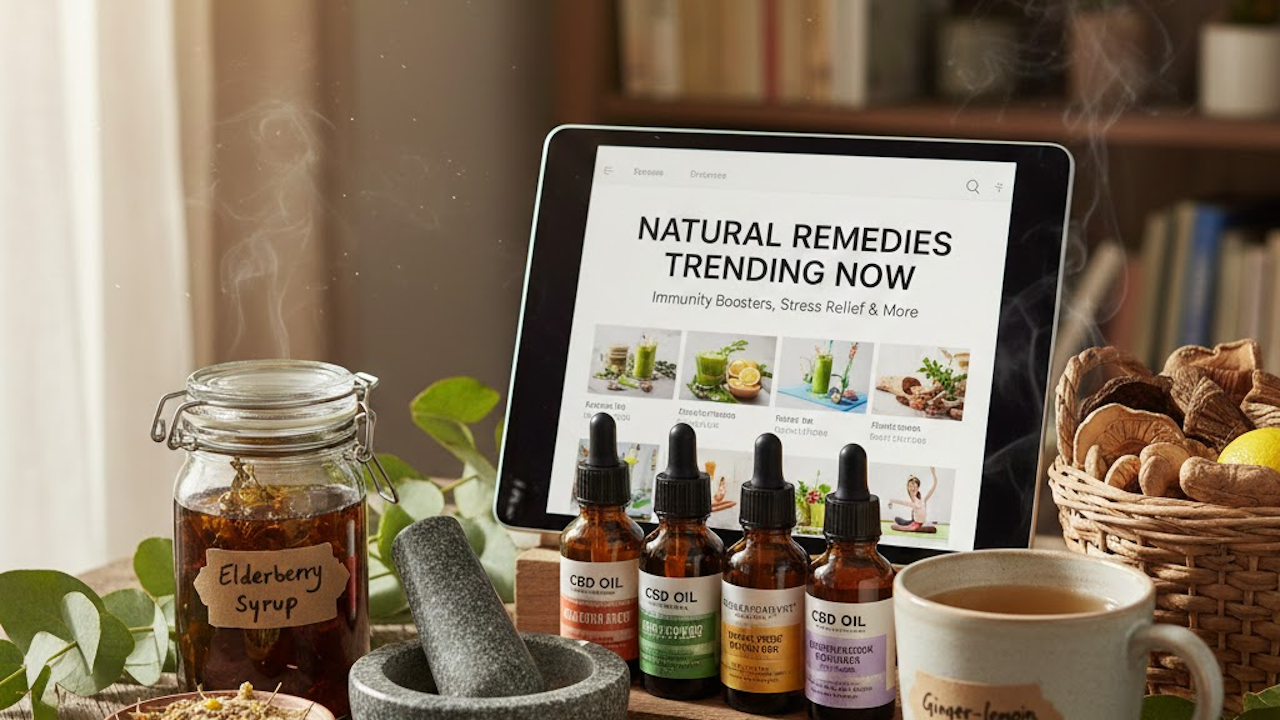
In the middle of 2026, interest in natural remedies continues to surge as people seek gentler ways to support everyday health. Rising concerns around chronic inflammation, stress, metabolic balance, sleep quality, and healthy aging have pushed many toward plant based options, traditional practices, and targeted supplements that feel more accessible than pharmaceuticals alone. Social platforms, retail data, and search trends reveal a clear pattern: consumers favor remedies with some scientific backing, cultural roots, and practical daily use. Turmeric leads the pack as the officially recognized Herb of the Year, while adaptogens, longevity compounds, gut supporters, and gentle movement practices fill out the landscape. This article explores the remedies generating the most momentum right now, what the evidence suggests, and how they fit into broader wellness shifts.
Turmeric and Curcumin Take Center Stage
Turmeric has earned the title of 2026 Herb of the Year from the International Herb Association, reflecting both its ancient heritage and growing modern research. The rhizome of Curcuma longa has been used for thousands of years in Ayurvedic and other traditional systems for wound care, digestion, and purification rituals. Its primary active compound, curcumin, modulates key inflammatory pathways in the body, including NF-κB, which acts as a central switch for inflammation.
Recent clinical observations show turmeric extract performing comparably to ibuprofen for knee osteoarthritis pain and mobility, often with fewer digestive side effects. Laboratory work supports benefits for irritated skin conditions such as dermatitis when used orally or topically. A 2025 meta analysis noted modest improvements in working memory and processing speed with bioavailable forms of curcumin. Emerging data also point to potential support for bone density when combined with standard therapies in postmenopausal women.
Bioavailability remains a practical consideration. Curcumin is poorly absorbed on its own, so many popular products pair it with black pepper extract (piperine), healthy fats, or specialized delivery systems such as liposomes or phytosomes. Turmeric appears in high strength capsules, golden milk blends, and functional beverages. Its ranking as a top selling supplement in major retailers underscores sustained demand for anti inflammatory support without relying solely on over the counter pain relievers.
Magnesium for Stress, Sleep, and Nervous System Balance
Magnesium, particularly in the glycinate form, ranks among the most searched and purchased mineral supplements. Modern lifestyles marked by high stress, screen time, and irregular schedules have elevated interest in this essential mineral. Glycinate forms are favored for their gentle absorption and association with calm and restorative sleep.
People turn to magnesium to ease muscle tension, support heart rhythm, and quiet an overactive nervous system. It plays roles in hundreds of enzymatic reactions, including those involved in energy production and neurotransmitter regulation. Search spikes and retail data from 2025 into 2026 show magnesium consistently near the top of ingredient searches, often alongside collagen and vitamin D. Many incorporate it into evening routines as a powder mixed into warm drinks or as capsules timed before bed.
While individual responses vary, consistent use at appropriate doses (typically guided by a healthcare provider) helps address common shortfalls in Western diets that rely heavily on processed foods. Pairing magnesium with lifestyle practices such as reduced caffeine later in the day amplifies its perceived benefits for sleep quality.
Adaptogens: Rhodiola, Ashwagandha, and Stress Resilience
Adaptogens remain a cornerstone of the natural remedies conversation. These herbs and roots help the body adapt to physical and mental stressors without acting as stimulants or sedatives in the classic sense. Rhodiola rosea stands out with strong year over year search growth exceeding 200 percent in recent tracking. Native to cold climates, it has traditional use in Scandinavian and Russian systems for combating fatigue and supporting mental performance under pressure.
Users report steadier energy and improved focus during demanding periods. Research points to its influence on stress hormone pathways and cellular energy production. Ashwagandha continues its popularity for similar reasons, with studies linking standardized extracts to reductions in perceived stress and support for cognitive domains in older adults with mild impairment. Both appear in capsules, powders, and increasingly in gummy or beverage formats designed for daily habit formation.
The broader adaptogen category benefits from a cultural shift toward nervous system regulation. Practices such as breathwork and somatic awareness often pair with these herbs, creating routines that address both physiological and psychological stress. Quality matters: look for standardized extracts with verified active compounds and third party testing to avoid underdosed products.
Functional Mushrooms and Cognitive Support
Lion’s mane, reishi, chaga, and cordyceps continue their rise in functional food and supplement form. These fungi offer beta glucans that support immune resilience alongside more specific effects. Lion’s mane draws attention for potential nerve growth factor support and cognitive clarity. Reishi is valued for calming properties and immune modulation. Blends appear in coffee alternatives, lattes, and capsules, with new flavors such as vanilla chai expanding accessibility.
Search and sales data show steady growth in the mushroom category as part of brain health and daily resilience strategies. People incorporate them into morning rituals for focus without the jitter of high caffeine products. While evidence remains strongest in preclinical and smaller human studies, the combination of traditional use and emerging data keeps demand high.
Metabolic Support: Berberine, Fiber, and Natural GLP-1 Interest
The widespread use of prescription GLP-1 medications has sparked intense interest in natural alternatives that may support metabolic health. Berberine, an alkaloid found in plants such as barberry and goldenseal, frequently appears in conversations as a plant based option. Research indicates it can improve insulin sensitivity, modestly reduce fasting glucose and lipids, and support modest weight and waist circumference reductions in some studies.
Mechanistically, berberine activates AMPK pathways more akin to metformin than to direct GLP-1 receptor agonists. Human trials show small but consistent metabolic benefits rather than the dramatic weight loss associated with medications. Doses around 1 gram daily appear in many protocols, though gastrointestinal tolerance varies and interactions with other drugs require caution. Many products now combine berberine with supportive compounds for better absorption or complementary effects.
Complementary fiber sources such as psyllium husk and emerging specialized fibers that may influence natural GLP-1 release also trend upward. High fiber intake supports satiety, digestive regularity, and microbiome balance, areas of particular relevance for those managing appetite or digestive changes. Prebiotics and probiotics further this focus on gut health, with multi strain formulas popular for overall resilience.
Longevity Compounds: NMN and Cellular Energy
Nicotinamide mononucleotide, or NMN, ranks high in longevity related searches. As a precursor to NAD+, a coenzyme central to cellular energy production, DNA repair, and mitochondrial function, NMN attracts those focused on healthspan. Human trials demonstrate that oral NMN raises blood NAD+ levels, with some studies in older adults noting improvements in walking speed, grip strength, and muscle related markers after weeks to months of use.
Animal research continues to explore effects on physical performance when combined with practices like time restricted eating. Safety data from shorter trials (up to several months) generally show good tolerability at common doses. NMN fits into a larger home biohacking trend that includes red light therapy and other tools aimed at cellular optimization. Consumers increasingly view it as part of a broader strategy rather than a standalone miracle.
Herbal Teas, Botanicals, and Rediscovered Plants
Traditional herbal teas enjoy renewed popularity through social discovery. Palo azul, a wood used in Mexican folk medicine, shows strong search growth for its mild diuretic and antioxidant associations. Butterfly pea flower offers striking blue color and mild calming effects, often blended into colorful drinks. Nettle tea, dandelion root, and clove oil also register increased interest for digestive, mineral, and antimicrobial support.
Essential oils follow a similar pattern. Neroli, distilled from bitter orange blossoms, has seen explosive search growth for aromatherapy use linked to mood and skin. Cyperus rotundus oil and blends of oregano with black seed oil attract attention for traditional antimicrobial applications. These botanicals thrive in the overlap between beauty, wellness, and ritual, appearing in baths, topical applications, and inhaled forms.
Movement and Thermal Practices as Natural Remedies
Not all trending remedies come in bottles. Tai chi walking has exploded in search volume, reflecting interest in gentle, accessible movement that combines balance, mindfulness, and low impact exercise. Particularly appealing to older adults and those seeking joint friendly activity, it supports mobility, stress reduction, and proprioception. Related forms of tai chi workouts show parallel growth.
Cold exposure has matured from viral plunges into more protocol driven practice. Optimal temperature ranges, frequency, and timing relative to training now dominate discussions. Research links regular immersion to reduced perceived fatigue and mood benefits. Bathhouses, portable saunas, and thermal contrast routines complement this interest in recovery and nervous system regulation.
Safety, Quality, and Realistic Expectations
Natural does not automatically mean risk free. Interactions with medications, variable product quality, and individual sensitivities require attention. Turmeric can affect blood clotting. Berberine may influence drug metabolism. High dose minerals or herbs can cause digestive upset. Third party testing for purity, potency, and contaminants offers one practical filter. Consulting a qualified healthcare provider remains essential, especially for those with existing conditions, pregnancy, or complex medication regimens.
Evidence levels differ widely. Some remedies rest on robust clinical trials, others on traditional use plus preliminary data. Marketing claims often outpace the research. Viewing these options as supportive tools within a foundation of sleep, movement, nutrition, and stress management produces the most sustainable results.
Looking Ahead
The 2026 landscape of natural remedies reflects a thoughtful blending of heritage and science. Turmeric’s recognition as Herb of the Year symbolizes this convergence. Adaptogens address the pervasive stress of contemporary life. Metabolic and longevity compounds respond to broader conversations about weight, energy, and aging. Herbal teas and gentle practices restore a sense of ritual and accessibility.
As data from retail, search, and clinical sources continue to accumulate, the most enduring remedies will likely be those that deliver measurable, repeatable support without excessive hype. Consumers who approach them with curiosity, critical evaluation, and professional guidance stand to gain the most. Nature offers a rich toolkit. Using it wisely remains the enduring challenge and opportunity.