

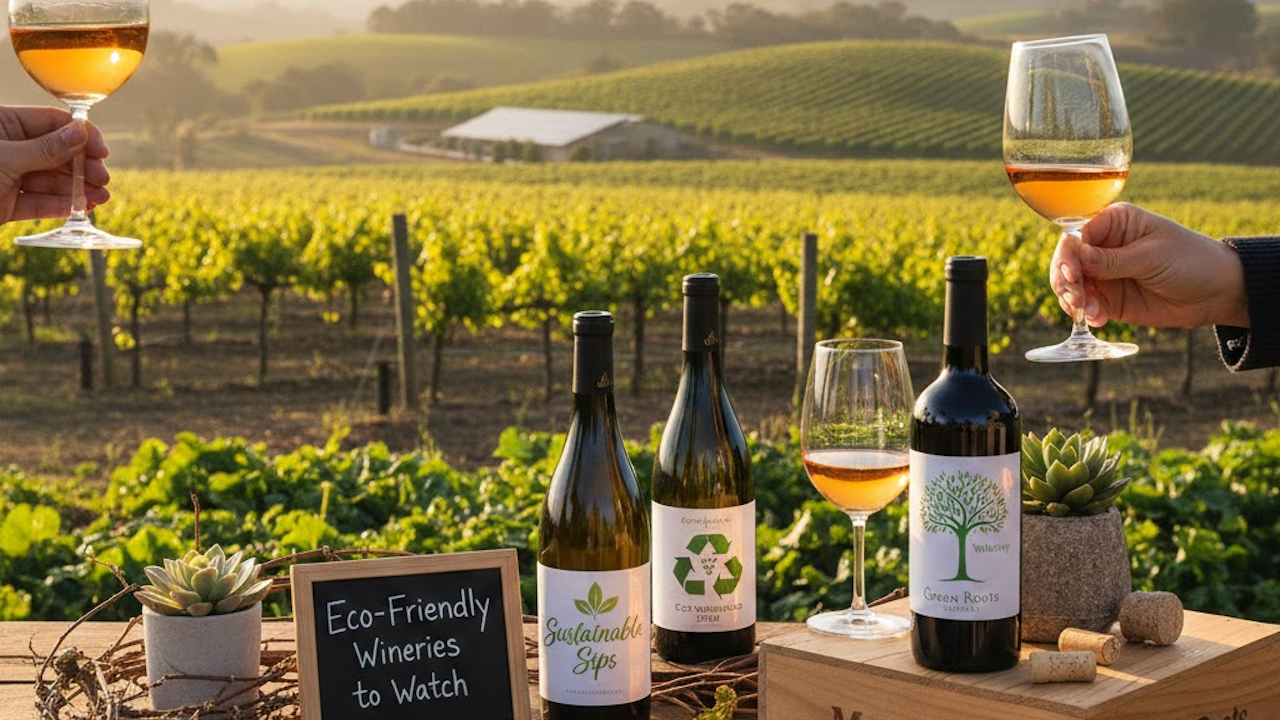
The global wine industry faces mounting pressure from climate change, water scarcity, soil degradation, and shifting consumer expectations. Rising temperatures alter ripening patterns and increase disease pressure in many classic regions, while conventional farming’s reliance on synthetic chemicals and intensive tillage has long-term costs for ecosystems and communities. In response, a growing number of producers have moved beyond minimal compliance toward farming systems that actively restore soil health, enhance biodiversity, sequester carbon, and support fair labor practices. Organic, biodynamic, and regenerative approaches are no longer niche experiments. They represent a practical path to resilience and often yield wines of greater site expression and vitality.
These methods share common ground yet differ in rigor and philosophy. Certified organic farming prohibits synthetic pesticides, herbicides, and fertilizers. Biodynamic farming, guided by Demeter standards, treats the vineyard as a closed, living organism. It incorporates specialized compost preparations, lunar and planetary calendars for timing field work, and deliberate integration of animals and diverse plantings. Regenerative organic certification goes further still. It audits three pillars: continuous improvement of soil health and carbon sequestration, high standards of animal welfare, and social fairness for farmworkers, including living wages and safe conditions. The result is not merely reduced harm but measurable ecological improvement.
Several estates stand out for the depth of their commitment, the scale of their impact, or the quality of the wines they produce. They illustrate that environmental responsibility and commercial success can reinforce each other.
Tablas Creek Vineyard, Paso Robles, California
In the Adelaida District of Paso Robles, Tablas Creek has become a global reference point for regenerative viticulture. Founded with cuttings imported from Château de Beaucastel in France’s Rhône Valley, the estate sits on calcareous clay soils at elevations between 1,400 and 1,600 feet. The long growing season and maritime influence allow careful, often multi-pass hand harvesting.
The vineyard has been farmed organically since its early years and received full organic certification in 2003. Biodynamic certification followed in 2017. In 2020 it became the world’s first Regenerative Organic Certified vineyard, later advancing to gold level. Practices include extensive cover cropping, on-site composting that reduces the need for sulfur, interplanted fruit trees and native vegetation, owl boxes, bee hives, and a rotational grazing flock of sheep, alpacas, and donkeys. Newer plantings are dry-farmed at lower densities to encourage deep root systems. These methods build organic matter, improve water retention, and foster biodiversity while producing focused, age-worthy Rhône-style blends and single-varietal wines.
Tablas Creek demonstrates that regenerative systems can operate successfully at a commercial scale in a warm, dry climate and that the resulting wines retain both intensity and elegance.
Troon Vineyard, Applegate Valley, Oregon
Troon Vineyard in southern Oregon’s Applegate Valley ranks among the earliest adopters of Regenerative Organic certification outside California. It was the first estate farm in Oregon and the second winery worldwide to achieve the status, later reaching gold level. The property layers Regenerative Organic standards over existing Demeter Biodynamic and CCOF organic certifications.
Farming emphasizes no-till practices, carbon sequestration, and a biodiverse permaculture system adapted to the Kubli Bench terroir. The approach aims to produce distinctive wines while restoring ecosystem function and addressing climate uncertainty. Troon was also among the first to feature the Regenerative Organic logo on its labels, helping raise consumer awareness.
By combining rigorous third-party verification with transparent labeling, Troon shows how smaller estates can lead industry conversations about soil health and climate adaptation.
King Estate, Willamette Valley, Oregon
King Estate operates the largest certified biodynamic vineyard in North America. Its 1,033-acre estate in the southern Willamette Valley functions as an integrated ecosystem of vines, woodlands, grasslands, wetlands, orchards, and berries. The property has been certified organic since 2002 and received Demeter biodynamic certification in 2016.
A 1,000-ton compost operation supplies biodynamic preparations. The estate’s scale allows meaningful production of Pinot Noir, Pinot Gris, and other cool-climate varieties from fully biodynamic fruit while supporting a broader vision of sustainability that includes habitat preservation. Oregon already hosts more biodynamic vineyards than any other U.S. state, and King Estate’s size and visibility amplify the model’s influence.
Large-scale biodynamic farming at this level proves that holistic practices need not remain limited to boutique producers.
Benziger Family Winery, Sonoma Mountain, California
Benziger has practiced biodynamic farming on its Sonoma Mountain home ranch for decades and holds Demeter certification across its estate vineyards. The family views the property as a single living organism. Sheep graze cover crops, aerate soil, and provide natural fertilizer. Scottish Highland cattle recycle grasses and enrich the land. Owl boxes, bluebird nests, and an extensive insectary garden with more than 250 plant varieties support natural pest control. An olive grove produces estate biodynamic olive oil.
The winery also holds California Certified Organic Farmers and California Sustainable Winegrowing Alliance certifications. Visitors can take a biodynamic tram tour that highlights these elements. Benziger’s early adoption and educational outreach have helped normalize biodynamic methods in Sonoma and beyond.
The estate illustrates how biodiversity and animal integration can become central features of both farming and visitor experience.
Frey Vineyards, Redwood Valley, California
Frey Vineyards holds a foundational place in American organic and biodynamic wine. It was the first certified organic winery in the United States and, in 1996, the first to achieve Demeter biodynamic certification for no-sulfites-added wines. The family continues to farm regeneratively, using native yeast fermentations and avoiding added sulfites, sugar, or animal products in many bottlings.
Independent testing has confirmed the absence of detectable glyphosate in their wines, reinforcing consumer trust in the integrity of their practices. Frey demonstrates that pioneering standards can endure across generations and remain commercially viable.
Domaine Bousquet, Mendoza, Argentina
In the high-altitude vineyards of Tupungato and surrounding areas, Domaine Bousquet has grown into Argentina’s leading organic wine producer and one of the first outside the United States to earn Regenerative Organic certification. The estate farms more than 170 hectares under organic, regenerative, and biodynamic standards. Practices center on minimal tillage, cover crops, composting, and protection of pollinators to restore soil health and biodiversity.
As a major exporter of exclusively organic fruit, Domaine Bousquet shows that regenerative methods can scale in emerging New World regions and reach international markets at accessible price points.
Emiliana Organic Vineyards, Chile
Emiliana operates the world’s largest organic winery, with extensive plantings across Chilean regions including Casablanca. It was the first Latin American producer to achieve Demeter biodynamic certification for its wines and maintains commitments to Fair Trade and carbon neutrality. Practices include vermicomposting and other regenerative techniques that have earned industry recognition for organic initiative.
The scale of Emiliana’s organic production, combined with biodynamic elements and social certifications, makes it a significant force in making certified sustainable wine widely available.
Why These Estates Matter
Collectively these producers illustrate several important trends. Regenerative organic certification is expanding beyond its California origins into Oregon, Argentina, and other regions. Biodynamic practices have proven workable at both large and small scales. Integration of livestock, diverse plantings, and on-farm fertility cycles reduces external inputs while improving resilience to drought and temperature extremes. Transparent third-party verification builds consumer confidence and differentiates wines in a crowded marketplace.
The wines themselves often reward the approach. Many tasters note greater energy, purity of fruit, and sense of place in bottles from carefully managed regenerative and biodynamic vineyards. Whether this stems from healthier soils, lower yields, or simply more attentive farming remains open to discussion, yet the sensory results are increasingly difficult to ignore.
Consumers can support the movement by seeking certified bottles, visiting estates that offer educational tours, and asking retailers and restaurants about farming practices. Certifications provide useful signals, though thoughtful conventional growers also exist. The most meaningful progress occurs when producers treat the vineyard as a living system rather than an industrial input.
Looking ahead, climate pressures will continue to favor estates that build soil carbon, conserve water, and maintain genetic and biological diversity. The wineries highlighted here have already demonstrated that such systems can produce compelling wines while contributing to broader ecological and social goals. They deserve attention not only for what they bottle but for the models they offer the rest of the industry. Sustainable sips are becoming more than a marketing phrase. In the hands of these producers, they represent a practical and hopeful direction for wine’s future.