

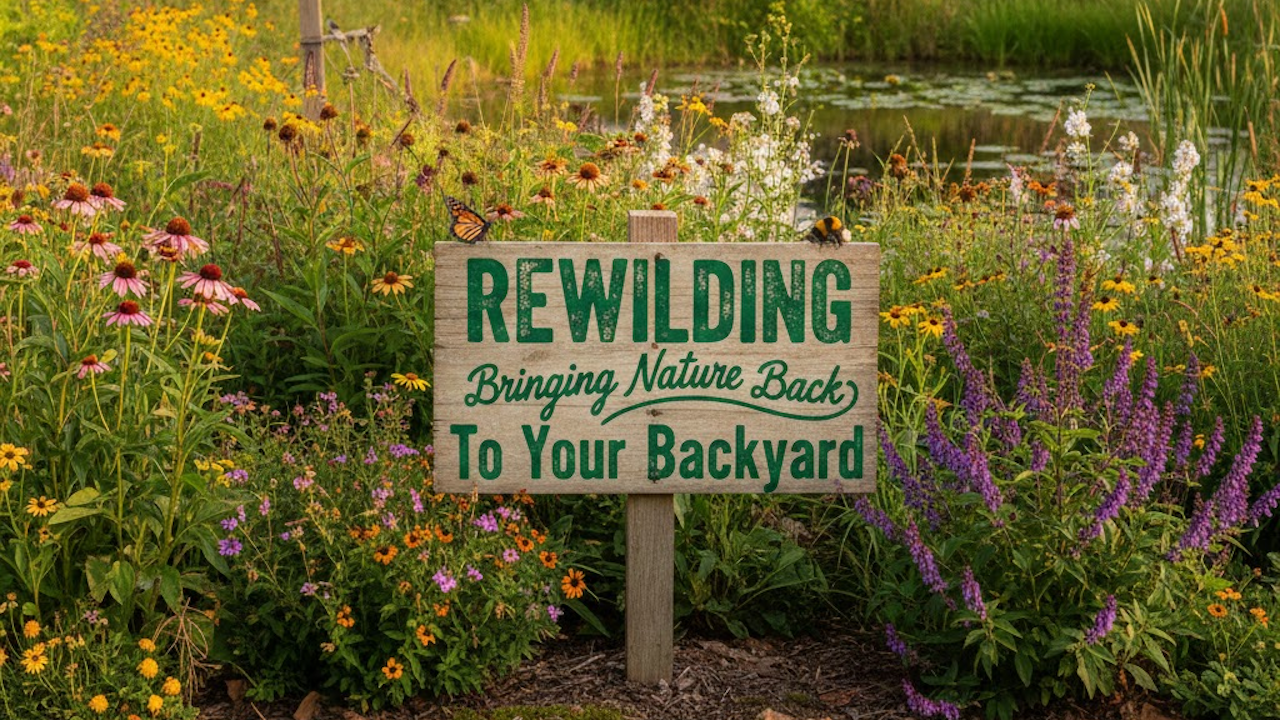
Understanding Rewilding: What It Means for Homeowners
Rewilding is an ecological approach that seeks to restore and protect natural processes and ecosystems through minimal human intervention. It involves allowing nature to reclaim areas that have been altered or damaged by human activity, thus promoting biodiversity and enhancing wildlife habitats. For homeowners, embracing rewilding principles means creating spaces that support local flora and fauna and contribute to the broader objectives of environmental sustainability.
The importance of rewilding extends beyond individual gardens. By encouraging rich ecosystems, homeowners play a crucial role in conserving biodiversity, which is essential for maintaining ecological balance. Furthermore, rewilding can significantly assist in combating climate change by improving carbon sequestration, reducing urban heat, and improving water retention in the soil. These benefits are invaluable in an era where environmental challenges are increasingly urgent.
Homeowners can begin their rewilding journey by making small but impactful changes in their backyards. Planting native species, allowing wildflowers to flourish, and creating habitats for local wildlife are effective ways to reconnect with nature. Moreover, reducing lawn areas and replacing them with diverse ecosystems enhances the aesthetic and ecological value of residential spaces. These actions not only invite biodiversity into one’s backyard but also provide personal well-being benefits such as improved mental health and a sense of connection to nature.
Globally, successful rewilding projects illustrate the potential of this movement. For example, the rewilding efforts in the Scottish Highlands have restored wildlife populations and rejuvenated natural ecosystems, serving as an inspiration for individuals and communities. By drawing from these examples, homeowners can realize that their contributions to rewilding can lead to meaningful environmental changes that resonate far beyond their immediate surroundings.
Steps to Rewild Your Backyard: A Practical Guide
Rewilding your backyard is a fulfilling endeavor that connects you with nature while promoting local biodiversity. The first step is to assess the current state of your property. Take note of existing plants, wildlife, soil quality, and sunlight exposure. This evaluation will enable you to identify areas where you can make significant changes. Engage all family members in this process, allowing everyone to contribute their observations and preferences.
Next, consider removing any invasive species that may dominate your landscape. These plants not only impede the growth of native flora but also disrupt local ecosystems. Research local invasive species and create a removal plan. Involving family members in this task can be educational; understanding the impact of non-native plants can help foster a deeper appreciation for native biodiversity.
After clearing invasive plants, it’s time to introduce native plants. Select species that are well-adapted to your local climate and soil composition. Pollinator-friendly plants, such as coneflowers and milkweed, can attract beneficial insects and birds, further enhancing the ecosystem. Planting in clusters rather than rows can also mimic natural growth patterns, encouraging wildlife to visit.
Creating habitats for wildlife is another critical aspect of rewilding. This could involve building birdhouses, installing bat boxes, or even constructing a small pond as a water feature. These habitats not only support local fauna but also create opportunities for family education and observation. Observing the changing dynamics in your backyard as various species visit can reignite a sense of awe and connection to nature.
Lastly, maintaining these natural features is essential. Regularly monitor the health of your plants and wildlife habitats. Involve family activities, such as planting seasonal flowers or maintaining pond cleanliness. By rewilding your backyard, you are not only enhancing your property but also cultivating a lasting bond with nature among your family members.
Native Plants and Wildlife: The Heart of Rewilding
In the context of rewilding, the choice of native plants plays a critical role in supporting local wildlife and enhancing the overall biodiversity of your backyard. Native flora, which has adapted to the local climate, soil, and wildlife, provides essential resources such as food and habitat for a variety of species. Incorporating these plants into your garden not only promotes a healthier ecosystem but also fosters a sense of place and community in nature.
One of the primary benefits of planting native species is their ability to attract pollinators, such as bees, butterflies, and hummingbirds, which are vital for the reproduction of many flowering plants. Additionally, birds and beneficial insects rely on native plants for shelter and nutrition. By selecting a range of native plants, you can create a vibrant ecosystem that supports different stages of life for various species. For example, milkweed is crucial for monarch butterflies, while elderberry can attract many bird species with its abundant fruits.
When planning your native planting strategy, consider regional diversity. This approach may involve selecting plants that thrive in your specific climate and soil type, ensuring that each variety complements the others. Some recommended native plants include:
– Echinacea purpurea (Purple Coneflower) for attracting butterflies
– Asclepias tuberosa (Butterfly Weed) to support monarchs
– Rudbeckia hirta (Black-eyed Susan) for vibrant color and attracting pollinators
– Symphyotrichum novae-angliae (New England Aster) great for late-season nectar
– Amelanchier canadensis (Serviceberry) ideal for birds.
By implementing a diverse planting strategy with these native plant choices, you will not only enhance your garden’s beauty but also revitalize the local ecosystem, making your backyard a haven for wildlife.
The Long-Term Benefits of Rewilding: More Than Just Aesthetic
Rewilding, the process of restoring natural habitats in order to promote biodiversity, offers profound long-term benefits that extend far beyond mere visual appeal. One of the significant ecological benefits of rewilding is improved soil health. By allowing native plants to flourish, rewilding contributes to the restoration of soil structure and nutrient levels. Native plants are well-adapted to local conditions, and their deep root systems prevent soil erosion while enhancing its ability to retain moisture. This revitalization ultimately leads to a healthier ecosystem that can support a variety of wildlife.
In addition to bolstering soil health, rewilding plays a crucial role in carbon sequestration. Forests, wetlands, and grasslands act as carbon sinks; they absorb carbon dioxide from the atmosphere, thus mitigating climate change. By transforming conventional lawns or gardens into biodiverse landscapes, homeowners can significantly contribute to this ongoing battle against greenhouse gases. Furthermore, the increase in plant life aids in enhancing water retention in the soil, reducing the need for artificial irrigation systems.
Beyond ecological advantages, the psychological benefits of rewilding cannot be overlooked. Numerous studies have highlighted the link between natural environments and improved mental health outcomes. Spending time in rewilded spaces can alleviate stress, enhance mood, and foster a sense of well-being. Testimonials from individuals who have successfully transformed their backyards into thriving ecosystems often highlight feelings of peace and connection to the earth. Their experiences underscore the vital importance of interacting with nature as a means to promote mental health.
By embracing rewilding practices, homeowners not only contribute to ecological health but also cultivate a nurturing space for personal well-being. This holistic approach underscores that rewilding is indeed about creating a fulfilling relationship with the environment that benefits both nature and humans.