

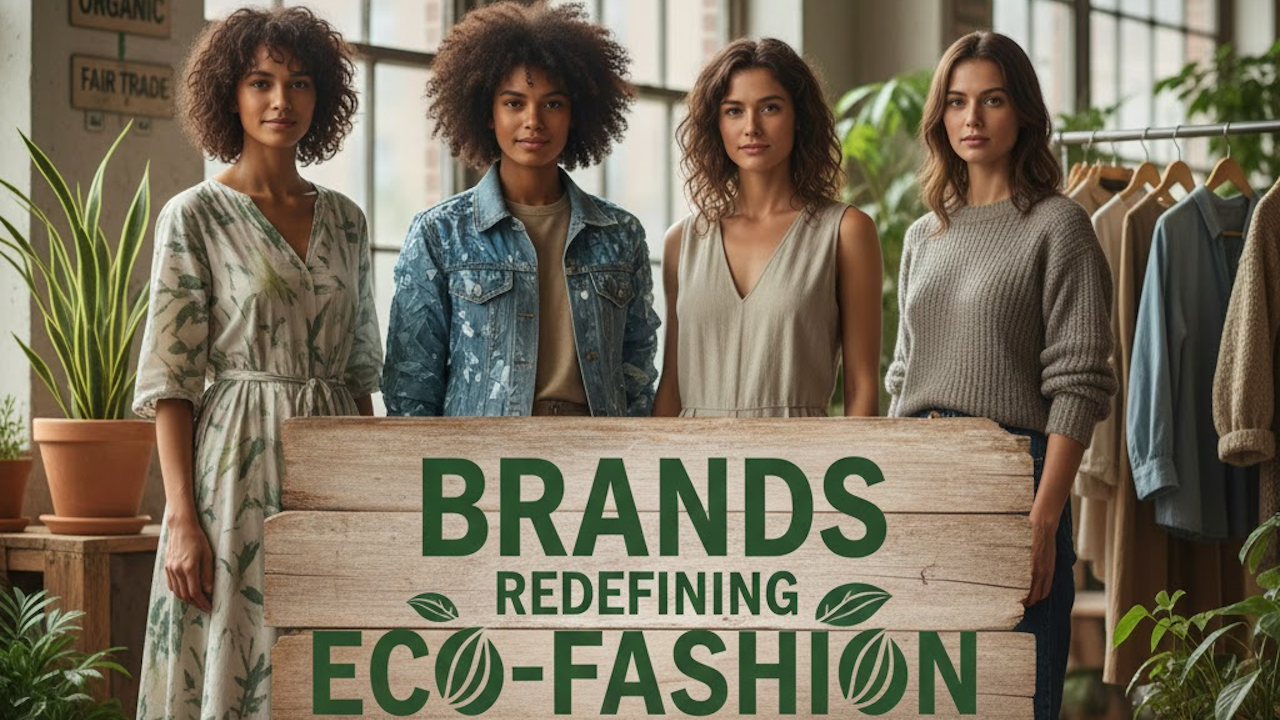
The fashion industry has long been one of the largest polluters on the planet, contributing significantly to carbon emissions, water waste, and landfill overflow through fast production cycles and synthetic materials. Yet a growing number of brands are challenging this status quo by embracing sustainability as a core principle rather than a marketing afterthought. These pioneers in eco-fashion are redefining what it means to create stylish clothing that respects both people and the environment. From using recycled materials to implementing circular business models, they prove that high-quality design and environmental responsibility can coexist.
This shift toward eco-fashion is driven by increasing consumer awareness and regulatory pressures. Shoppers today demand transparency about supply chains, material sourcing, and labor practices. Brands that fail to adapt risk losing relevance. In response, leaders in the space are innovating with regenerative agriculture, bio-based fabrics, repair programs, and take-back initiatives. Their efforts not only reduce environmental harm but also set new industry standards for ethical production.
Patagonia: The Outdoor Icon Leading by Example
Patagonia stands out as one of the most influential brands in sustainable fashion. Founded with a mission to protect the planet, the company has consistently pushed boundaries in environmental stewardship. It uses recycled materials extensively, with preferred materials including recycled inputs making up a large portion of its collections. By fall 2025, the brand had nearly eliminated virgin polyester and nylon, relying instead on recycled alternatives for the vast majority of its products.
Patagonia invests heavily in fair labor practices, with more than 90 percent of its products made in Fair Trade Certified factories, benefiting tens of thousands of workers. The company supports regenerative agricultural practices for materials like cotton and participates in initiatives to cut emissions across its supply chain. Its repair programs and secondhand marketplace, Worn Wear, encourage customers to extend the life of garments rather than discard them.
Beyond product design, Patagonia donates a percentage of sales to environmental causes through its 1% for the Planet commitment. It has released detailed impact reports acknowledging challenges, such as difficulties in meeting aggressive emissions reduction targets, while highlighting successes like eliminating certain harmful chemicals from fabrics. This transparency builds trust and inspires other companies to follow suit. Patagonia’s durability-focused designs mean items like fleeces and jackets last for years, reducing the need for frequent replacements.
Stella McCartney: Luxury Meets Cruelty-Free Innovation
In the luxury sector, Stella McCartney has pioneered vegan and sustainable high fashion since launching her brand. She avoids leather and fur entirely, opting instead for innovative alternatives that maintain elegance without environmental or animal harm. The brand experiments with bio-based materials and recycled fabrics, collaborating with biotech firms to develop new textiles.
Stella McCartney emphasizes circularity through take-back programs and a focus on timeless designs that transcend seasonal trends. Her collections often feature organic or recycled cotton, Tencel, and other low-impact fibers. The brand’s commitment extends to supply chain transparency and reducing carbon footprints at every stage of production. Partnerships, such as those with high-street retailers, help bring sustainable practices to a broader audience.
By proving that luxury can thrive without compromising ethics, Stella McCartney influences larger conglomerates and sets a benchmark for what responsible premium fashion can achieve. Her approach demonstrates that sustainability enhances creativity rather than limiting it.
Reformation: Stylish Sustainability for the Modern Consumer
Reformation has gained popularity among younger shoppers for its trendy yet responsible clothing. The brand prioritizes low-impact materials such as organic cotton, Tencel, and recycled fabrics while aiming for 100 percent use of recycled, regenerative, or renewable materials. It powers operations with renewable energy and maintains strict standards for water and chemical use in dyeing processes.
Repair services and take-back programs help keep garments out of landfills. Reformation also focuses on traceability and fair labor through certifications and supplier engagement. Its designs blend vintage inspiration with contemporary styles, appealing to those who want fashion-forward pieces without the guilt of fast fashion. By producing in smaller batches and using deadstock materials, the brand minimizes overproduction.
Reformation’s success shows that eco-fashion does not have to sacrifice aesthetics or affordability for the average consumer. It continues to expand its offerings while maintaining rigorous sustainability metrics.
Eileen Fisher: Timeless Design and Circular Systems
Eileen Fisher is known for minimalist, versatile clothing made from high-quality natural fibers like organic cotton and linen. The brand operates a robust take-back program where customers return old garments for resale or upcycling into new pieces. This closed-loop system reduces waste and promotes longevity.
Fair trade practices and a commitment to B Corp standards underscore its ethical approach. Eileen Fisher invests in regenerative farming and transparent reporting on its environmental and social impacts. Its focus on classic silhouettes ensures pieces remain relevant for decades, countering the throwaway culture prevalent in the industry.
Allbirds and Veja: Footwear Innovators
Sustainable fashion extends beyond apparel into accessories and footwear. Allbirds creates sneakers from natural materials such as Merino wool and eucalyptus fibers. The brand achieves carbon-neutral production and maintains full supply chain transparency. Its comfortable, minimalist designs have broad appeal.
Veja produces sneakers using fair-trade rubber, organic cotton, and other responsibly sourced materials. The company discloses production costs and prices openly, fostering consumer trust. By minimizing waste and supporting local communities in material sourcing, Veja demonstrates how ethical practices can scale in competitive categories.
Emerging and Niche Players Expanding the Movement
Several other brands contribute meaningfully to eco-fashion’s evolution. Pact offers affordable organic cotton basics with fair trade certification. Girlfriend Collective transforms recycled plastic bottles into activewear. Outerknown, founded by Kelly Slater, incorporates recycled and organic materials into surf-inspired apparel. Nudie Jeans provides free lifetime repairs on its organic cotton denim.
Pangaia experiments with innovative natural materials for contemporary streetwear. MATE the Label focuses on cozy organics and circular practices. These brands often achieve B Corp status and participate in 1% for the Planet, showing that sustainability can thrive across price points and styles.
Key Innovations Driving Change
Eco-fashion leaders share several groundbreaking approaches. Many invest in regenerative agriculture, which improves soil health and sequesters carbon while producing better raw materials. Recycled and bio-based fabrics reduce reliance on virgin petroleum resources. Chemical management programs, such as Bluesign certification, minimize toxic dyes and effluents.
Circular business models, including repair, resale, and recycling programs, address the end-of-life problem for clothing. Blockchain and other traceability technologies allow consumers to verify claims about origins and impacts. On-demand and made-to-order production cuts down on excess inventory and waste.
Brands also collaborate on industry-wide initiatives, such as shared recycling infrastructure and science-based emissions targets. These collective efforts accelerate progress beyond what any single company could achieve alone.
Challenges and the Road Ahead
Despite impressive advances, significant challenges remain. Scaling sustainable materials without compromising quality or increasing costs continues to test brands. Supply chain complexities make full traceability difficult, especially for smaller players. Emissions reductions often lag behind ambitious goals due to the energy-intensive nature of textile production and global logistics.
Greenwashing persists as a problem, requiring consumers to scrutinize certifications like GOTS, OEKO-TEX, and Fair Trade. Economic pressures from fast fashion competition can tempt compromises. Regulatory landscapes vary by region, complicating compliance for international brands.
Nevertheless, the momentum is positive. Consumer demand, investor interest in ESG factors, and technological breakthroughs in material science continue to propel the sector forward. Brands that integrate sustainability holistically, from design to disposal, are best positioned for long-term success.
Why Supporting These Brands Matters
Choosing eco-fashion brands supports more than just better clothing. It bolsters fair wages for workers, protects ecosystems, and reduces the fashion industry’s overall footprint. Each purchase sends a signal to the market that responsibility is a priority. Over time, this collective action normalizes sustainable practices and pressures laggards to improve.
Education plays a vital role. Consumers who understand certifications, material impacts, and business models can make informed decisions. Renting, swapping, and caring for garments properly further extend their lifecycle.
Conclusion: A Fashion Future Worth Wearing
Brands like Patagonia, Stella McCartney, Reformation, and many others are not merely participating in eco-fashion; they are actively redefining it. Through innovation, transparency, and unwavering commitment, they demonstrate that style and sustainability are compatible goals. Their work inspires the broader industry to move away from exploitation toward regeneration.
As more companies adopt these principles, the vision of a truly circular and ethical fashion system comes closer to reality. Shoppers have the power to accelerate this transformation by supporting leaders who align profits with planetary health. The clothes we wear tell a story about our values. By choosing thoughtfully, we can ensure that story is one of positive change and respect for the world we share. The future of fashion is greener, more equitable, and more beautiful because of these trailblazers.