

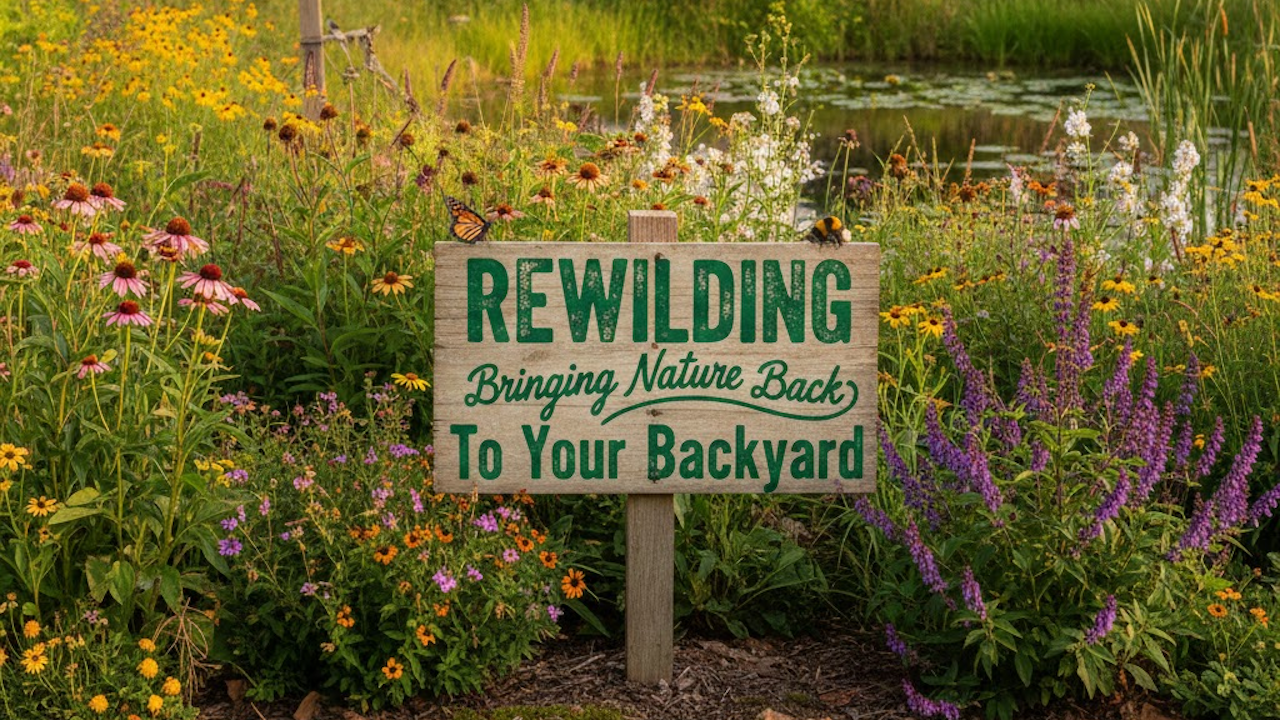
In an era of rapid urbanization and environmental decline, many homeowners are discovering a powerful way to make a difference right outside their doors. Rewilding your backyard involves restoring natural processes and habitats in small urban or suburban spaces. It shifts from manicured lawns and exotic ornamentals toward native plants, wildlife support, and minimal intervention. This approach reconnects people with the natural world while addressing biodiversity loss, climate impacts, and personal well-being.
Understanding Rewilding
Rewilding originally describes large-scale conservation efforts to restore ecosystems by reintroducing species, removing barriers, and allowing nature to lead. Projects like Knepp Wildland in the United Kingdom or initiatives in Patagonia demonstrate how letting land regenerate can revive wildlife populations and ecological functions.
In the context of a backyard, rewilding adapts these principles to smaller scales. It is not about complete abandonment or creating chaos. Instead, it means creating conditions for native flora and fauna to thrive. Homeowners reduce chemical use, plant local species, and provide habitats like ponds, log piles, and undisturbed areas. Even a balcony or window box can contribute.
This movement builds on nature-based solutions that combat habitat fragmentation. Cities and suburbs often create isolated green patches. Backyard rewilding turns private yards into connected stepping stones for pollinators, birds, and small mammals.
The Benefits of Backyard Rewilding
The advantages extend far beyond aesthetics. Rewilded spaces boost biodiversity by supporting insects, birds, and other animals that have declined due to habitat loss. Native plants host specific insects that feed birds and other wildlife. Keystone plants, which support a wide array of species, amplify these effects dramatically.
Soil health improves as well. Reducing mowing and chemicals allows microbial life to flourish. Healthier soil sequesters carbon, aiding climate efforts. Wilder gardens absorb more rainwater, reducing flooding risks and improving water quality.
For homeowners, rewilding means less maintenance. Fewer mows, less watering, and no need for fertilizers or pesticides save time and money. Many report greater enjoyment from observing wildlife, which benefits mental health and fosters a sense of stewardship.
On a broader scale, widespread backyard rewilding creates urban green corridors. These networks enhance ecosystem resilience against climate change and support migratory species. Collective action by neighbors can transform neighborhoods into vibrant habitats.
Getting Started: Practical Steps for Your Backyard
Rewilding does not require a complete overhaul. Start small and build gradually. Here is a step-by-step approach based on expert guidance.
Observe What Is Already There
Begin by spending time in your yard. Note existing plants, insects, birds, and soil conditions. Identify sunny and shady spots, wet areas, and any wildlife activity. This baseline helps make informed decisions. Many native species may already be present but suppressed by mowing or chemicals.
Stop Using Chemicals
Eliminate synthetic fertilizers, pesticides, and herbicides. These harm pollinators and soil life. Transition gradually if needed. Opt for organic alternatives or let natural balances emerge. This single change often leads to rapid increases in beneficial insects.
Rewild Your Lawn
Lawns are resource-intensive monocultures. Reduce mowing frequency or designate areas as no-mow zones. Participate in initiatives like No Mow May to let flowers bloom for early pollinators. Over time, replace sections of turf with native grasses, wildflowers, or meadows.
Consider paths or seating areas to maintain accessibility. Patchy or layered plantings create visual interest while supporting diversity.
Plant Native Species
Choose plants suited to your region. Local nurseries, extension services, or native plant societies provide lists. Focus on keystone species such as certain oaks, willows, or milkweeds that support many insects. Include a mix of trees, shrubs, perennials, and ground covers for year-round interest and habitat.
Layer vegetation: tall trees for canopy, mid-level shrubs, and low perennials. This mimics natural ecosystems and provides food and shelter at different heights.
Create Habitats and Features
Add elements like birdhouses, bat boxes, and insect hotels. Pile logs and leaves for ground-dwelling creatures. Build a small pond or wetland area, which ranks among the most beneficial additions for amphibians, insects, and birds.
Leave dead wood and stems standing where safe. Decay recycles nutrients and offers nesting sites. Reduce tidiness to embrace natural cycles.
Manage Water Wisely
Capture rainwater with barrels or rain gardens. Native plants require less irrigation once established. Mulch to retain moisture and suppress weeds.
Remove Invasive Species
Identify and control non-native invasives that outcompete locals. Replace them with appropriate natives. This step requires ongoing attention but yields significant ecological gains.
Build Community
Share your efforts with neighbors. Signs explaining your wildlife garden can reduce complaints and inspire others. Community projects multiply impact.
Challenges and How to Overcome Them
Rewilding comes with hurdles. Neighbors may view wilder yards as unkempt. Address this through education, clear paths, and attractive plantings. Local ordinances sometimes restrict tall grass or native gardens. Check regulations and seek certifications like those from the National Wildlife Federation to demonstrate legitimacy.
Initial establishment can be labor-intensive. Weeds may proliferate before natives dominate. Patience and targeted mulching or hand-weeding help. Pests or disease concerns arise without chemicals, but diverse plantings create natural checks and balances.
Climate and soil variations demand tailored approaches. What works in one region may fail in another. Research local conditions thoroughly.
Costs for plants or features can add up, but many projects start free with seeds, divisions from friends, or volunteer programs. Long-term savings offset upfront investments.
Wildlife may include unexpected visitors like deer or rodents. Balance habitat creation with protection for vulnerable plants using fencing or repellents where necessary.
Success Stories
Real-world examples illustrate the potential. A couple in the United States transformed their property into a wildlife haven over several years. They planted natives, created meadows, and engaged neighbors, turning initial skepticism into community support.
In Louisiana, gardeners use native plants suited to humid conditions to create thriving habitats. Similar efforts across regions show rapid returns of butterflies, bees, and birds.
Urban projects demonstrate that even small plots matter. Balconies with native containers attract pollinators. Schoolyards and community gardens contribute to larger networks.
Certification programs recognize these efforts, providing motivation and resources. Many participants report deeper connections to their local ecology.
Long-Term Vision and Global Context
Backyard rewilding complements larger conservation. While big projects reintroduce apex predators and restore vast lands, small actions aggregate into meaningful change. Urban rewilding addresses the reality that most people live in developed areas.
It aligns with broader goals like carbon sequestration, flood mitigation, and health improvement through nature access. As climate pressures mount, these resilient, low-input spaces offer practical adaptation strategies.
Education plays a key role. Learning about local ecology deepens appreciation and improves outcomes. Books, online resources, and local groups provide ongoing support.
Conclusion: Your Role in Restoration
Rewilding your backyard is an accessible, impactful step toward ecological repair. It requires shifting mindsets from control to collaboration with nature. The results include buzzing pollinators, singing birds, healthier soil, and personal satisfaction.
Start with observation and small changes. Over seasons, your space will evolve into a dynamic ecosystem. Each native plant added, each chemical avoided, and each habitat feature installed contributes to a larger movement.
In a world facing environmental challenges, backyard rewilding empowers individuals. It proves that meaningful conservation happens at home. By bringing nature back to your backyard, you participate in healing the planet one plot at a time. The wilder your space becomes, the more alive it feels, reminding us that humans and nature thrive together when given the chance.