

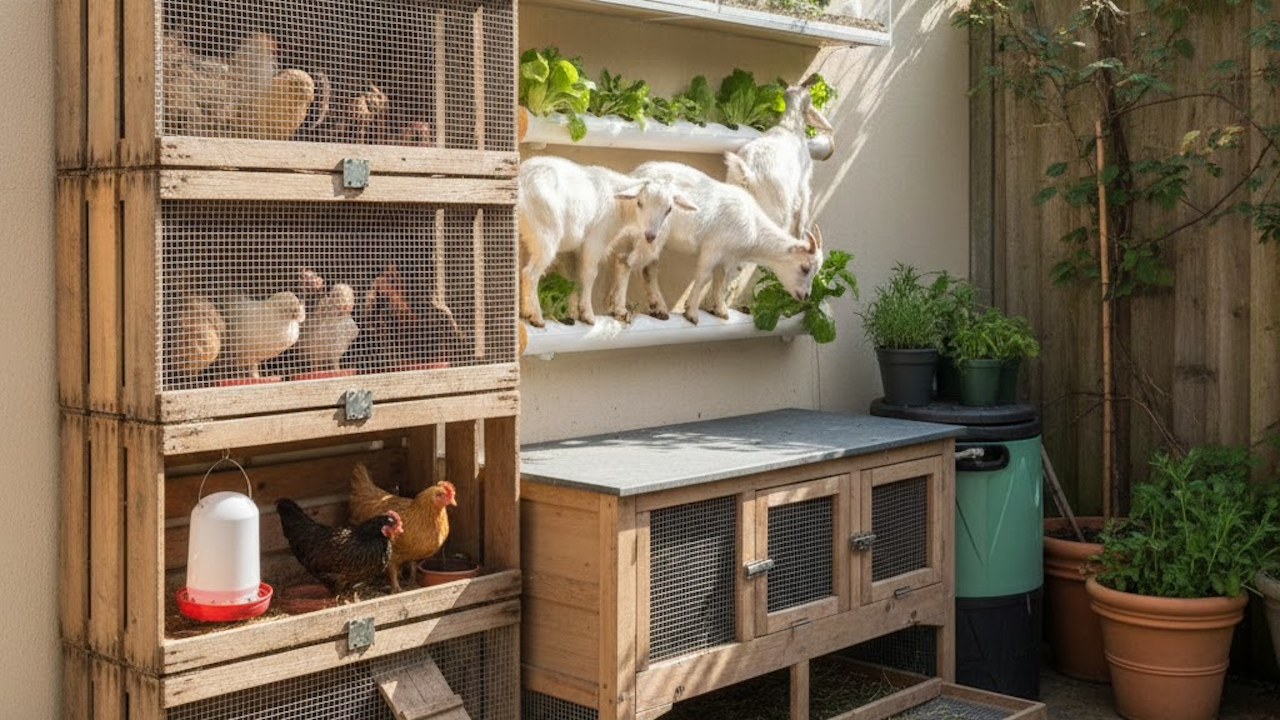
Raising animals in small spaces can significantly contribute to a sustainable lifestyle, especially in urban environments. Urban farming, with its emphasis on integrating agriculture into city life, allows individuals to take control of their food sources, promoting a sense of security and agency over one’s nutrition. By keeping small livestock such as chickens, rabbits, or even bees, urban dwellers can cultivate fresh food right at home, reducing reliance on commercially produced agricultural products.
Another remarkable advantage of urban animal husbandry is its potential to enhance mental well-being. Engaging in the care of animals fosters a routine and creates opportunities for physical activity, which are essential components for good mental health. The simple acts of feeding, grooming, or interacting with pets can create a nurturing experience that reduces feelings of stress and anxiety. This interaction also promotes a sense of companionship, easing the loneliness that is often exacerbated in bustling city environments.
Moreover, raising animals can play a vital role in enhancing urban biodiversity. Small-scale animal husbandry allows for the cultivation of a variety of species that may otherwise be absent in densely populated areas. This diversity is crucial, as it helps create balanced ecosystems, supports pollinator populations, and can lead to improved environmental health. By incorporating animals into urban settings, residents contribute to a more vibrant ecological landscape.
In essence, the practice of raising animals in small spaces provides numerous benefits, from ensuring access to fresh food to promoting mental health and supporting urban biodiversity. These advantages highlight the essential role urban farming plays in creating a sustainable future and fostering a deeper connection with nature in the modern world.
Choosing the Right Animals for Your Space
When considering urban farming in small spaces, it is essential to choose the right animals that can thrive in limited environments. Chickens, rabbits, and fish are among the most popular options for those looking to raise animals in compact areas.
Chickens are often the go-to choice for small-scale farming due to their dual purpose of providing both eggs and meat. A small flock of hens requires a space of approximately 10 square feet for a coop and an outdoor run. Importantly, chickens are generally low-maintenance and can adapt well to urban living, particularly if provided with a proper diet, sufficient water, and a secure shelter. Furthermore, they also contribute to the garden ecosystem by producing manure that can be composted to enrich soil.
Rabbits present another excellent option for urban farming. They require less space compared to larger livestock, needing only around 2 to 3 square feet per rabbit in a hutch. Rabbits are highly productive, producing both meat and fur, plus they have a lower feed-to-meat conversion ratio compared to most other livestock. Their gentle disposition and small size make them suitable for families or individuals looking to integrate animals into their urban lifestyle.
For those with extremely limited space, fish can be a viable choice, particularly through aquaponics systems that combine fish farming with plant cultivation. Fish such as tilapia or goldfish require a well-maintained tank that can range from 10 to 50 gallons, depending on the fish species and the number being raised. Beyond providing a sustainable source of protein, fish tanks can also enhance indoor aesthetics and promote a unique learning environment.
In conclusion, by carefully considering the needs, space requirements, and benefits of various animals like chickens, rabbits, and fish, urban farmers can make informed decisions that are suitable for their specific circumstances. Each of these animals brings unique advantages to small space farming, encouraging sustainable and efficient use of urban environments.
Creating a Suitable Environment for Your Animals
Designing an appropriate habitat for animals in small spaces demands careful planning and consideration. The first step is to ensure that the shelter provides safety and comfort. Depending on the type of animals being raised, specific shelter requirements will vary, but all enclosures should protect the animals from adverse weather conditions, predators, and extreme temperatures. A solid structure made of materials like wood or metal can provide a safe haven.
Ventilation is another critical element when setting up housing for animals. Proper airflow minimizes the buildup of harmful gases and promotes a healthier environment. In small spaces, strategically placed vents or mesh windows can facilitate airflow while keeping animals secure. Additionally, it is important to maintain a comfortable temperature; utilizing insulating materials can help regulate heat during colder months.
Safety features should also be a priority. Potential hazards like sharp edges, toxic plants, or small objects that can be swallowed should be eliminated from the animals’ reach. It is advisable to regularly inspect enclosures for wear and tear to ensure the continued safety of the animals. This vigilance is essential for protecting their well-being and overall health.
To maximize limited space, vertical integration is a useful strategy. Shelving units can be created for smaller animals such as rabbits or guinea pigs, permitting them to explore multiple levels within their enclosure. This not only enriches their environment but also adds additional space for resting and engaging in natural behaviors.
Cleanliness and sanitation in the living area cannot be overlooked. Regular cleaning routines must be established to prevent disease and pest infestations. Weekly deep cleaning, coupled with daily spot checks for waste, will help maintain a healthy environment for your animals. By prioritizing the design and upkeep of your animal’s habitat, you foster a thriving urban farming experience.
Best Practices for Animal Care in Urban Settings
Urban farming is becoming increasingly popular, and with it, the responsibility of caring for animals in limited spaces. To ensure that animals thrive in an urban environment, there are several best practices to consider. Proper feeding is paramount; animals should have access to a well-balanced diet tailored to their specific needs. Always opt for high-quality feeds and, when possible, incorporate fresh fruits and vegetables, ensuring hygiene is maintained during food preparation and storage.
Monitoring the health of your animals is essential to their well-being. Regular veterinary check-ups are crucial, along with vaccination schedules that cover common diseases prevalent in your region. Owners should also keep an eye on behavioral changes, as these may signal health issues. If an animal exhibits signs of distress or illness, immediate consultation with a veterinarian is recommended. Documenting their health records can aid in preventive care and ensure compliance with local regulations.
Socialization plays a vital role in animal care, particularly in an urban setting where animals may experience stress due to their environment. Interaction with both humans and other animals fosters well-rounded behavior, reducing anxiety and promoting happiness. Designate time each day to engage with your pets or livestock, incorporating activities that stimulate their cognitive and physical needs.
Maintaining proper hygiene is another critical aspect of urban animal care. Clean living conditions not only prevent diseases but also keep the environment pleasant for neighbors. Regularly clean cages, pens, and living spaces by removing waste and disinfecting surfaces. Additionally, be mindful of local regulations regarding animal keeping, as many urban areas have specific laws governing the types of animals permitted and the care standards required. Understanding and adhering to these guidelines will ensure a harmonious relationship with both your animals and your community.