

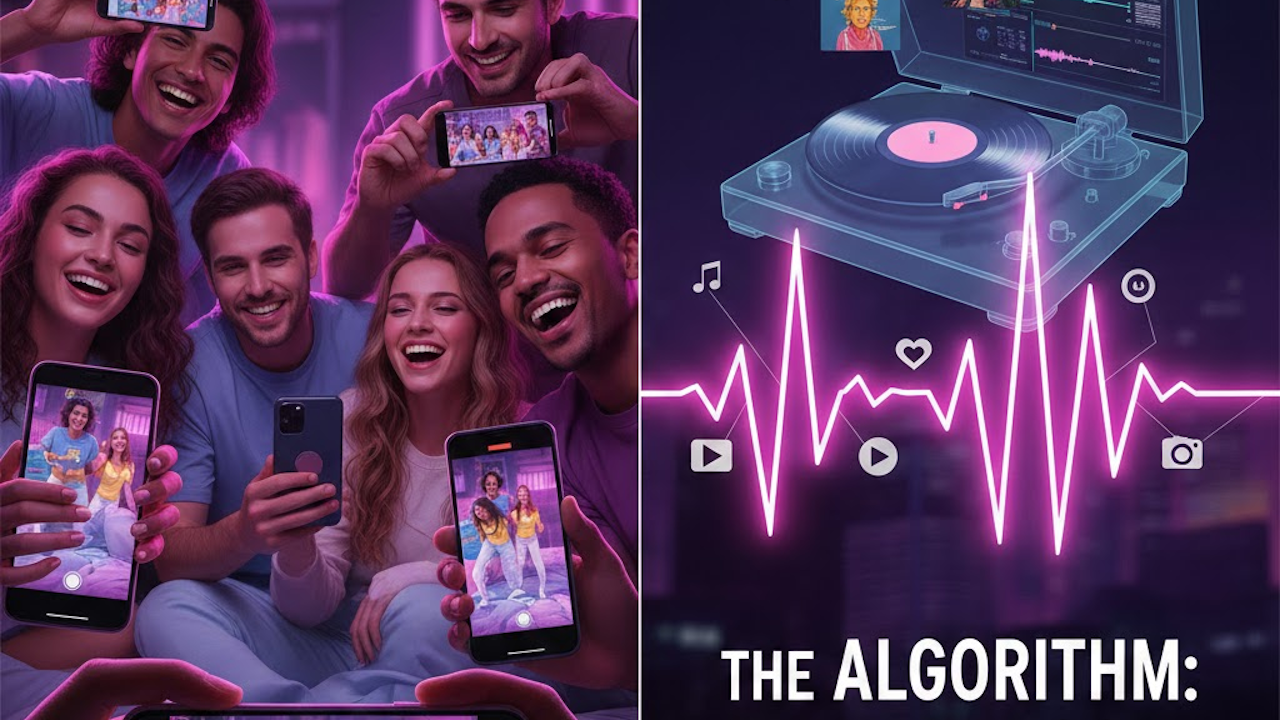
In today’s music landscape, a song no longer needs a major label push, heavy radio rotation, or expensive video premiere to become a global sensation. It can emerge from a bedroom recording, gain traction through user creativity, and explode into mainstream consciousness thanks to platforms that reward engagement over traditional gatekeeping. Viral songs born on social media represent a fundamental shift in how music spreads, how artists build careers, and how audiences discover sounds that define moments in time.
This transformation did not happen overnight. It evolved through waves of platforms, each contributing new mechanics for virality. What began with view counts on YouTube and looping dance clips on Vine matured into sophisticated algorithmic ecosystems on TikTok, where a fifteen-second clip can launch careers and reshape charts. These songs often start as experiments or niche expressions. They succeed because ordinary people find ways to make them personal through dances, memes, lip-syncs, skits, and challenges. The result is a feedback loop: user content drives streams, streams fuel charts, and charts attract even more attention.
The phenomenon raises important questions about authenticity, longevity, and artistic intent. Yet it also celebrates democratization. Independent creators now have tools once reserved for industry insiders. A strong hook, a relatable lyric, or a repeatable visual can turn an unknown track into the soundtrack of a summer or a cultural conversation. This article examines the history, standout examples, underlying mechanisms, and lasting effects of songs that owe their lives to social media.
Early Experiments: YouTube Lights the Fuse
YouTube proved early on that music videos could transcend traditional distribution. In July 2012, South Korean performer PSY uploaded the video for “Gangnam Style.” The track featured a bouncy electronic beat and lyrics about the flashy lifestyle of Seoul’s upscale Gangnam district. The accompanying horse-riding dance move became an instant visual meme. People replicated it in parks, offices, and flash mobs across continents.
Within months the video surpassed one billion views, the first ever to do so on the platform. It topped charts in dozens of countries and introduced broad Western audiences to the high-energy style associated with K-pop. Shares on early social networks amplified the reach. Celebrities joined the dance trend. The song proved that a catchy visual hook synced to music could create a self-sustaining cycle of views and shares without relying on radio or television gatekeepers.
“Gangnam Style” also highlighted the global potential of platform virality. Language barriers mattered less when the dance and humor translated universally. Its success encouraged labels and artists to think visually from the start. Years later, its fourteenth anniversary still prompted reflections on how one video changed expectations for music promotion.
Vine and the Power of Short-Form Dance Loops
Vine, active from 2013 to 2016, compressed creativity into six-second loops. The format proved ideal for dance crazes that spread through repetition and imitation. In 2014, Brooklyn rapper Bobby Shmurda released “Hot Nigga.” The track gained little initial traction until Vine users began posting videos of the Shmoney dance, a signature shoulder-shimmying move performed with attitude and often in groups.
The dance videos looped endlessly. Viewers watched, recreated, and shared them. The momentum pushed the song onto charts and attracted major label interest. Shmurda’s rise demonstrated how a simple, repeatable physical action tied to music could bypass traditional gatekeepers.
Around the same period, “Don’t Drop That Thun Thun” by The FiNATTiCZ found similar success through Vine twerking mashups. Users layered the song over energetic dance clips, creating viral loops that felt fresh each time. These examples established a template: short, visually driven content could ignite audio trends. When Vine shut down, its influence migrated to longer but still snackable formats on succeeding apps.
Twitter, Memes, and Artist-Led Momentum
While YouTube and Vine emphasized video, Twitter excelled at conversation, humor, and direct artist-to-fan connection. Few stories illustrate this better than Lil Nas X and “Old Town Road.”
In late 2018, Montero Hill, then a college dropout living on his sister’s couch, bought an instrumental beat online for thirty dollars. He recorded the country-trap fusion track in one day and released it independently on SoundCloud and iTunes on December 3. He listed it under the country genre, a strategic choice that helped it navigate early chart algorithms more easily than pure hip-hop releases.
Hill had already built a following on Twitter through humorous memes and relatable posts. After releasing the song, he created and shared dozens of memes incorporating its lyrics, especially the memorable line about having “the horses in the back.” The track gained organic momentum on the platform as users engaged with the content. The timing aligned with the emerging “Yeehaw Agenda,” a meme movement celebrating cowboy aesthetics in unexpected contexts.
TikTok users then discovered the song. They launched the “Yeehaw Challenge,” in which people began videos in regular clothes and transitioned into cowboy outfits as the track played. Clips flooded the For You page. The song entered the Billboard Hot 100 in March 2019. A remix featuring country icon Billy Ray Cyrus broadened its appeal across genres. It eventually spent a record nineteen consecutive weeks at number one on the Hot 100.
“Old Town Road” was not merely promoted on social media. It was born from it. Lil Nas X’s meme-first strategy on Twitter created initial buzz and cultural framing. TikTok’s algorithmic distribution scaled that buzz into a phenomenon. The track also sparked debate when Billboard initially removed it from country charts for not fitting genre conventions, highlighting how platform success sometimes challenges industry categories. The song’s journey from bedroom recording to cultural milestone remains one of the clearest examples of social media’s power to launch and sustain hits.
Other artists have leveraged Twitter for early amplification through stans, viral tweets, and direct engagement. The platform excels at conversation and meme culture, though few tracks have replicated the precise alchemy of “Old Town Road.”
TikTok: The Dominant Force in Modern Virality
No platform has influenced music discovery and chart performance more than TikTok. Its algorithm prioritizes watch time, completion rates, and rewatches over follower counts. This design allows unknown sounds and creators to reach massive audiences quickly. A song succeeds when users find compelling ways to pair it with video content.
The typical path is simple yet powerful. An artist or early fan uploads a sound. Someone creates a standout video using a short clip, whether a choreographed dance, a lip-sync with on-screen text, a comedy bit, or an emotional montage. If the video resonates, the algorithm pushes it to more users. Others replicate the format or use the same sound, multiplying exposure. Streams on major platforms spike. Radio and charts follow.
Data supports the scale of this effect. Analyses of recent years show that roughly eighty-four percent of songs reaching Billboard’s Global 200 first gained significant traction on TikTok before broader chart success. The platform has become a primary testing ground and accelerator for new music.
Numerous examples demonstrate the pattern. Lizzo’s “Truth Hurts,” originally released in 2017, received a major revival through the #DNATest Challenge. Users posted humorous or surprising ancestry results set to the track, turning it into her signature breakthrough hit years after its initial release.
Doja Cat built an early following through witty online content. Her track “Say So” exploded when influencer Haley Sharpe created a dance routine that millions replicated. The choreography later appeared in the official music video, and the song reached number one. The organic fan-driven moment proved more powerful than traditional promotion alone.
Megan Thee Stallion’s “Savage” inspired widespread dance challenges that amplified its empowering message and contributed to its chart dominance. Muni Long’s “Hours and Hours” and “Made For Me” connected with audiences through emotional, relationship-focused videos and skits. Nicki Minaj’s “FTCU” saw specific lines turn into quotable moments across lip-sync and comedy content.
Tommy Richman’s “Million Dollar Baby” offers a more recent case. Previously relatively unknown, the track gained momentum through TikTok videos highlighting its smooth production and introspective lyrics. The platform exposed it to global audiences and helped transform Richman’s profile almost overnight.
International examples further illustrate the reach. Vietnamese artist Pháo’s “2 Phút Hơn” achieved worldwide popularity through dance covers and remixes that spread rapidly across the app. Non-English tracks can now find audiences without traditional crossover machinery.
Even decades-old songs experience second lives. Fleetwood Mac’s 1977 hit “Dreams” surged in 2020 when a user posted a relaxed video of himself skateboarding while lip-syncing and drinking cranberry juice. The wholesome, low-key vibe resonated during uncertain times. Streams increased dramatically, and band members, including drummer Mick Fleetwood, participated in follow-up videos. The revival showed how fresh context can reintroduce classic music to new generations.
Newer tracks like GAYLE’s raw breakup anthem “abcdefu” and Tai Verdes’ upbeat “A-O-K” found perfect homes in TikTok’s ecosystem of emotional expression and quick hooks. Artists increasingly optimize early sections of songs for the platform, knowing the first fifteen seconds often determine whether a clip spreads.
How Virality Actually Works
Several factors increase the odds of social media success. Catchy, memorable melodies that linger after one listen perform well. Danceable rhythms or beats that sync easily with physical movements encourage replication. Lyrics that lend themselves to memes, quotes, or text overlays give users creative fuel. Emotional resonance, whether humor, relatability, empowerment, or nostalgia, helps videos connect on a personal level.
The algorithm rewards content that holds attention. High completion rates and rewatches signal value, prompting wider distribution. User creativity remains essential. A song rarely goes viral in isolation. It needs a compelling video catalyst, sometimes organic and sometimes encouraged by the artist posting early examples or suggesting challenges.
Labels have adapted their strategies. Many monitor platform trends for signing opportunities or assign teams to nurture organic momentum. Some productions now incorporate virality considerations from the start, though audiences tend to reward genuine connection over obvious manufacturing. Cross-platform approaches have become common: artists tease snippets on one site, encourage dances on another, and release full visuals on YouTube.
Impacts on Artists, Industry, and Listeners
Social media virality has democratized opportunity. Independent artists can reach global audiences without large marketing budgets. A single strong moment can generate streams, touring revenue, and label interest. Careers accelerate dramatically compared to previous eras.
The system exposes listeners to wider variety. Users encounter genres, languages, and styles they might never seek independently. Global sounds travel faster. Revivals of older tracks create intergenerational bridges and demonstrate music’s timeless appeal when given fresh context.
For the industry, data from platforms now informs A&R decisions alongside traditional metrics. Short-form content has become a core part of release strategies. Many artists maintain active presences across multiple apps, treating content creation as an extension of their work.
Challenges accompany the benefits. The emphasis on short clips can reduce full-song or album listening. Some tracks peak quickly and fade as trends shift, affecting long-term career sustainability. Artists face pressure to generate constant content, which can contribute to burnout or dilute focus on music itself. Debates continue about whether optimization for virality compromises artistic depth or authenticity.
Culturally, the speed of trends can feel overwhelming. Yet the same speed enables rapid collective expression. Songs capture moods, memes, and moments with remarkable immediacy. They become shared references across diverse communities.
The Landscape in 2026 and What Comes Next
TikTok continues to dominate music discovery, though Instagram Reels and YouTube Shorts provide competing short-form environments. X maintains strength in conversation, meme amplification, and direct artist engagement. Dedicated viral playlists and charts reflect ongoing listener interest in what is buzzing online.
Artists experiment with integrated strategies across platforms. Some leverage data insights to refine hooks or visuals. Others prioritize consistent posting and community interaction. The core dynamic remains: songs gain life when people adopt them and make them their own.
Looking forward, technological shifts such as improved recommendation systems or new creative tools may further evolve the process. Artificial intelligence could assist with content ideation or production elements, yet human emotional connection and creative spark will likely stay central to sustained resonance. Authenticity still cuts through noise more effectively than calculated attempts at virality.
Conclusion: The Enduring Magic of User-Driven Hits
Viral songs born on social media have redefined success in the music industry. From PSY’s horse-riding phenomenon on YouTube to Lil Nas X’s meme-fueled cowboy anthem and the endless stream of TikTok sounds that define current moments, these tracks share a common origin story. They begin with creativity, spread through participation, and grow because people find joy, humor, or meaning in sharing them.
The model empowers creators and listeners alike. It accelerates discovery, revives forgotten gems, and allows sounds from anywhere to reach everywhere. It also demands adaptation from artists and industry professionals who must balance artistic vision with platform realities.
Ultimately, these songs remind us that music thrives on connection. A strong beat or clever lyric gains power when communities embrace it, remix it, and soundtrack their lives with it. In an era of endless scrolling, the tracks that stop the scroll and inspire action become more than background noise. They become cultural touchstones.
The next viral song could emerge from anywhere: a viral dance challenge, a perfectly timed meme, or a relatable skit that resonates across borders. Its journey will likely begin not in a boardroom but in the creative hands of users who decide a sound deserves to be heard, shared, and loved. That unpredictable, participatory magic continues to shape the soundtrack of our digital age.