

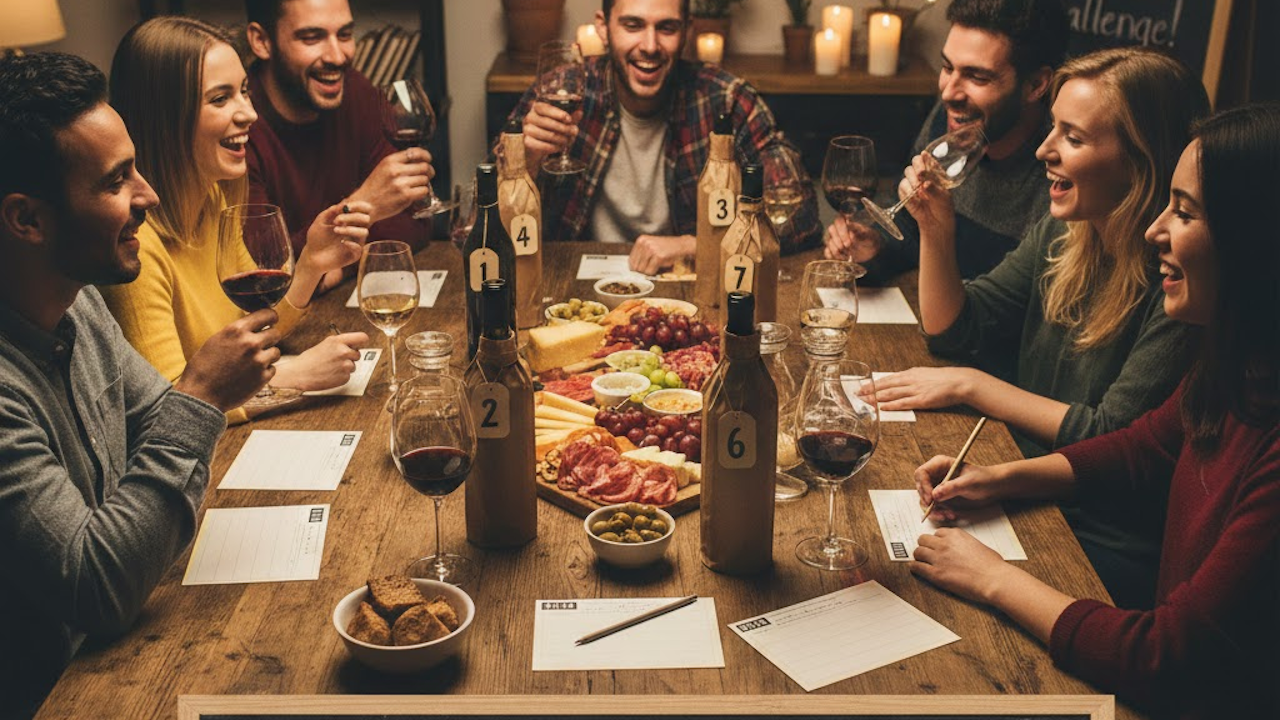
Hosting a wine tasting party at home offers a rewarding way to explore new flavors, share knowledge, and create memorable evenings with friends. Unlike formal events at wineries or restaurants, a DIY version puts you in control of the pace, the selections, and the atmosphere. With thoughtful preparation, anyone can organize a tasting that feels polished and professional without requiring expert credentials or a large budget. This guide walks through every stage, from initial planning to the final pour, so you can host with confidence.
Choosing a Theme and Format
A clear theme gives the evening structure and helps guests know what to expect. Popular options include regional focus such as wines from California, France, or Argentina. Varietal tastings center on one grape like Cabernet Sauvignon or Pinot Noir from different producers. Blind tastings add an element of surprise and conversation, while progressive flights move from lighter to fuller bodied wines. Seasonal themes work well too. A summer tasting might feature crisp whites and rosés, while winter gatherings lean toward robust reds.
Decide on the number of wines early. Six to eight bottles usually strike the right balance. Fewer can feel incomplete. More can overwhelm the palate and the budget. Plan for two to three ounces per pour so guests can sample without excess. Calculate total volume based on the guest count. For eight people and six wines, roughly three standard bottles per wine type may be needed if everyone samples fully, though many hosts start with two bottles and open more only if required.
Inviting Guests and Setting Expectations
Keep the guest list manageable. Eight to twelve people allows for easy circulation and discussion without crowding the tasting space. When sending invitations, mention the theme, the approximate start and end times, and any contributions you would like. Some hosts ask guests to bring a bottle that fits the theme. Others prefer to supply everything themselves for consistency. Clarify whether the event is strictly tasting focused or includes a full meal afterward. Note any dietary restrictions in advance so food pairings can accommodate everyone.
Budgeting Wisely
Wine remains the largest expense. Aim for bottles in the fifteen to thirty dollar range. These often deliver excellent quality without the premium markup of rare labels. Shop at local wine shops rather than big box stores when possible. Staff can recommend bottles that fit your theme and price point, and many shops offer case discounts. Factor in glassware if you need to buy or rent additional stems, simple cheese and charcuterie, water, and basic supplies like spit cups and scorecards. A total budget of one hundred fifty to three hundred dollars for eight to ten guests is realistic for a solid experience.
Selecting and Preparing the Wines
Buy wines at least a few days ahead so they can rest upright and settle. For reds, plan to open them thirty to sixty minutes before tasting begins if they benefit from aeration. Whites and rosés should be chilled to the proper temperature. Use a refrigerator or an ice bath. Avoid extreme cold that mutes aromas. Label each bottle discreetly if conducting a blind tasting. Brown paper bags or numbered tags work well. Prepare a simple tasting sheet for each guest that lists the wines by number, with columns for appearance, aroma, taste, and overall score. Provide pens or pencils.
Arranging the Space
Choose a well lit area with enough table surface for bottles, glasses, and food. Natural light helps with color assessment, but soft overhead lighting works after dark. Cover the table with a white or neutral cloth so wine color shows clearly against it. Set out one glass per person per wine if possible, or instruct guests to rinse between pours. Riedel or similar standard wine glasses are ideal, but any clean stemmed glass of moderate size will do. Provide a dump bucket or individual spit cups. A pitcher of water and plain crackers or bread for palate cleansing should sit within easy reach.
Create a logical flow. Place the wines in the order they will be tasted, typically progressing from lightest to heaviest or driest to sweetest. Position food nearby but not so close that strong aromas interfere with the wine. Soft background music at low volume supports conversation without competing with it. Keep the temperature of the room comfortable. Overly warm conditions can make reds taste flat and whites lose their crispness.
Pairing Food That Supports the Tasting
Food should complement rather than overpower the wines. Neutral items such as plain baguette slices, water crackers, and mild cheeses like mozzarella or young Gouda allow the wine to remain the focus. For reds, offer a small selection of cured meats, olives, and harder cheeses such as aged cheddar or Manchego. Whites pair nicely with fresh fruit, soft cheeses, and light seafood if the tasting leans coastal. Avoid heavily spiced, sweet, or vinegary foods that can distort perception of the wine. Serve everything at room temperature or slightly chilled as appropriate, and replenish as needed.
Conducting the Tasting
Begin with a brief welcome and explanation of the order. Encourage guests to evaluate each wine systematically. First, examine the color and clarity by tilting the glass against a white background. Next, swirl gently to release aromas and smell deeply. Note fruit, floral, earthy, or oak driven scents. Finally, take a small sip, let it coat the tongue, and observe acidity, tannin, body, and finish. Spitting is entirely acceptable and often preferred when sampling multiple wines. Provide clear instruction so newcomers feel comfortable doing so.
Allow five to ten minutes per wine for discussion. Ask open questions: What fruit notes stand out? Does the finish linger? How does it compare to the previous pour? Keep the atmosphere light. Not every guest needs to sound like a sommelier. Personal impressions matter more than technical vocabulary. If the tasting is blind, reveal the bottles after everyone has scored them. This moment often produces the most laughter and surprise.
Adding Interactive Elements
Games heighten engagement. A simple scoring competition works well. Guests rate each wine on a scale of one to ten and later compare notes. Another option is a matching game in which sealed descriptions of the wines are distributed and participants try to pair them correctly. For larger groups, divide into teams and award small prizes such as a leftover bottle or a wine related gadget. Keep activities optional so those who prefer quiet conversation can still enjoy the evening.
Handling Practical Details
Have extra bottles of water available. Dehydration can dull the palate and intensify alcohol effects. Offer non alcoholic alternatives for designated drivers or those who prefer them. Monitor pour sizes. Generous hosts sometimes over pour, which shortens the tasting and leaves guests less able to appreciate later wines. If someone arrives late, offer a quick catch up pour of the wines already tasted rather than restarting the sequence.
Cleanup and Follow Up
After the final wine, clear the glasses and spit vessels promptly. Leftover open bottles can be recorked and saved for a day or two if refrigerated. Note which wines received the highest scores so you can recommend them later or plan a future tasting around similar styles. A short thank you message the next day, perhaps with a photo of the lineup or a list of the wines, extends the goodwill of the evening.
Common Pitfalls to Avoid
Rushing the schedule leaves little time for reflection. Overly complex themes can confuse beginners. Serving wines that are too similar reduces contrast and learning. Neglecting temperature control is one of the most frequent mistakes. A warm white or an over chilled red loses much of its character. Finally, do not pressure guests to finish every glass. The goal is enjoyment and discovery, not consumption.
With practice, each tasting becomes smoother. Keep a notebook of successful pairings, guest feedback, and bottle notes. Over time you will develop a personal style that reflects both the wines you love and the company you keep. A DIY wine tasting party requires no formal certification, only curiosity, organization, and a willingness to share the experience. When the last glass is set down and conversation continues long after the bottles are empty, you will know the evening succeeded.