

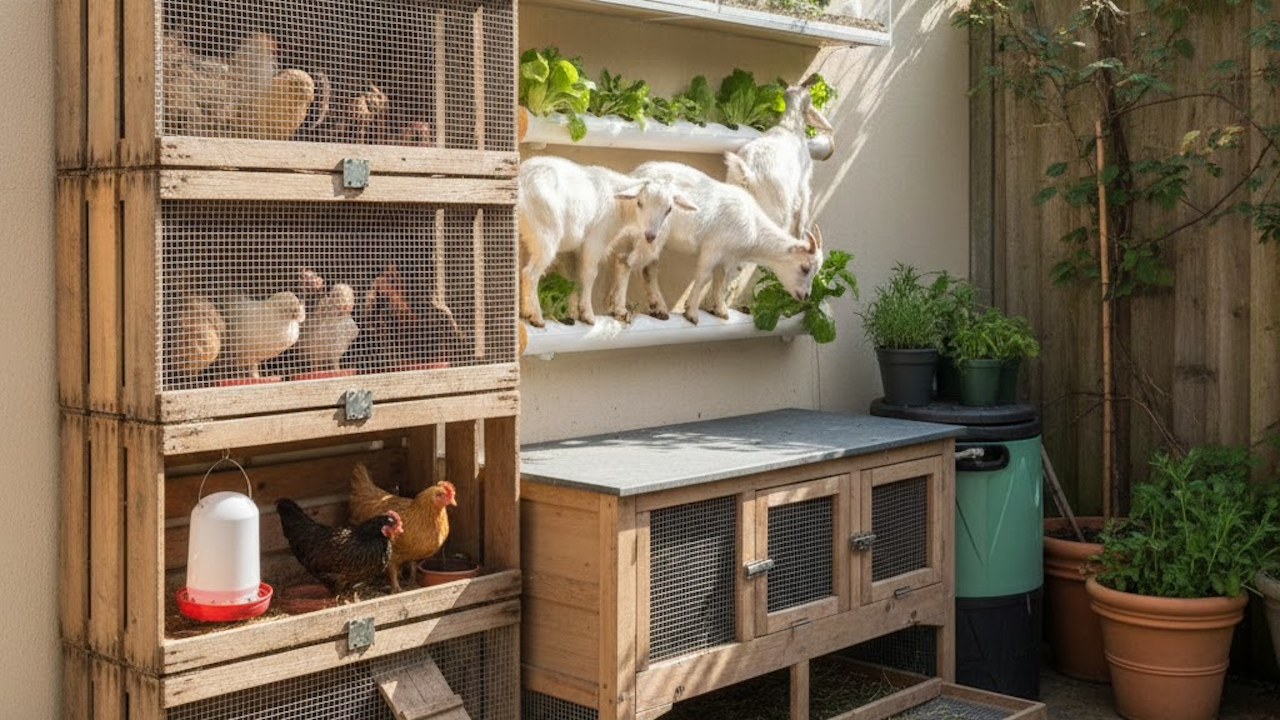
In cities and apartments around the world, space is often at a premium. Yet the desire for fresh food, meaningful connection with living creatures, and a touch of self-sufficiency remains strong. Raising animals in small spaces has grown in popularity as part of the urban homesteading movement. People are discovering that with thoughtful planning, the right species choices, and consistent care, it is possible to keep productive or companion animals even when square footage is limited.
This approach offers tangible rewards. Fresh eggs from a handful of quail or hens, lean meat from rabbits, nutrient-rich compost from manure or worm castings, natural pest control in a garden, and the simple joy of daily interaction with animals all become achievable. Mental health benefits arise from routine care and the calming presence of creatures. Sustainability improves when kitchen scraps feed animals and their waste returns fertility to plants through composting or aquaponics systems. At the same time, challenges exist around regulations, odor management, noise, time demands, costs, and ensuring animal welfare in confined conditions. Success depends on matching animals to available space, local rules, climate, and personal lifestyle.
This guide explores practical options, housing ideas, care essentials, and strategies for thriving in limited environments. It covers both outdoor small-yard setups common in urban or suburban lots and indoor apartment solutions. The focus stays on realistic, humane practices that prioritize animal needs while delivering value to the keeper.
Legal and Practical Foundations
Before acquiring any animals, research is essential. Local ordinances, homeowners association rules, and landlord policies often dictate what is allowed. Many cities permit a limited number of hens, typically four to six, with requirements for coop placement, setbacks from property lines, and noise control. Roosters are frequently banned due to crowing. Quail face fewer restrictions in some areas because they are quieter and smaller. Rabbits are commonly treated as pets or allowable livestock. Indoor animals such as guinea pigs, birds, fish, and reptiles usually encounter fewer hurdles, though pet deposits or breed restrictions may apply in rentals.
Check zoning codes through city websites or by calling planning departments. Some municipalities require permits or inspections. Neighbor relations matter greatly in dense areas. Proactive communication, such as offering fresh eggs or honey, can build goodwill and prevent complaints about odor or noise.
Assess your specific space honestly. Measure available floor area, vertical height, balcony dimensions, sunlight exposure, ventilation options, and climate extremes. Consider access for cleaning and feeding. Factor in time availability for daily tasks like providing fresh water, collecting eggs or waste, and spot cleaning. Budget for initial housing and setup, ongoing feed (often the largest expense), veterinary care, and emergency funds. Exotic or avian veterinarians may be needed for birds, rabbits, reptiles, and rodents, and their services cost more than standard pet care.
Start small. Begin with one or two compatible animals of a single species to learn routines before expanding. Overstocking leads to stress, disease, odor problems, and overwhelmed keepers. Always have a realistic exit plan for rehoming if circumstances change.
Poultry in Compact Setups: Chickens and Quail
Poultry represents one of the most productive options for small yards or balconies where regulations permit. Chickens and quail convert feed into eggs and meat efficiently while producing valuable manure.
Chickens work well in small backyards with proper housing. Bantam breeds take up less room and eat less than standard varieties, though they lay smaller eggs. Popular choices include bantam Cochins or Silkies for gentle temperaments. Space guidelines recommend at least four square feet of coop floor space per bird and eight to ten square feet of secure outdoor run space. For a flock of four, a modest coop around four feet by four feet with an attached run can suffice when combined with vertical roosts and nest boxes.
Housing must be predator-proof with sturdy wire mesh buried or aproned to deter digging predators, secure latches, and good ventilation without drafts. The deep litter method, where bedding is added over time and stirred periodically, helps control odor and creates compost. Nest boxes should be dark and private, with one box for every four to five hens. Collect eggs daily to encourage laying and prevent broodiness or breakage.
Care involves a complete layer feed, supplemental grit for digestion, oyster shell for calcium, and access to fresh water. Greens from the garden or safe kitchen scraps add variety. Dust bathing areas prevent external parasites. Common health issues include mites, respiratory problems from poor ventilation, and internal worms. Regular observation and fecal testing help catch problems early. Hens typically lay for several years, providing 200 or more eggs annually per bird under good conditions.
Quail, particularly Coturnix or Japanese quail, excel in very small spaces. They require roughly one square foot per bird in colony housing, allowing a dozen or more in a compact hutch or stacked cages that fit on a balcony or sheltered patio. Many urban areas that restrict chickens still allow quail because of their quiet nature and minimal footprint. They reach egg-laying age in about six to seven weeks and produce small, flavorful eggs at a high rate, often 300 per year per hen. Meat birds finish in eight weeks.
Housing for quail commonly uses wire-floored cages with a slight slope so eggs roll forward for easy collection into a tray. Droppings fall through for simple cleanup. Solid-floor options with bedding also work. Keep height low, around eight to ten inches, to prevent head injuries from startled flights. Provide protection from extreme heat, cold, and predators. High-protein game bird or turkey feed supports rapid growth and egg production. Fresh water must stay available at all times.
Quail are generally quieter than chickens, with soft calls rather than loud clucks or crows. They are sensitive to temperature swings and stress, which can lead to reduced laying or health issues. Secure enclosures prevent escapes, as these birds are agile. Their fast life cycle and small size make them ideal for beginners testing production in limited space. Manure mixes well into compost systems.
Ducks occasionally suit small yards but require more water access and produce messier waste. Muscovy ducks tend to be quieter than other breeds. Always verify local rules first.
Rabbits for Efficient Production and Garden Fertility
Rabbits offer outstanding feed conversion and rapid reproduction, making them suitable for meat-focused urban homesteads or as pets. Breeds such as New Zealand or Californian grow quickly for meat. Smaller varieties like Mini Rex or Dutch rabbits fit tighter spaces when kept as companions.
Individual cages measuring about two feet by three feet by fifteen to eighteen inches high work well for breeding adults. Grow-out cages can be slightly smaller or shared temporarily. Stacking cages vertically maximizes floor space on patios or in sheds. Colony setups in larger protected pens allow more natural movement but require careful management to prevent fighting.
Housing needs good ventilation, shade in summer, and wind protection in winter. Wire floors with collection trays simplify cleaning, though many keepers prefer solid floors with absorbent bedding for comfort. Nest boxes are essential for does preparing to kindle. Urine management is critical because rabbit urine is strong; trays, lime, or zeolite absorbents reduce odor significantly. Balcony setups succeed when fully weatherproofed and secured against wind and predators.
Nutrition centers on unlimited high-quality hay for dental and digestive health, limited pellets to avoid obesity, and fresh leafy greens plus safe vegetables. Fresh water must be provided constantly, preferably in bowls or bottles checked daily. Exercise time in a secure area benefits both meat and pet rabbits. Breeding follows a schedule where does can be rebred shortly after weaning, producing litters of four to twelve kits multiple times per year. One well-managed doe can yield substantial meat annually with modest feed input.
Manure from rabbits is excellent for gardens. It can be applied directly or brewed into fertilizer tea without the hot composting required for poultry waste. This closed-loop benefit makes rabbits especially valuable in small-space systems integrated with vegetable growing.
Challenges include summer heat stress, which requires extra shade and cooling, and the need for consistent daily care. Proper handling and biosecurity reduce disease risks. For meat production, ethical considerations around breeding and processing should be addressed through education and preparation.
Small Mammals Ideal for Apartments
Guinea pigs, hamsters, rats, and similar rodents thrive indoors with appropriate enclosures. Guinea pigs are social and vocal, making them engaging companions. They do best in pairs or small same-sex groups. Minimum cage space starts around seven to ten square feet for two pigs, with larger custom enclosures using grids and coroplast offering more room and easier cleaning. Multi-level setups with safe ramps add vertical interest.
Solid floors with fleece liners or paper-based bedding control odor better than loose shavings in many cases. Provide multiple hideouts, tunnels, and chew toys. Unlimited hay, fortified pellets, and daily vitamin C-rich vegetables such as bell peppers and parsley prevent scurvy. Fresh water and regular nail trims complete basic care. These animals live five to seven years and require daily interaction to stay tame and healthy.
Hamsters are more solitary and nocturnal. Larger cages or bins with wheels, burrowing substrate, and enrichment prevent boredom. They need less floor space than guinea pigs but still benefit from generous setups. Rats are highly intelligent and social, responding well to training and free-roam time in safe areas. Their larger cages or room setups reward keepers with strong bonds.
All small mammals need secure housing to prevent escapes and protection from household hazards like electrical cords or toxic plants. Regular cleaning prevents ammonia buildup. Veterinary care from exotic-animal specialists addresses issues such as respiratory infections or dental problems common in these species.
Birds for Visual and Auditory Enjoyment
Small birds bring color, song, and personality to apartments without demanding large territories. Budgerigars, or budgies, rank among the most popular. They are intelligent, trainable, and relatively quiet compared with larger parrots. Zebra finches and society finches produce soft, pleasant chirps and do well in small groups. Canaries offer beautiful song from males. Cockatiels and parrotlets provide more interaction potential while remaining manageable in size.
Cages should be as large as space allows, prioritizing horizontal flight room. Multiple perches of varying diameters, swings, ladders, and foraging toys prevent boredom and support foot health. Bar spacing must be narrow enough to avoid injury. Place cages in bright, draft-free locations away from direct midday sun and kitchen fumes. Night covers help ensure restful sleep.
Diet consists of high-quality pellets as a base, supplemented with seeds, fresh vegetables, and limited fruit. Clean water and occasional bathing opportunities maintain condition. Social species like budgies and cockatiels benefit from daily interaction, talking practice, or a companion bird. Finches are more observational but content in flocks.
Dust from feathers can affect air quality, so good ventilation and occasional air filtration help. Long lifespans, from ten years for budgies to twenty or more for cockatiels, represent a serious commitment. Nail and beak maintenance may be needed periodically. Destructive chewing is normal, so provide appropriate outlets.
Reptiles, Amphibians, and Fish for Low-Interaction Options
Reptiles suit keepers who prefer observation over handling. Leopard geckos and crested geckos are among the easiest. They require appropriately sized terrariums with temperature gradients, hides, and proper substrate. Leopard geckos need supplemental heat and calcium-dusted insects. Crested geckos thrive with higher humidity and can use commercial diets or insects and fruit. Bearded dragons demand larger enclosures, UVB lighting, and a varied diet of insects plus greens. Ball pythons and corn snakes need secure enclosures sized to their length, with appropriate heating and frozen-thawed rodent meals.
All reptiles benefit from bioactive setups incorporating live plants, isopods, and springtails that help manage waste. Secure lids prevent escapes. Power outages pose risks to temperature and humidity control, so backup plans are wise. Specialized veterinary care is important for issues like metabolic bone disease from improper lighting or diet.
Amphibians such as certain frogs require humid vivariums with live plants and careful water parameters. They are generally low-noise but sensitive to environmental changes.
Fish offer calming visual appeal with minimal noise. Betta fish do well in heated, filtered tanks of five gallons or larger. Community tanks with compatible species like guppies or tetras need at least ten to twenty gallons with regular maintenance. Weekly partial water changes, parameter testing, and appropriate feeding prevent common problems.
Small-scale aquaponics combines fish with growing herbs or greens in a compact system. Fish waste fertilizes plants, which in turn help clean the water. Desktop or countertop units fit apartments and provide fresh produce alongside the satisfaction of a balanced ecosystem.
Beneficial Insects and Worms
Red wiggler worms transform kitchen scraps into rich castings through vermicomposting. Bins can sit under a sink, on a balcony, or in a closet. Proper balance of carbon materials like shredded paper with nitrogen-rich scraps keeps the system odor-free. Castings make excellent fertilizer for houseplants or gardens. This method reduces household waste dramatically and requires very little space.
Beekeeping on rooftops or small yards is possible where regulations allow but involves more complexity, including hive management, swarm prevention, and neighbor considerations regarding flight paths and stings. Honey and pollination services reward dedicated keepers.
Black soldier fly larvae or mealworms can be raised easily in bins to process waste or provide feed for other animals. These options close nutrient loops efficiently in small systems.
Maximizing Limited Space and Managing Daily Realities
Creative housing multiplies capacity. Stackable or vertical cages work for quail and rabbits. Custom C and C enclosures for guinea pigs or rabbits fit awkward corners. Wall-mounted or corner terrariums and tanks save floor area. Balcony coops or hutches need full weather protection, drainage, and security. Indoor setups benefit from air purifiers to manage dander and odors.
Feeding relies on species-appropriate commercial diets supplemented carefully with garden or kitchen items after confirming safety lists. Overfeeding leads to health issues and excess waste. Water must stay fresh and abundant.
Waste management prevents the most common complaints. Regular cleaning schedules, appropriate absorbents, and ventilation are non-negotiable. Compost systems or municipal green waste programs handle manure and bedding. Aquaponics and worm bins recycle nutrients directly.
Health relies on prevention through proper space, diet, hygiene, and enrichment. Quarantine new arrivals. Monitor for changes in appetite, droppings, activity, or breathing. Establish a relationship with a knowledgeable veterinarian early. Enrichment such as toys, foraging opportunities, social companions where appropriate, and safe exercise reduces stress and behavioral problems.
Seasonal adjustments matter. Provide extra warmth and windbreaks in winter. Ensure shade, airflow, and cooling options like frozen water bottles or misters during summer heat. Biosecurity practices, such as dedicated footwear or tools when moving between different animal areas, limit disease spread.
Starting Your Journey Responsibly
Success in small-space animal keeping comes from matching ambition to reality. Research thoroughly, prepare housing and supplies in advance, and budget realistically. Connect with local urban agriculture groups, extension services, and online communities for species-specific advice and troubleshooting. Many experienced keepers share housing plans, feeding schedules, and lessons from mistakes.
Integration with other homesteading elements amplifies benefits. Garden scraps feed animals. Animal waste nourishes plants. Eggs, meat, honey, or herbs return directly to the table. This circular approach reduces external inputs and deepens appreciation for natural cycles.
Raising animals in small spaces demands responsibility. These creatures depend entirely on their keepers for every need. When done thoughtfully, the practice delivers fresh food, educational opportunities, companionship, and a stronger connection to the living world, even within the constraints of city life. Whether through a modest quail hutch yielding daily eggs, a pair of guinea pigs offering daily greetings, a thriving worm bin, or a small aquarium supporting herbs, the rewards justify the effort for those prepared to meet the commitment. Begin with careful assessment, proceed gradually, and enjoy the profound satisfaction of stewarding life in limited quarters.