

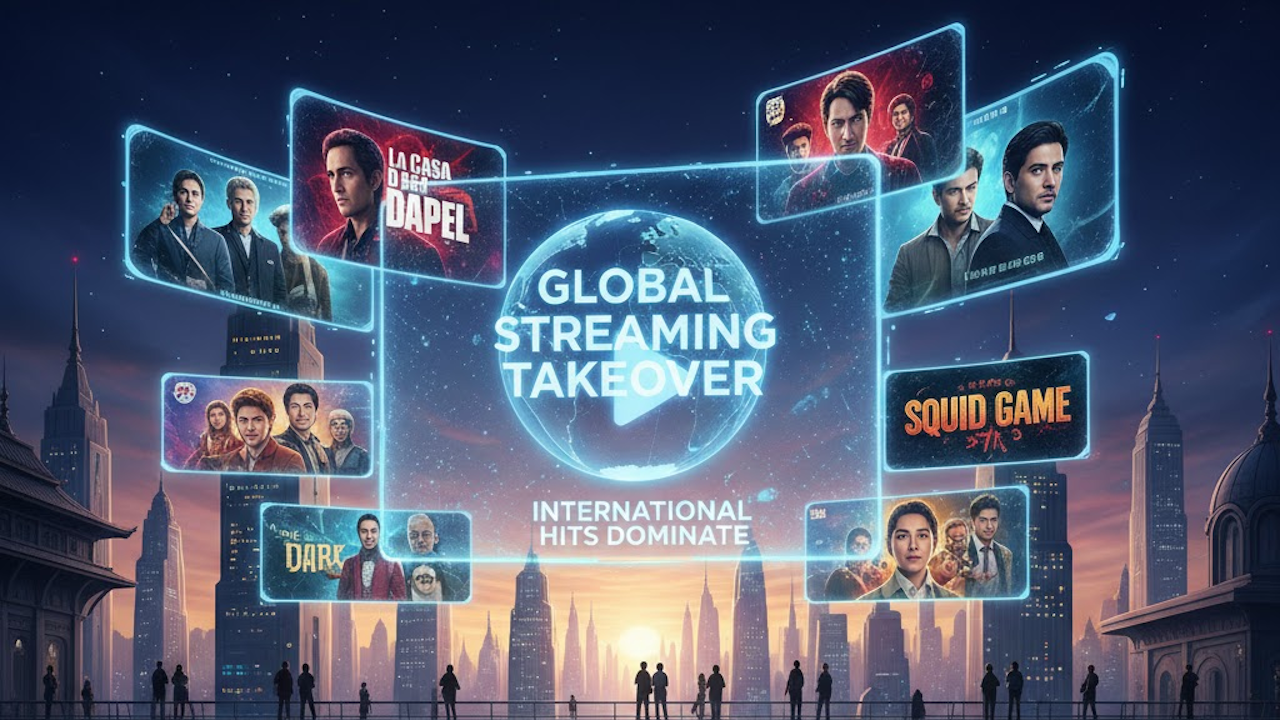
International television shows are no longer a niche curiosity tucked away in the foreign language sections of streaming platforms. They have become some of the most talked about, watched, and culturally influential content in the streaming era. From Korean dramas and Spanish thrillers to German sci fi and Indian crime series, global television is reshaping what audiences expect from streaming services. This shift reflects changes in technology, audience habits, and creative ambition, and it is redefining entertainment on a worldwide scale.
One of the biggest reasons international shows are thriving is accessibility. Streaming platforms removed many of the barriers that once limited foreign television. Viewers no longer need specialty cable packages, imported DVDs, or late night programming slots. With subtitles, dubbing options, and algorithm driven recommendations, audiences can discover shows from anywhere with just a few clicks. A series produced in Seoul or Madrid can premiere on the same day in New York, London, and Sydney. This global release model has made international storytelling feel immediate and relevant rather than distant or unfamiliar.
Another major factor is fatigue with traditional Hollywood formulas. Many viewers feel that American television has become overly reliant on reboots, franchises, and predictable story structures. International shows often bring different pacing, themes, and narrative risks that feel refreshing. Korean dramas are known for emotional depth and carefully planned story arcs. Scandinavian crime series favor quiet tension and moral complexity. Spanish thrillers lean into high stakes and rapid momentum. These stylistic differences stand out in crowded streaming libraries and attract audiences looking for something new.
Cultural specificity has also become a strength rather than a limitation. International shows often lean heavily into local settings, social issues, and traditions. Instead of trying to appeal to everyone, they focus on telling authentic stories rooted in a particular place. Paradoxically, this specificity makes them more relatable. Viewers recognize universal emotions such as love, fear, ambition, and injustice even when the cultural context is unfamiliar. Shows like Squid Game, Money Heist, and Dark succeeded not by diluting their identity, but by embracing it fully.
Streaming platforms themselves have actively fueled this trend. Companies like Netflix, Amazon Prime Video, and Disney Plus invest heavily in international production because it expands their subscriber base and lowers creative risk. A successful international show can cost less than a major American production while reaching a global audience. Platforms also benefit from building regional content libraries that appeal to local markets while still offering breakout hits that travel well. This strategy turns international shows into both cultural exports and smart business investments.
The rise of binge watching has further helped international series gain traction. Many global shows are released as complete seasons, encouraging viewers to commit fully and quickly. Strong hooks, cliffhangers, and serialized storytelling translate well across cultures. Social media amplifies this effect by creating global conversations almost overnight. A recommendation from a friend, a viral clip, or a trending hashtag can push an international show into mainstream awareness within days.
Language, once considered a major obstacle, has become less intimidating to audiences. Younger viewers in particular are more comfortable reading subtitles and switching between languages. For some, watching international shows even feels like an active and engaging experience rather than passive consumption. Dubbing has also improved significantly, making shows more accessible without sacrificing emotional impact. As a result, language barriers are no longer deal breakers for many viewers.
The success of international television has also influenced American productions. Writers and producers are borrowing ideas, formats, and aesthetics from global hits. Some international shows are adapted into English language versions, while others inspire original concepts. This cross pollination enriches television as a whole and pushes creators to think beyond national boundaries. It also challenges the long held assumption that American television sets the standard for quality and innovation.
Looking ahead, international shows are likely to become even more dominant. As streaming competition intensifies, platforms will continue searching for distinctive voices and untapped markets. Advances in translation technology and global marketing will further smooth the path for cross cultural storytelling. At the same time, audiences are growing more curious, open minded, and willing to explore unfamiliar narratives.
International television taking over streaming is not a passing trend. It represents a fundamental shift in how stories are created, distributed, and consumed. In a connected world, great storytelling travels fast, regardless of language or origin. Streaming has turned the global television landscape into a shared space, where viewers everywhere can discover stories that feel both foreign and deeply familiar.