

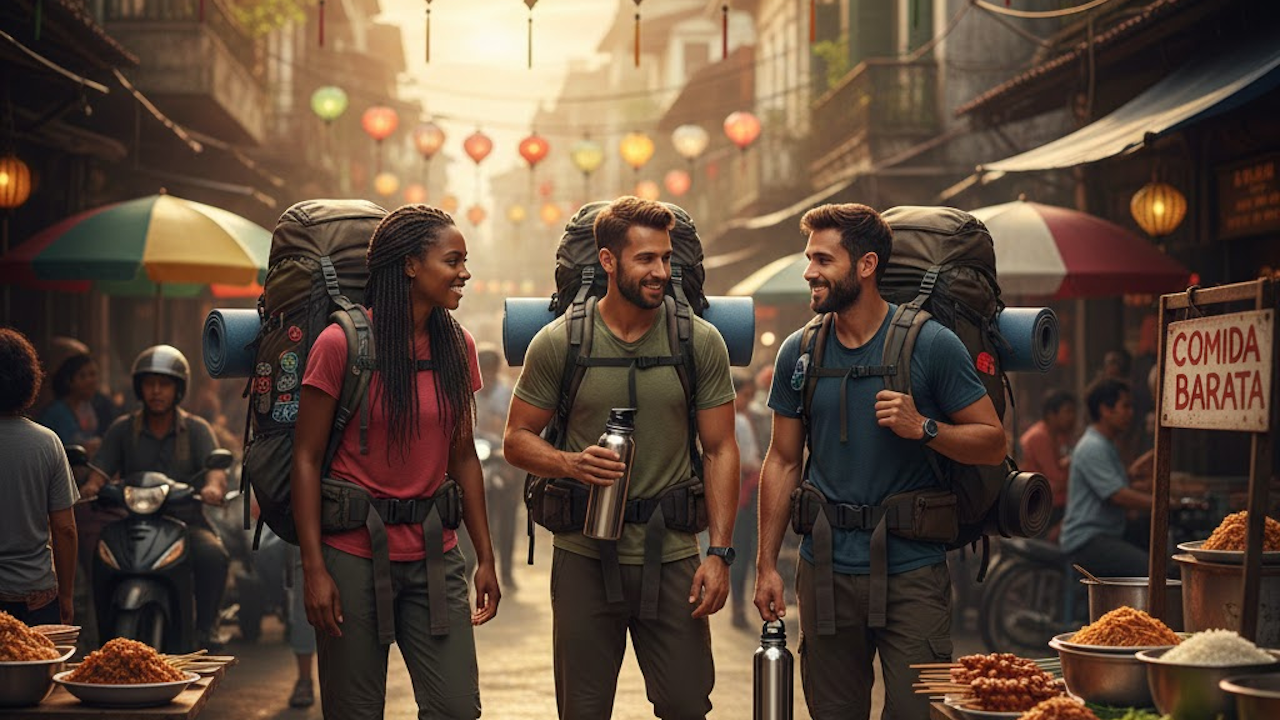
Traveling the world does not require a fat bank account or luxury resorts. Budget backpacking proves that curiosity, flexibility, and smart choices can take you farther than money alone. With a single backpack, a willingness to adapt, and a focus on experiences over comfort, ordinary people cross continents, meet locals, and collect stories that last a lifetime. This approach strips travel down to its essentials: movement, discovery, and connection. It rewards those who plan carefully, spend deliberately, and stay open to the unexpected.
The appeal of budget backpacking runs deeper than saving cash. It forces you to slow down and notice details that rushed tourists miss. You learn to navigate unfamiliar streets, bargain at markets, and rely on public transport instead of private transfers. You share dorm rooms with strangers who become friends, eat street food that reveals a culture’s true flavors, and sleep under stars in places where hotels never reach. The lower your daily spend, the longer you can stay on the road. Many backpackers stretch months into years this way. The constraint of limited funds becomes a creative challenge rather than a barrier.
Choosing destinations sets the foundation for low costs. Southeast Asia remains a classic starting point. Countries like Vietnam, Thailand, Cambodia, and Indonesia offer hostels for a few dollars a night, filling meals for under two dollars, and buses that cross provinces for the price of a coffee elsewhere. Latin America follows close behind. Bolivia, Peru, Ecuador, and parts of Colombia deliver high-altitude adventures, colonial cities, and Amazon access at prices that allow extended stays. Eastern Europe provides another strong option. Countries such as Bulgaria, Romania, Albania, and Georgia combine historic towns, mountain trails, and Black Sea coasts with costs far below Western Europe. In Africa, places like Morocco, Egypt, and parts of East Africa reward careful budgeting with dramatic landscapes and rich cultural layers. Even within expensive regions, secondary cities and rural areas often cost half as much as capitals. Research average daily budgets for food, lodging, and transport before committing. Aim for destinations where your money buys more time rather than more luxury.
Timing matters as much as location. Peak seasons inflate prices for flights, rooms, and activities. Traveling in shoulder seasons or the off-season cuts costs dramatically while reducing crowds. In Southeast Asia, the rainy months bring lower rates and emptier beaches. In Europe, late autumn and early spring offer mild weather without summer markups. Shoulder periods still provide reliable weather for hiking and sightseeing in most places. Flexible dates also open cheaper flights. Setting fare alerts and checking multiple departure airports can save hundreds on long-haul tickets. Once on the ground, midweek travel for buses and trains often costs less than weekend departures.
Building a realistic budget requires honest accounting. Calculate daily costs for accommodation, food, local transport, and activities, then add a buffer for unexpected expenses. Many experienced backpackers aim for twenty to forty dollars per day in affordable regions, covering a bed, three meals, and basic movement. Track spending daily with a simple notebook or free app. Separate “must-have” costs from “nice-to-have” ones. Prioritize experiences that cost little or nothing: free walking tours, public parks, local festivals, and conversations with residents. Avoid the trap of overspending early in a trip and scrambling later. Set weekly limits and stick to them. Carry a mix of cash and cards, but check ATM fees and foreign transaction charges in advance. Some countries favor cash for street food and small guesthouses. Withdraw larger amounts less often to reduce fees.
Packing light is non-negotiable. A single backpack of forty to fifty liters forces careful choices and keeps you mobile. Choose a durable, comfortable pack with a hip belt that transfers weight properly. Fill it with versatile clothing: quick-dry pants, a few shirts that layer well, a lightweight rain jacket, sturdy walking shoes, and a compact sleeping bag or liner for hostels. Include a small first-aid kit, a reusable water bottle with filter, a headlamp, a microfiber towel, and a basic toiletry set. Electronics should stay minimal: a phone, a power bank, and perhaps a lightweight laptop or tablet if you work remotely. Leave room for purchases along the way. Heavy gear slows you down and invites extra fees on budget airlines. Test your pack with a full load before departure. If you cannot carry it comfortably for an hour, remove items.
Transportation forms one of the largest expenses, yet many options keep it manageable. Overnight buses and trains serve double duty by covering distance while providing a night’s sleep. In many countries these vehicles offer reclining seats or simple bunks at prices far below flights. Ride-sharing apps and local carpooling networks connect travelers heading the same direction. Hitchhiking works in some regions when approached carefully and with local knowledge, though it demands caution and never guarantees safety. Flights make sense for long distances or island hops, but search for budget carriers and book early. Once in a city, walk whenever possible. Public buses, shared taxis, and bicycle rentals cover the rest. Avoid taxis unless necessary, and always agree on fares beforehand or use meters. Learning a few phrases in the local language helps negotiate and build goodwill.
Accommodation defines much of the backpacking experience. Hostels remain the backbone for most travelers. Dorm beds cost a fraction of private rooms and create instant social opportunities. Many hostels offer kitchens, free walking tours, and common areas that turn evenings into shared meals and stories. Guesthouses and family-run homestays provide quieter alternatives at similar prices in many countries. Couchsurfing connects travelers with locals willing to offer a free bed in exchange for conversation and cultural exchange. Camping works well in national parks and rural areas where regulations allow. Some hostels even permit tent space for a small fee. Book the first few nights in a new place for security, then decide based on recommendations from other travelers. Always check reviews for safety, cleanliness, and location. A central position near transport hubs or markets reduces daily commuting costs.
Eating well without draining funds requires curiosity and local knowledge. Street food and market stalls deliver the cheapest and often most authentic meals. Follow locals to busy vendors rather than empty tourist spots. In many places a full plate of rice, noodles, or stews costs less than a coffee at home. Cook your own food when hostels provide kitchens. Buy ingredients at markets: fresh vegetables, eggs, bread, and seasonal fruit keep costs low and nutrition high. Learn a few basic dishes that travel well. Avoid restaurants with English menus aimed at tourists; prices climb and flavors dilute. Drink tap water only where safe, or use a filter and purification tablets. Carry snacks for long travel days to avoid expensive station food. Sharing meals with other backpackers stretches budgets further and builds community.
Activities and sightseeing need not empty wallets. Free walking tours operate on tips in countless cities. Museums often offer free or discounted entry on certain days. Hiking trails, beaches, public parks, and viewpoints cost nothing. Local festivals, markets, and religious ceremonies provide cultural immersion without tickets. Volunteer opportunities sometimes include free lodging in exchange for a few hours of work. In nature-focused destinations, national parks may charge modest entry fees that cover trails and basic facilities. Research free events through hostel notice boards or local apps. Prioritize experiences that match your interests rather than checking every tourist box. A quiet afternoon talking with a shopkeeper or watching daily life in a plaza often proves more memorable than a crowded landmark.
Safety and health remain essential even on a tight budget. Research common scams and risks for each country. Keep copies of important documents in cloud storage and a physical backup. Use money belts or hidden pouches for cash and cards. Trust your instincts in unfamiliar situations. Stay in well-reviewed accommodations and avoid walking alone late at night in poorly lit areas. Health precautions include basic vaccinations, travel insurance that covers medical evacuation, and a small medical kit. Drink safe water, wash hands regularly, and be cautious with undercooked food in high-risk areas. Insect repellent and mosquito nets matter in tropical zones. Register with your embassy if traveling long-term. Connecting with other travelers creates informal safety networks and shared knowledge.
Money-saving strategies compound over time. Travel slowly. Rushing between destinations multiplies transport costs and reduces enjoyment. Stay longer in fewer places. Learn basic bargaining skills for markets and taxis, but remain respectful. Use student or youth discounts where available, even if you no longer qualify as a student. Some cards offer fee-free foreign withdrawals. Work along the way through informal jobs, teaching English, or seasonal harvests where legal. Many hostels exchange a few hours of work for free beds. Sell unwanted gear or buy secondhand items from departing travelers. Track every expense and adjust when one category runs high. Small daily savings add up to extra weeks or months of travel.
Common mistakes can derail even careful plans. Overpacking leads to fatigue and extra costs. Ignoring local customs creates friction and missed opportunities. Relying solely on guidebooks or social media without talking to people on the ground limits discovery. Spending too much on alcohol or nightlife drains funds that could extend the trip. Failing to budget for exit flights or visa extensions leaves some travelers stranded. Comparing your experience constantly to others on social media breeds dissatisfaction. Budget backpacking thrives on presence and adaptability rather than perfection.
Sample approaches illustrate the possibilities. A three-month journey through Southeast Asia might begin with a cheap flight to Bangkok, then move by overnight bus through Cambodia’s temples, Vietnam’s coast, and Laos’s slow rivers. Daily costs stay low enough to include occasional private rooms or short treks. A six-month loop through South America could start in Colombia’s coffee region, continue through Ecuador’s highlands and Peru’s Inca trails, and finish in Bolivia’s salt flats, relying on buses and shared taxis. In Eastern Europe a traveler might base in Bulgaria for a month of mountain hikes and Black Sea days, then move slowly through Romania’s villages and Albania’s coastline, using trains and local buses. Each itinerary prioritizes time over speed and conversation over consumption.
Budget backpacking changes how people see the world and themselves. It teaches resourcefulness, patience, and the value of simple pleasures. A shared meal on a plastic stool can outweigh a fancy restaurant. A conversation on a long bus ride can open doors that no guidebook mentions. The constraints of limited funds encourage deeper engagement rather than surface-level tourism. Many return home with lighter packs, stronger confidence, and a clearer sense of what matters. The road remains open to anyone willing to trade excess for experience. With careful planning, modest expectations, and an open mind, the world becomes accessible one affordable step at a time.