

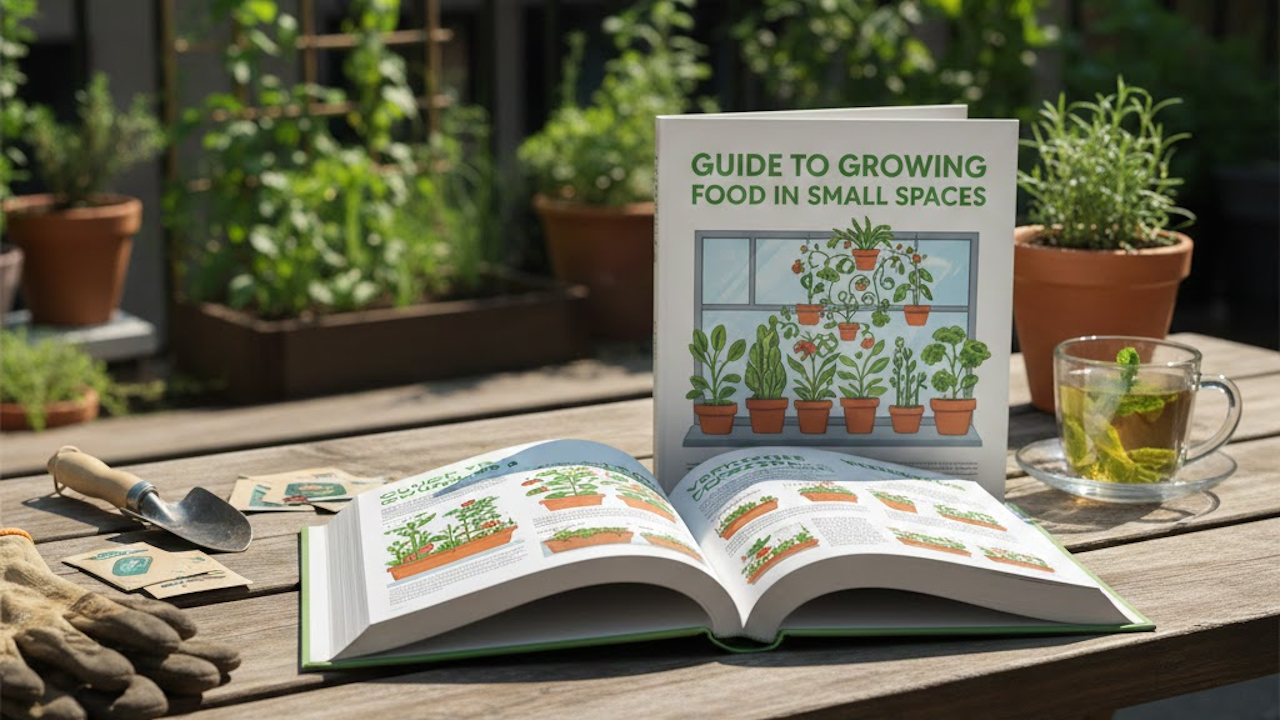
Understanding Small Space Gardening
Small space gardening refers to the practice of growing plants, particularly food crops, in limited environments such as balconies, patios, or even indoor areas. This approach is becoming increasingly relevant in urban settings where access to land is restricted, making efficient use of available space imperative for food production. By utilizing various gardening techniques, individuals can cultivate fresh produce regardless of their living arrangements.
One of the primary benefits of small space gardening is the ability to access homegrown food, which comes with numerous advantages. Homegrown vegetables and herbs provide superior freshness and flavor compared to store-bought options, and they can also help reduce grocery bills. Moreover, cultivating a garden, no matter how small, promotes sustainability by minimizing the carbon footprint associated with the transportation of food products.
However, small space gardening presents distinct challenges. Limited space requires strategic planning to maximize yield. Options include vertical gardening, container gardening, and using multi-tiered systems to optimize the area. Additionally, gardeners must consider factors such as sunlight availability, soil quality, and water drainage to ensure the healthy growth of plants within confined dimensions. Understanding the specific requirements of each plant type is crucial, as some may thrive better in restricted spaces than others.
Furthermore, small space gardening is not solely about growing a few potted plants; it encourages creativity and innovation. Urban dwellers can employ techniques such as hydroponics or aquaponics, which require less land and soil for successful cultivation. Community gardens can also serve as a resource for neighbors seeking to engage in small space gardening collectively.
In summary, by understanding the principles and methodologies of small space gardening, individuals can effectively overcome the limitations of their physical environment. Embracing these practices not only leads to the joy of gardening but also promotes healthier, more sustainable living choices in urban areas.
Choosing the Right Plants
When it comes to cultivating a garden in limited spaces, selecting the right plants is crucial. Small gardens, balconies, and patios can be transformed into productive growing spaces by carefully choosing plants that thrive in confined environments. Compact varieties of vegetables, herbs, and fruits are ideal for enhancing yield without requiring extensive ground area. For instance, cherry tomatoes, radishes, and dwarf varieties of squash can flourish in pots or raised beds, making them suitable for small spaces.
Herbs are another excellent choice when gardening in confined areas. They tend to have a small footprint while offering high culinary value. Varieties such as basil, cilantro, and rosemary not only add flavor to dishes but can often be grown indoors on windowsills or in small containers outdoors. Consider also utilizing vertical gardening techniques; planting herbs in stacked planters or hanging baskets can further maximize your available space.
Companion planting strategies can significantly enhance the productivity of your small garden. Certain plants, when grown together, can help deter pests, improve soil health, and increase yields. For example, growing basil alongside tomatoes is known to enhance flavor and repel harmful insects. Additionally, pairing lettuce with radishes can optimize space, as the radishes can be harvested before the lettuce fully matures, allowing for continuous cropping.
Creating a planting plan tailored to your specific space and climate is essential for successful gardening in small areas. Assess the amount of sunlight your area receives and select plants that thrive under those light conditions. Additionally, consider the climate in your region, as some plants are more suited to cool, temperate areas while others prefer warm climates. By thoughtfully selecting varieties that fit both your space limitations and local environmental conditions, you can cultivate a thriving mini garden that produces fresh food throughout the growing season.
Creative Gardening Techniques
Growing food in small spaces necessitates innovative gardening techniques tailored to maximize output while minimizing area usage. Vertical gardening has gained popularity as an effective method, allowing plants to grow upwards, thus conserving ground space. This technique involves using trellises, wall planters, or even repurposed shelves to create a garden that ascends rather than spreads out.
When implementing vertical gardening, it is crucial to select the appropriate tools and materials. Sturdy trellises made from wood, metal, or PVC pipe can support climbing vegetables such as peas, beans, and tomatoes. Additionally, using wall-mounted planters can enhance aesthetic appeal while providing a nurturing environment for herbs and smaller plants. Ensure you have a reliable watering system in place, as plants located vertically may require more frequent hydration.
Container gardening is another versatile option for small spaces, utilizing pots, buckets, or even repurposed containers for planting. This method allows for greater control over soil quality and moisture retention. To begin, select containers that have drainage holes and are made from materials that allow for adequate aeration. Fill them with high-quality potting soil and choose crops that are conducive to container growth, such as lettuce, radishes, and dwarf varieties of popular vegetables.
Raised beds provide another fruitful solution to limited garden space. Constructing a raised bed garden involves creating a rectangular frame made of materials like wood or stone. This structure elevates the soil, creating an ideal environment for root growth while ensuring good drainage. The soil within raised beds can be customized for specific crops, allowing gardeners to experiment with diverse plant selections. To start, create your raised bed, fill it with a mixture of topsoil and compost, and plant your seeds or seedlings according to their space requirements.
Lastly, hydroponics represents a soil-free alternative that is particularly effective in small spaces. This technique involves growing plants in nutrient-rich water, utilizing systems such as deep water culture or nutrient film technique. Hydroponic systems can be compact and require minimal maintenance, making them suitable for urban settings. Basic equipment such as a planting tray, reservoir, and air pump will be needed to establish your hydroponic garden successfully.
Maintenance and Harvesting Strategies
Growing food in small spaces requires a structured approach to both maintenance and harvesting. Successful cultivation not only depends on the initial planting but also on how effectively one manages resources, such as water and pest control, to enhance yield.
Watering practices play a pivotal role in the growth of plants. For small spaces, consider implementing a drip irrigation system, which ensures that water is delivered directly at the root level. This method conserves water and prevents moisture from accumulating on leaves, which can lead to fungal diseases. It is advisable to water early in the morning or late in the afternoon to minimize evaporation losses. Additionally, monitoring the soil moisture levels can provide better guidance on when to water, particularly during hot periods.
Pest management is another critical aspect of maintaining a small garden. Using organic methods, such as neem oil or insecticidal soap, can effectively control common pests without harming beneficial insects. Furthermore, introducing companion planting can deter pests naturally. For instance, planting marigolds alongside vegetables can repel nematodes and aphids, creating a healthier garden environment.
Understanding when and how to harvest your produce is essential for maximizing yield. Each type of vegetable has specific indicators for optimal harvesting. Leafy greens, for instance, can be harvested in stages, allowing continuous production from the same plant. For fruit-bearing plants, like tomatoes, it is crucial to wait until they are fully ripe for the best flavor, while root vegetables should be harvested when they reach a sufficient size. By marking calendars with these harvest dates, gardeners can ensure timely collection of their crops.
Incorporating these sustainable maintenance and harvesting strategies will aid in maximizing productivity even in limited spaces, paving the way for a rewarding gardening experience.