

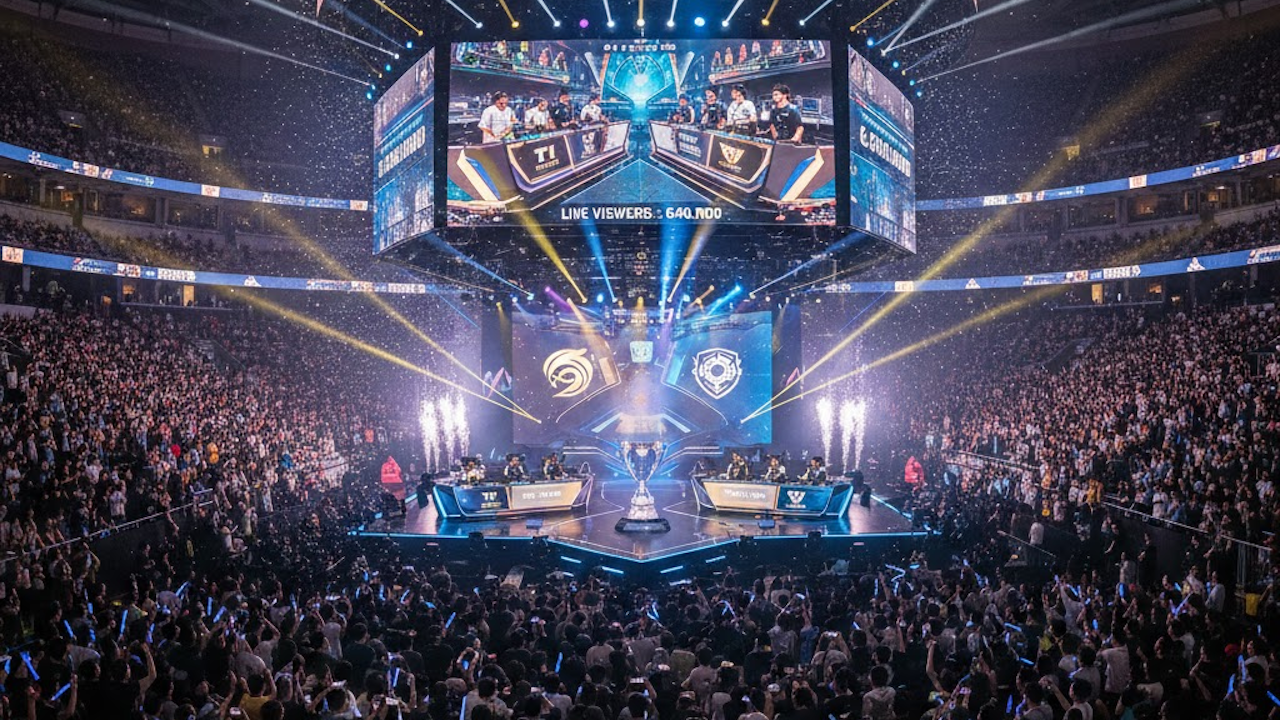
Esports has transformed from a niche hobby into a global entertainment phenomenon. Tournaments now regularly attract millions of concurrent viewers, rivaling or surpassing traditional sports events in digital reach. Organizers, players, and broadcasters celebrate new peaks in viewership as proof of the industry’s maturity and cultural significance. This article explores the major tournaments that have shattered records, the drivers behind this explosive growth, and what these numbers mean for the future of competitive gaming.
The journey to record-breaking audiences began years ago with pioneering events. Early League of Legends World Championships drew hundreds of thousands, but by the mid-2010s, numbers climbed into the millions. The 2015 LoL Worlds, for example, achieved a cumulative audience of 334 million unique viewers across online and television broadcasts. That tournament set a benchmark for what organized esports could accomplish on a worldwide stage.
League of Legends Worlds: The Undisputed Leader
League of Legends Worlds stands as the premier event in esports viewership. Year after year, it pushes boundaries. The 2021 grand final between DWG KIA and Edward Gaming reached a staggering 73.8 million peak concurrent viewers worldwide according to Guinness World Records. This figure represented a massive increase over the previous year and cemented LoL as a global powerhouse.
Subsequent editions continued the upward trend. Worlds 2023 peaked at over 6.4 million concurrent viewers. Worlds 2024 broke that mark with approximately 6.94 million peak viewers during its grand final, becoming one of the most-watched esports events in history. Worlds 2025 followed closely, drawing 6.75 million peak viewers in the grand final between T1 and KT Rolster. These numbers exclude certain major markets like China in some reports, meaning the true global figures are even higher.
T1’s dominance in recent years has fueled much of this interest. Matches featuring the South Korean organization consistently rank among the highest-viewed, with dramatic five-game series creating must-watch television. Opening days of Worlds 2025 also set records, with one early matchup exceeding 2.5 million viewers and shattering previous benchmarks for play-in stages.
Riot Games has invested heavily in production quality. Spectacular opening ceremonies, professional broadcasting teams, and multi-language streams make the event accessible to audiences across Asia, Europe, North America, and beyond. Korean-speaking broadcasts often lead in viewership shares, reflecting the region’s deep-rooted passion for the game.
Mobile Legends: Bang Bang and the Rise of Mobile Esports
While PC titles have long dominated headlines, mobile esports has surged dramatically. Mobile Legends: Bang Bang’s M7 World Championship in early 2026 achieved over 5.68 million peak viewers, marking it as one of the top mobile esports events ever. Indonesian-language streams in particular drove massive numbers, highlighting the game’s enormous popularity in Southeast Asia.
PUBG Mobile and other mobile titles have also contributed to this shift. Tournaments like the PUBG Mobile Global Championship have seen peaks above 1 million, proving that smartphones have democratized access to high-level competitive gaming. Players and fans no longer need expensive gaming rigs. A mobile device and an internet connection suffice for both participation and spectatorship.
This mobile boom expands the overall esports audience. Many new viewers enter through these more accessible platforms, then branch out to PC titles. The result is a broader, more diverse fanbase that sustains record viewership across multiple disciplines.
Dota 2’s The International: Prize Pools and Passion
Valve’s The International remains a cornerstone of esports. The event is famous for its enormous prize pools, often crowdfunded through in-game battle passes. TI10 in 2021 holds the record for Dota 2 with 2.74 million peak concurrent viewers. That edition benefited from pent-up demand after pandemic-related adjustments and featured an unforgettable underdog story with Team Spirit’s victory.
Later iterations have remained strong. The International 2025 reached nearly 1.78 million peak viewers, ranking as the third-highest in the game’s history. These tournaments generate tens of millions of hours watched, with dedicated fans tuning in for every strategic draft and team fight.
Dota 2’s complex gameplay appeals to viewers who appreciate deep tactical analysis. Casters provide insightful commentary that helps newcomers understand the action while satisfying veterans. The event’s festival atmosphere at international venues adds to its allure, blending online streaming with live attendance.
Counter-Strike and Valorant: FPS Titles Join the Record Books
First-person shooter games have carved out significant viewership niches. Counter-Strike majors, including events under BLAST and other organizers, have peaked around 1.7 to 2.7 million concurrent viewers in recent years. The transition to Counter-Strike 2 brought renewed interest with updated graphics and gameplay.
Valorant, Riot’s tactical shooter, has grown rapidly since its launch. Champions events have reached peaks exceeding 1.4 million, with strong showings in 2024 and 2025. The game’s emphasis on character abilities and precise gunplay attracts both casual and hardcore audiences. International teams from across the globe create compelling regional rivalries that boost engagement.
Factors Driving Record-Breaking Viewership
Several key elements explain why esports tournaments continue to break records.
Streaming Platforms and Accessibility: Twitch, YouTube, and regional services like NimoTV or Douyu make events available everywhere. Multi-language options and mobile-friendly streams lower barriers. Fans watch on phones during commutes, computers at home, or large screens at watch parties.
Social Media and Community Engagement: Highlights, memes, and player personalities spread rapidly on platforms like X and TikTok. Narratives around underdog stories, veteran comebacks, and intense rivalries turn matches into cultural moments.
Regional Passion and Demographics: Asia, particularly China, South Korea, and Southeast Asia, accounts for a massive share of viewership. Young audiences aged 18-34 form the core demographic, drawn to esports’ fast pace and digital-native format.
Production Quality and Investment: Organizers pour resources into high-definition broadcasts, expert analysis, and immersive experiences. Prize pools in the millions attract top talent, raising competitive standards and spectator interest.
Pandemic Acceleration and Post-Pandemic Growth: Restrictions in the early 2020s shifted more attention online. Even as live events returned, hybrid models and sustained digital habits kept numbers high. Global esports audiences reached estimates of over 640 million by 2025, including dedicated fans and occasional viewers.
Cross-Pollination and Mainstream Recognition: Collaborations with traditional sports leagues, celebrities, and brands introduce esports to new demographics. Successful integrations with music, fashion, and entertainment further expand reach.
Economic and Cultural Impact
Record viewership translates directly into economic value. Sponsorships, media rights, and advertising generate billions for the industry. Top players earn salaries and winnings comparable to traditional athletes. Tournaments with millions of viewers become prime opportunities for brands targeting younger consumers.
Culturally, these events foster global communities. Fans from different countries bond over shared passion, learning about other cultures through in-game chats and post-match interviews. Esports also inspires career paths in gaming, content creation, coaching, and event production.
Challenges remain. Issues like player burnout, match-fixing concerns, and platform dependency require ongoing attention. Inclusivity efforts aim to broaden participation beyond current strongholds.
The Road Ahead
As technology advances, viewership potential grows further. Virtual reality broadcasts, enhanced interactivity, and improved mobile experiences could attract even larger audiences. Emerging titles and regions will likely produce new record holders.
The Esports World Cup and other multi-title festivals demonstrate organizers’ ambitions to consolidate viewership. Events combining multiple games under one umbrella could create week-long spectacles rivaling the Olympics in digital scale.
League of Legends Worlds, Mobile Legends championships, and other majors have already proven esports can command audiences once thought impossible. With continued innovation and investment, future tournaments will undoubtedly surpass today’s records, solidifying competitive gaming as a permanent fixture in global entertainment.
The numbers tell a clear story: esports is not a passing trend but a thriving industry reshaping how the world experiences competition and community. As more fans tune in, the records will keep falling, each new peak marking another milestone in this remarkable evolution.