

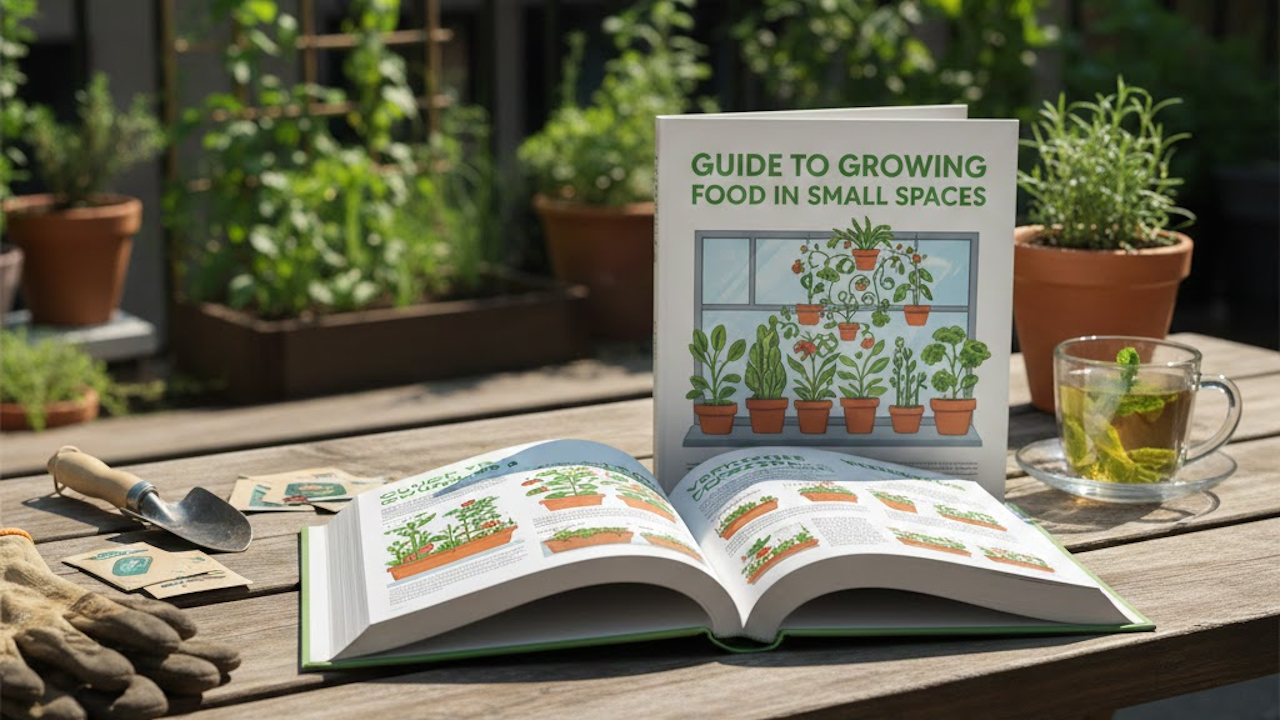
Growing your own food is a rewarding and practical pursuit, even when space is limited. In urban apartments, tiny backyards, or compact balconies, individuals can produce fresh vegetables, herbs, and fruits with minimal resources. This approach reduces grocery costs, promotes sustainability by cutting down on food transportation emissions, and provides a connection to nature. Whether you have a sunny windowsill or a small patio, container gardening and creative space utilization make it possible to harvest meals from your home. This guide covers everything from planning to harvesting, offering practical steps for beginners and experienced growers alike.
Why Grow Food in Small Spaces?
Urbanization has reduced access to traditional gardens, but small-space gardening addresses this gap effectively. Homegrown produce often tastes better because it can be picked at peak ripeness. It also minimizes exposure to pesticides found in commercial farming. Environmentally, it supports biodiversity by attracting pollinators and reduces waste through composting kitchen scraps. Economically, a few well-tended containers can yield hundreds of dollars worth of food annually. Studies show that even modest setups, like a balcony herb garden, can supply fresh ingredients for daily meals. Beyond these benefits, gardening improves mental health by offering a calming, productive hobby that encourages mindfulness and physical activity.
Assessing and Maximizing Your Available Space
Start by evaluating your space honestly. Measure sunlight exposure using a simple method: observe how many hours of direct sun each area receives daily. Most vegetables need at least six hours, while leafy greens and herbs tolerate four to six. Consider microclimates—south-facing windows or walls retain more heat, while shaded spots suit cool-season crops.
Common small spaces include:
- Windowsills for herbs and microgreens.
- Balconies or patios for larger containers.
- Vertical walls using hanging pockets or trellises.
- Indoor areas with grow lights for year-round production.
- Rooftops, if accessible and structurally sound.
To maximize space, think vertically. Install shelving units, wall-mounted planters, or hanging baskets. Use railings for secure pots. For apartments without outdoor access, indoor setups with reflective surfaces can amplify limited light. Stackable containers or tiered plant stands create multiple growing levels without expanding the footprint. Ensure stability to avoid accidents, especially with heavier pots on elevated surfaces.
Selecting Suitable Crops for Small Spaces
Focus on high-yield, compact varieties. Prioritize plants that produce continuously rather than one-time harvests.
Herbs are ideal starters: basil, mint, parsley, cilantro, thyme, rosemary, and oregano grow well in small pots and require little space. They provide flavor for countless dishes and many are perennial or regrow from cuttings.
Leafy greens thrive in tight quarters. Lettuce, spinach, kale, Swiss chard, and arugula mature quickly—often within 30 to 45 days—and can be harvested leaf by leaf for ongoing supply. Microgreens, such as radish or pea shoots, are ready in one to two weeks and pack intense nutrition.
Vegetables suited to containers include tomatoes (choose dwarf or patio varieties), peppers, eggplants, cucumbers (bush types on trellises), carrots (in deep pots), beets, and radishes. Bush beans and peas offer vertical interest while fixing nitrogen in the soil. For fruits, strawberries in hanging baskets or pots yield sweet results. Dwarf fruit trees like citrus or figs can work in larger containers, though they need consistent care.
Avoid sprawling crops like pumpkins or corn unless you have dedicated vertical support and patience. Consider companion planting—pairing basil with tomatoes to deter pests, for example—to optimize space and plant health.
Container Gardening Essentials
Containers are the backbone of small-space growing. Options range from traditional terracotta pots to recycled items like buckets, wooden crates, or even old boots. Ensure every container has drainage holes to prevent root rot. If drilling is needed, create several small holes in the bottom.
Size matters: herbs and greens need pots at least 6 to 8 inches deep, while tomatoes and peppers require 12 to 18 inches or more for root development. Self-watering containers reduce maintenance by including a reservoir that supplies moisture steadily.
Material choices affect performance. Plastic is lightweight and affordable but can heat up in sun. Terracotta breathes but dries out faster. Fabric grow bags offer excellent aeration and are foldable for storage. For aesthetics and longevity, glazed ceramic pots work well outdoors.
Position containers on saucers or trays to catch excess water, especially indoors. Elevate them slightly with feet or bricks to improve airflow and drainage.
Soil, Nutrients, and Amendments
Standard garden soil is too heavy for containers and compacts easily, leading to poor drainage. Use a high-quality potting mix formulated for containers, which is lighter and holds moisture while allowing air to roots. Mix in perlite or vermiculite for better aeration and coco coir for water retention.
Nutrient management is crucial since containers deplete resources faster than ground beds. Incorporate slow-release organic fertilizers at planting time. Compost adds beneficial microbes and structure—make your own from kitchen scraps and yard waste in a small bin or worm composter suitable for apartments.
Throughout the season, apply liquid feeds like diluted fish emulsion or seaweed extract every two to four weeks. Monitor leaves for signs of deficiency: yellowing may indicate nitrogen shortage, while purple tints suggest phosphorus issues. Mulch the soil surface with straw, leaves, or bark to retain moisture and suppress weeds.
Watering and Environmental Control
Consistent moisture is key, but overwatering is a common mistake. Check soil by inserting a finger an inch deep; water only when it feels dry. Morning watering minimizes evaporation and fungal risks. In hot weather, containers may need daily attention.
Drip irrigation kits or soaker hoses simplify the process for multiple pots. Self-watering systems or ollas (unglazed clay pots buried in soil) provide hands-off hydration. Collect rainwater when possible for its natural purity and lack of chemicals.
Temperature control matters. Protect plants from extreme heat with shade cloth or by moving pots to cooler spots. In cold climates, bring sensitive plants indoors or use row covers. Humidity levels affect indoor grows—grouping plants together creates a beneficial microclimate.
Lighting Solutions for Limited Sun
Sunlight drives photosynthesis, but many spaces fall short. Supplement with full-spectrum LED grow lights, which are energy-efficient and produce little heat. Position lights 6 to 12 inches above plants, running them 12 to 16 hours daily depending on crop needs. Timers automate this for convenience.
Reflective materials like white walls, aluminum foil, or mylar sheets bounce light to underlit areas. Rotate pots regularly for even growth. For windowsill gardens, choose south-facing exposures and clean windows to maximize transmission.
Vertical and Innovative Growing Methods
Vertical gardening multiplies usable area dramatically. Trellises, obelisks, or wall grids support climbing plants like beans, peas, or indeterminate tomatoes. Pocket planters or living walls turn blank surfaces into productive gardens. Hanging towers or stacked planters utilize height efficiently.
Hydroponics offers soil-free growing with faster results. Simple wick or Kratky systems use nutrient-rich water and work well indoors. Aquaponics combines fish and plants in a symbiotic loop, though it requires more setup and monitoring.
For ultra-small spaces, sprouting jars or countertop aeroponic towers produce greens with minimal effort. These methods conserve water and space compared to traditional soil gardening.
Seasonal Planning and Succession Planting
Plan crops according to seasons for continuous harvests. In spring, start cool-season greens, peas, and radishes. Summer brings heat-lovers like tomatoes, peppers, and basil. Fall revives leafy crops and root vegetables. Winter focuses on indoor herbs and microgreens.
Use succession planting: sow new seeds every few weeks to stagger maturity. Interplant fast-growing radishes with slower tomatoes. Save seeds from successful plants to reduce costs and adapt varieties to your conditions over time.
Track planting dates, weather, and yields in a notebook or simple app to refine future seasons.
Pest and Disease Management
Small spaces concentrate plants, increasing vulnerability. Prevention is easier than cure. Start with healthy seedlings and clean tools to avoid introducing problems.
Common pests include aphids, spider mites, and whiteflies. Hand-pick larger insects or use insecticidal soap sprays. Companion plants like marigolds repel many bugs naturally. For diseases such as powdery mildew, ensure good airflow and avoid wetting leaves excessively.
Beneficial insects like ladybugs can be introduced in controlled numbers. Neem oil serves as a versatile organic treatment. Monitor regularly—early detection limits damage.
Harvesting, Preserving, and Enjoying the Bounty
Harvest at the right time for best flavor. Leafy greens can be cut repeatedly, while fruits and roots are picked when fully colored and firm. Use clean scissors or pruners to avoid damaging plants.
Preserve excess produce through drying herbs, freezing vegetables, or making simple pickles and sauces. Share harvests with neighbors to build community and reduce waste.
Incorporate your yields into meals: fresh salads, herb-infused oils, or roasted root vegetables. The satisfaction of farm-to-table dining at home motivates continued efforts.
Overcoming Common Challenges
Limited space often means dealing with wind on balconies—secure pots with ties and choose sturdy varieties. Soil-borne diseases accumulate in reused containers; refresh or sterilize soil between seasons.
Pollination can be an issue indoors; gently shake flowering plants or use a small brush to transfer pollen. Nutrient imbalances arise from inconsistent feeding—establish a routine.
Beginners may face failures, but each teaches valuable lessons. Start small with a few pots to build confidence before expanding.
Advanced Tips for Greater Success
Experiment with heirloom varieties for unique flavors and seed-saving potential. Integrate technology like soil moisture sensors or automated lights for precision care. Join online communities or local gardening groups for advice tailored to your region.
Compost tea brewing provides a nutrient boost using minimal equipment. Rainwater harvesting systems, even small barrels, support eco-friendly watering. For apartment dwellers, consider balcony greenhouses or cold frames to extend seasons.
Track carbon footprint reductions from your garden to appreciate broader impacts.
Conclusion
Growing food in small spaces proves that productivity does not require acres of land. With thoughtful planning, appropriate plant selection, and consistent care, anyone can cultivate a thriving edible garden. The process yields not only fresh food but also skills, joy, and a deeper appreciation for natural cycles. Begin with what you have available today—a single pot of basil on a windowsill can spark a lifelong passion. As you expand and refine your setup, the rewards compound, turning limited areas into abundant sources of nourishment and satisfaction. Embrace the journey, learn from each season, and enjoy the fruits of your labor.