

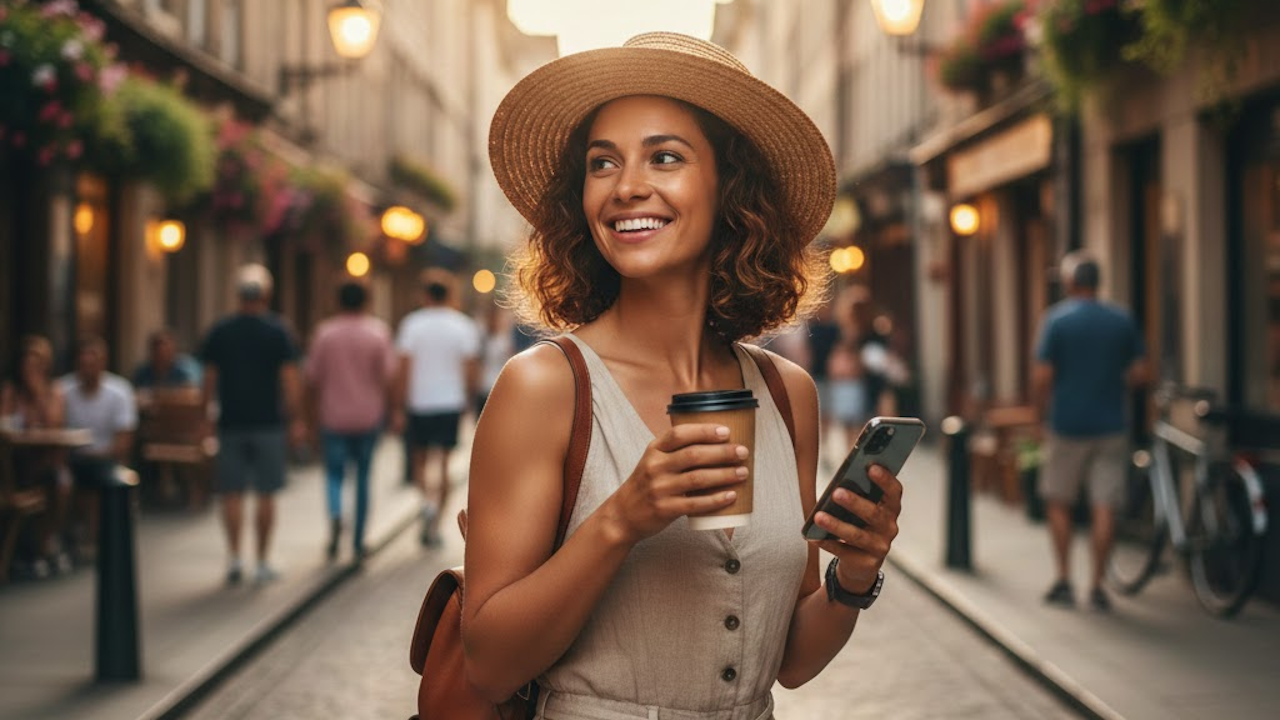
In recent years, the image of the lone traveler has shifted from a figure of mystery or misfortune to one of aspiration and empowerment. Once considered a niche pursuit for the exceptionally brave or the socially isolated, solo travel has exploded into a mainstream global trend. From Gen Z backpackers to retirees seeking a second wind, millions are choosing to leave their friends and family behind to explore the world on their own terms.
This cultural pivot is driven by more than just a desire for a vacation. It reflects a deeper shift in how we value autonomy, mental health, and personal growth in an increasingly connected yet demanding world.
The Ultimate Freedom: No More Compromise
The primary driver behind the rise of solo travel is the unparalleled freedom it provides. When traveling with a group or a partner, every decision involves a negotiation. You must agree on the destination, the budget, the pace of the day, and even the choice of restaurant for dinner. These small compromises can often dilute the experience, leading to “decision fatigue” or a feeling that the trip belonged to the group rather than the individual.
Solo travelers enjoy the luxury of total control. If you want to spend six hours in a single art gallery, you can. If you decide to cancel your afternoon plans to read a book by a fountain, there is no one to guilt you into sticking to a schedule. This ability to follow one’s own rhythm is an intoxicating antidote to the highly structured lives many people lead.
The Psychological Catalyst: A Journey Inward
Modern travel is increasingly viewed through the lens of wellness and mental health. In 2026, many travelers cite burnout and “screen fatigue” as their primary motivations for booking a trip alone. Traveling solo forces a level of presence that is rarely achieved in daily life. Without the buffer of a companion, you are more likely to notice the small details of your surroundings and engage more deeply with the local culture.
Furthermore, the “solo shift” is a powerful tool for building resilience. Navigating a foreign transit system, overcoming language barriers, and solving unexpected logistical problems on your own provides a massive boost to self-efficacy. Each successfully navigated hurdle serves as a reminder of one’s own competence. For many, this leads to a “main character energy” that they carry back into their professional and personal lives.
The Rise of the “Digital Nomad” and Remote Work
The evolution of work culture has played a significant role in making solo travel accessible. The post-pandemic normalization of remote work means that the “workcation” is no longer just for freelancers. Many corporate professionals now take advantage of flexible “work-from-anywhere” policies to spend a month in a new city.
Since it can be difficult to find a friend whose work schedule and travel desires align perfectly, many choose to go it alone. This has birthed a new infrastructure of co-living spaces and solo-friendly accommodations that offer high-speed internet alongside communal areas. These environments allow travelers to be alone without being lonely, providing a built-in community of like-minded individuals.
Technology as a Safety Net
It is impossible to discuss the solo travel trend without acknowledging the role of technology. A decade ago, the logistics of solo travel were daunting. Today, the smartphone acts as a universal toolkit.
- Navigation: Real-time GPS and offline maps have eliminated the fear of getting lost in a dangerous or unfamiliar area.
- Communication: Translation apps allow for meaningful interactions in languages the traveler doesn’t speak.
- Safety: Features like “Live Location Sharing” and specialized solo travel apps provide a digital safety net, giving travelers (and their families) peace of mind.
- Social Connection: Platforms like Meetup, Bumble BFF, and dedicated Facebook groups for solo travelers make it easy to find a dinner companion or a hiking buddy for a single afternoon.
The Changing Face of the Solo Traveler
While solo travel was once dominated by young backpackers, the demographics have broadened significantly.
- Women Leading the Way: Statistics show that women make up nearly 84% of the solo travel market. For many women, traveling alone is a profound act of independence and a way to reclaim space in the world.
- The “Silver Solo” Trend: There is a growing number of travelers over the age of 50 who are choosing solo adventures. Whether they are widowed, divorced, or simply have partners who don’t share their interests, these “Silver Solos” are often looking for high-end, immersive experiences.
- Parents on “Me-Moons”: A surprising sub-trend involves parents taking solo trips to recharge away from their children and partners, prioritizing their own identity and growth outside of their domestic roles.
Why It Is Here to Stay
As the travel industry adapts, the “single supplement” fees that once penalized solo travelers are slowly being phased out. Hotels are designing smaller, more affordable single rooms, and tour operators are creating “solo-only” itineraries to meet the soaring demand.
Going solo is no longer seen as a last resort for those who cannot find a partner. Instead, it is a deliberate choice to prioritize self-discovery and freedom. In an age where we are constantly tethered to others through social media and work, the act of going away alone is perhaps the ultimate modern luxury. It is a chance to find out who you are when no one is watching.