

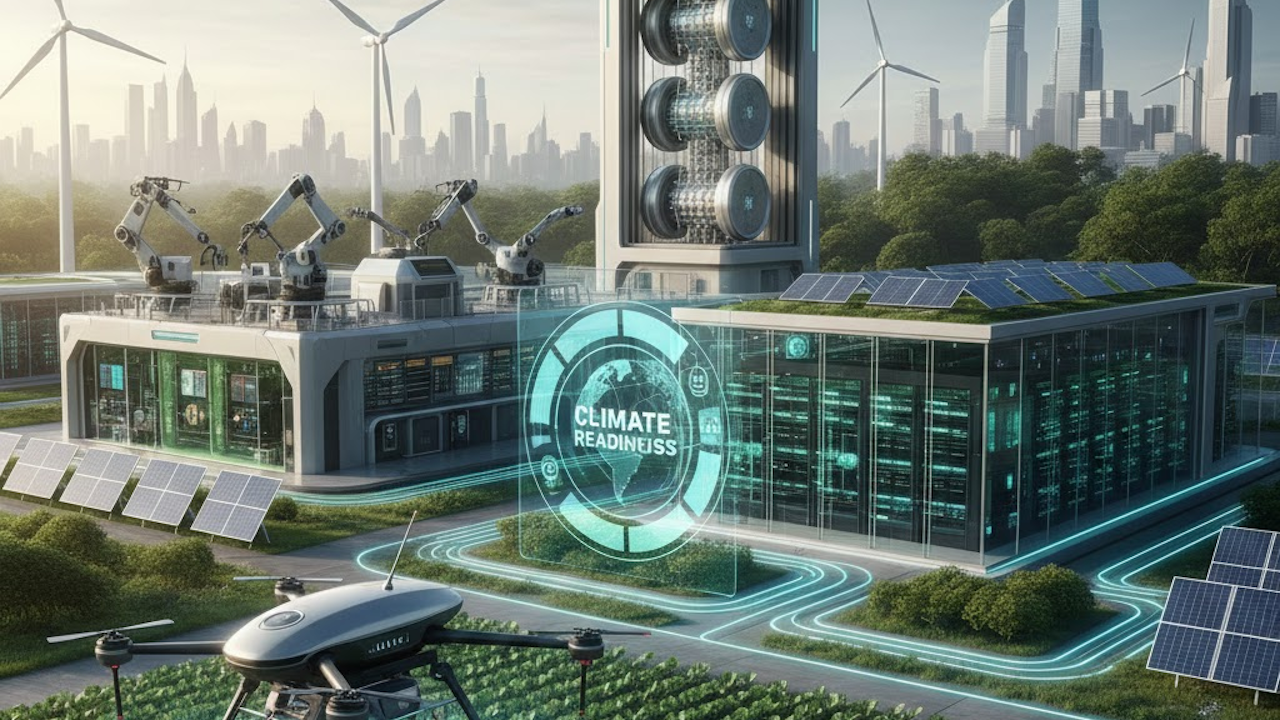
The world stands at a critical juncture where technological advancement and environmental stewardship must converge to address the pressing challenges of climate change, resource depletion, and biodiversity loss. As global temperatures rise and extreme weather events become more frequent, innovation in technology offers pathways to a more sustainable future. From renewable energy systems to artificial intelligence-driven resource management, these breakthroughs are not only reducing carbon emissions but also fostering economic growth and improving quality of life. This article explores key technological innovations reshaping sustainability efforts across sectors.
Renewable Energy Breakthroughs
Solar and wind power have matured significantly, moving from niche applications to mainstream energy sources. Advances in photovoltaic cell efficiency have been pivotal. Perovskite solar cells, for instance, promise higher conversion rates than traditional silicon panels while using less material and enabling flexible, lightweight designs suitable for diverse installations. Researchers continue to refine tandem cells that stack perovskite with silicon, achieving efficiencies exceeding 30 percent in laboratory settings.
Offshore wind farms benefit from larger, more resilient turbines equipped with advanced materials like carbon fiber composites. These turbines can withstand harsh marine environments and generate power even in lower wind conditions. Floating wind platforms extend deployment to deeper waters, unlocking vast energy potential far from shorelines.
Energy storage remains a crucial enabler. Lithium-ion batteries have seen dramatic cost reductions and performance improvements, but next-generation alternatives are emerging. Solid-state batteries offer higher energy density and enhanced safety by replacing liquid electrolytes with solid materials. Flow batteries, using liquid electrolytes stored in external tanks, provide scalable solutions for grid-level storage, allowing excess renewable energy to be captured and dispatched when needed.
Hydrogen technology adds another layer. Green hydrogen, produced through electrolysis powered by renewables, serves as a clean fuel for hard-to-decarbonize sectors such as steelmaking, aviation, and long-haul shipping. Innovations in electrolyzer efficiency and infrastructure are accelerating adoption, with pilot projects demonstrating viable supply chains.
Smart Grids and Energy Management
Modernizing electricity grids is essential for integrating intermittent renewable sources. Smart grids leverage Internet of Things sensors, advanced metering infrastructure, and real-time data analytics to balance supply and demand dynamically. These systems can predict consumption patterns, detect faults proactively, and optimize distribution to minimize waste.
Artificial intelligence plays a central role here. Machine learning algorithms forecast energy production from solar and wind farms with remarkable accuracy, enabling better integration into the grid. Demand-response programs, powered by AI, incentivize consumers to shift usage during peak times, reducing the need for fossil fuel backups.
Microgrids represent a decentralized approach, allowing communities or facilities to operate independently or in tandem with the main grid. These localized networks enhance resilience against outages and support integration of local renewables and storage. In remote or underserved areas, microgrids powered by solar and batteries bring reliable electricity, driving socioeconomic development while cutting emissions.
Electric Mobility and Transportation Innovations
The transportation sector, a major emitter of greenhouse gases, is undergoing rapid transformation. Electric vehicles have surged in popularity thanks to improvements in battery range, charging speed, and affordability. Solid-state batteries could further extend ranges and shorten charging times, addressing range anxiety.
Beyond passenger cars, electrification extends to buses, trucks, and even ships. Battery-electric and hydrogen fuel cell trucks are entering commercial fleets, supported by expanding charging and refueling networks. Autonomous driving technologies optimize routes, reduce idling, and improve fuel efficiency in electric fleets.
Aviation explores sustainable options. Sustainable aviation fuels derived from waste oils or agricultural residues offer drop-in compatibility with existing engines. Electric and hybrid-electric propulsion systems are advancing for short-haul flights, while hydrogen-powered aircraft concepts promise zero-emission long-distance travel.
Urban mobility benefits from shared electric scooters, bikes, and autonomous pods. Integrated mobility platforms use AI to combine public transit, ride-sharing, and micromobility options, reducing private vehicle dependency and lowering overall emissions.
Circular Economy and Waste Management Technologies
Sustainability requires closing material loops. Advanced recycling technologies recover valuable resources from electronic waste, plastics, and construction debris. Chemical recycling breaks down polymers into monomers for high-quality reuse, surpassing the limitations of mechanical recycling.
Blockchain enhances traceability in supply chains, ensuring materials are sourced responsibly and recycled effectively. Digital product passports provide detailed information on composition and lifecycle, facilitating repair, reuse, and recycling.
Biotechnology contributes through engineered microbes that break down plastics or produce biodegradable alternatives. Mycelium-based materials from fungi offer sustainable substitutes for leather and packaging, while precision fermentation creates animal-free proteins and fabrics with minimal environmental footprint.
Carbon Capture and Climate Technologies
Direct air capture and carbon capture utilization and storage technologies are gaining traction. Improved sorbents and membranes lower energy requirements for extracting carbon dioxide from the atmosphere or industrial exhausts. Captured CO2 can be stored underground or converted into useful products like concrete, fuels, or chemicals.
Nature-based solutions receive technological boosts. Drones and satellite imagery monitor reforestation efforts and biodiversity. AI analyzes vast datasets to optimize conservation strategies and predict ecosystem responses to climate shifts.
Geoengineering concepts, such as marine cloud brightening or enhanced rock weathering, remain controversial but are studied as potential supplements to emission reductions. Rigorous ethical and environmental assessments guide their development.
Agriculture and Food Systems Innovation
Feeding a growing population sustainably demands efficiency. Vertical farming and controlled-environment agriculture use LED lighting, hydroponics, and automation to produce crops year-round with significantly less water and land. AI optimizes growing conditions, minimizing inputs while maximizing yields.
Precision agriculture employs sensors, drones, and satellite data to apply water, fertilizers, and pesticides only where needed. This targeted approach reduces runoff and pollution. Gene editing tools like CRISPR enable crops with enhanced drought resistance, higher nutritional value, and lower resource needs.
Alternative proteins from plant-based, cell-cultured, or fermentation sources decrease reliance on traditional livestock farming, which contributes substantially to methane emissions and land use. These innovations promise to transform diets while preserving ecosystems.
Artificial Intelligence and Data-Driven Sustainability
AI emerges as a cross-cutting force. Climate models powered by machine learning provide more accurate predictions of extreme weather, informing adaptation strategies. AI optimizes industrial processes to reduce energy consumption and waste, from steel production to data centers.
Digital twins simulate entire cities or supply chains, allowing planners to test sustainability interventions virtually before real-world implementation. Big data analytics identify inefficiencies and opportunities for decarbonization across sectors.
However, AI itself consumes significant energy. Innovations in efficient algorithms, specialized hardware, and renewable-powered data centers mitigate this footprint.
Challenges and Considerations
Despite progress, hurdles remain. Scaling technologies requires substantial investment, policy support, and international collaboration. Supply chain vulnerabilities for critical minerals used in batteries and electronics necessitate recycling and alternative materials research.
Equity is vital. Sustainable solutions must be accessible globally, particularly in developing nations. Technology transfer, capacity building, and financing mechanisms play key roles.
Public acceptance and behavioral change complement technological fixes. Education and transparent communication build trust and encourage adoption.
The Path Forward
Tech innovations are laying the foundation for a sustainable future, demonstrating that economic prosperity and environmental health can align. Continued research, supportive policies, and cross-sector partnerships will accelerate deployment. As these technologies mature and integrate, they hold the potential to limit global warming, restore ecosystems, and create resilient societies.
The transition demands urgency and collective action. By harnessing human ingenuity through science and engineering, future generations can inherit a planet where technology serves as a steward of the environment rather than an exploiter. The sustainable future is not a distant dream but an achievable reality being built today through relentless innovation.