

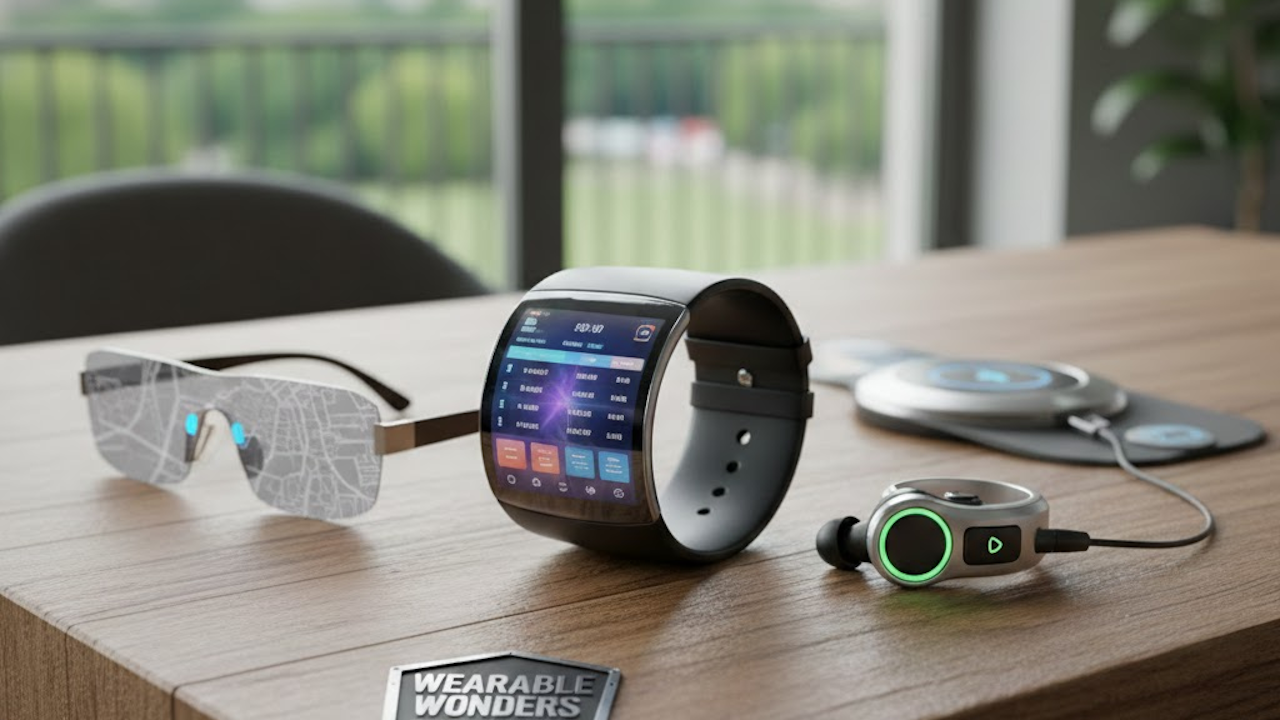
Wearable technology, often referred to as wearables, encompasses a wide range of devices designed to be comfortably worn on the body. This innovative category of technology has evolved significantly over the past decade, transitioning from basic fitness trackers to sophisticated gadgets that provide a multitude of functionalities. Initially, these devices focused primarily on health-monitoring features such as step counting, heart rate tracking, and sleep analysis. However, advancements in technology have led to the development of smartwatches, fitness bands, and even smart clothing, which cater to a variety of needs and preferences.
The evolution of wearable technology is rooted in the growing demand for convenience and connectivity. As consumers increasingly seek tools that integrate seamlessly into their daily lives, the appeal of wearables has expanded beyond fitness enthusiasts to a broader audience. Devices now offer extensive features, including notifications for calls and messages, GPS tracking, music control, and access to various applications. This multifunctionality has made wearables not just fitness companions, but essential lifestyle gadgets.
Moreover, the acceptance of wearable technology has surged across various sectors. In healthcare, for instance, wearables are being utilized to monitor patients’ vital signs remotely, allowing for more proactive medical interventions. The fitness industry has embraced wearables as they empower users to track their activity levels and health metrics with unprecedented accuracy. Even the fashion industry has recognized the potential of wearable tech, introducing stylish designs that appeal to the fashion-conscious consumer. As society continues to embrace these gadgets, the impact of wearable technology on everyday life is becoming increasingly prominent.
Types of Wearable Gadgets
Wearable gadgets have revolutionized the way we interact with technology daily, offering a multitude of functionalities tailored to various consumer needs. These devices can be categorized into several primary groups, each with its distinct features and advantages.
Firstly, smartwatches represent one of the most popular categories of wearables, combining traditional timekeeping with advanced functionalities. These devices enable users to receive notifications, track health metrics, and access apps directly from their wrists. With features such as heart rate monitoring, GPS tracking, and customizable interfaces, smartwatches cater to those looking for both convenience and sophistication.
Another significant category is fitness bands, which focus predominantly on health and fitness tracking. Unlike smartwatches, fitness bands often have a more streamlined design, prioritizing features such as step counting, sleep monitoring, and activity tracking. These devices appeal to fitness enthusiasts and individuals aiming to adopt a healthier lifestyle by providing detailed insights into physical activity levels.
Smart clothing is an emerging segment that incorporates technology directly into the fabric. From shirts that monitor heart rate to pants equipped with posture correction sensors, smart clothing offers an innovative approach to health tracking. This category not only provides data but also enhances the overall user experience through comfortable and functional design.
Augmented reality glasses represent a blend of wearable technology and immersive experiences. These devices overlay digital information onto the real world, enabling users to interact with their environment in novel ways. Applications range from navigation to gaming, showcasing the versatility of augmented reality in enhancing everyday tasks.
Lastly, health monitors are specifically designed to track vital health metrics, such as blood glucose levels or blood pressure, providing real-time insights for individuals managing chronic conditions. These devices highlight the critical role of wearables in personal health management.
In summary, each type of wearable gadget offers unique features and functionalities tailored to diverse consumer needs, serving various purposes from fitness tracking to enhancing daily experiences through technology. Understanding these categories is essential for consumers seeking the right wearable solution for their lifestyle.
Benefits of Wearing Technology Daily
The integration of wearable technology into everyday life has gained immense popularity due to the multitude of benefits it offers. One of the most significant advantages is enhanced health monitoring. Devices such as smartwatches and fitness bands allow users to track vital statistics, including heart rate, sleep patterns, and physical activity levels in real time. This constant health monitoring can lead to early detection of potential health issues, enabling users to seek medical advice proactively. According to a survey by the Consumer Technology Association, 51% of American adults who own wearables report they have improved their overall health by regularly monitoring their data.
Moreover, wearables can significantly boost productivity. Many smart devices provide seamless access to notifications, calendars, and emails right on the user’s wrist, reducing the need to pull out a smartphone. This convenience not only streamlines communication but also minimizes distractions associated with switching between devices. A report from the International Data Corporation highlights that 70% of workers believe wearable technology aids in enhancing their efficiency and focus during work hours.
In addition to these functional benefits, wearable technology serves a motivational purpose in achieving fitness goals. Many fitness trackers include goal-setting features, reminders, and social sharing capabilities, fostering a sense of accountability among peers. For example, users of the Fitbit platform are shown to engage in more physical activities when they can share their progress with friends. This community aspect encourages individuals to stay committed to their health and fitness routines.
Ultimately, the daily use of wearable technology not only facilitates better health management and increased productivity but also promotes a supportive environment for achieving personal fitness goals through social interactions and challenges. The convergence of these factors significantly contributes to an overall improved quality of life for users.
The Future of Wearable Gadgets
The future of wearable gadgets is poised to undergo significant transformations as technology continues to advance at an unprecedented pace. One of the most pressing trends is the integration of artificial intelligence (AI) and the Internet of Things (IoT) into wearable devices. This synergy is anticipated to enhance the functionality of wearables, enabling them to provide real-time data analytics and predictive insights, ultimately improving user experience.
In terms of design, future wearable gadgets are expected to become increasingly more sophisticated and personalized. The incorporation of flexible electronic materials may lead to wearables that can blend seamlessly with clothing or even be embedded in skin patches. These innovations aim to make wearables more discreet and fashionable, thereby encouraging wider acceptance among consumers who may have previously viewed them as bulky or unattractive.
Another key area of development is health diagnostics. As wearables evolve, they are expected to feature advanced sensors capable of monitoring a wider range of health metrics beyond conventional heart rate and activity tracking. For example, wearables could soon provide insights into blood sugar levels, dehydration, and even chronic conditions, allowing users to take proactive measures regarding their health.
Battery life is another hurdle that manufacturers are working to overcome. Future wearables may incorporate solar technology or advanced energy storage solutions to extend usage time significantly, reducing the necessity for frequent charging. Improved connectivity will also play a crucial role; enhanced data transfer rates and seamless integration with other smart devices will drive the evolution of the wearables ecosystem.
However, with these advancements come challenges, particularly concerning data privacy and security. As wearable technology collects more sensitive personal information, ethical considerations regarding consent and data protection must be rigorously addressed. The future of wearable gadgets holds exciting possibilities, but it is imperative that developers strike a balance between innovation and ethics to build consumer trust.