

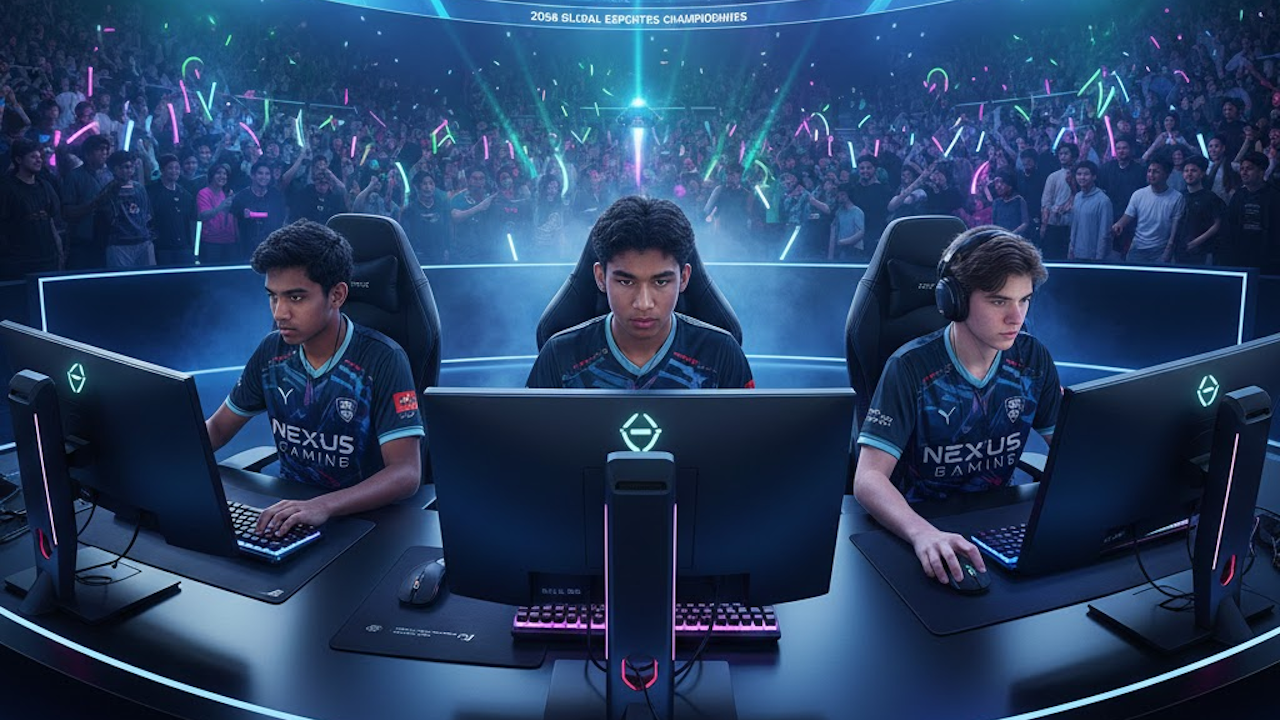
The esports landscape has transformed dramatically in recent years. What began as a niche hobby for competitive gamers has evolved into a global industry attracting millions of fans and generating billions in revenue. One of the most striking trends is the surge in players transitioning from amateur or semi-professional scenes into full-time professional contracts. Organizations are signing talent at unprecedented rates, fueled by expanding leagues, massive prize pools, and growing legitimacy as a viable career path.
In 2025 and into 2026, the number of professional esports players has climbed steadily. Global esports audiences reached approximately 640 million, with dedicated enthusiasts making up over 318 million of that figure. Industry revenue hovers around 5 billion dollars annually, supported by sponsorships, media rights, and events that draw record viewership. Tournaments like the Esports World Cup 2026 in Paris feature a 75 million dollar prize pool across 24 titles and over 2,000 players from more than 100 countries.
This explosion of opportunities has created a robust pipeline for aspiring pros. Amateur leagues, academy systems, and online platforms now feed directly into top-tier teams. The average journey from lower divisions to elite competition takes about 2.5 years of consistent grinding, according to analyses of Counter-Strike pathways. Many players spend multiple seasons in open and main divisions before breaking through.
The Drivers Behind the Boom
Several factors explain why more stars are turning pro than ever before. First, the financial incentives have never been stronger. Top players in titles like Counter-Strike 2 and VALORANT can command salaries exceeding 400,000 dollars per year, with additional earnings from prize money, streaming, and endorsements. Even mid-tier professionals often secure livable wages that surpass traditional entry-level jobs.
League of Legends players in Europe’s LEC average around 240,000 euros annually, while North American VALORANT talents frequently earn between 35,000 and 40,000 dollars monthly at the high end. Prize pools across all esports exceeded 270 million dollars in 2025, with Counter-Strike 2 leading at over 32 million. The Esports World Cup alone has distributed tens of millions in recent editions.
Second, professionalization has improved infrastructure. Teams invest heavily in academies and development programs. For instance, Gen.G’s academy produced Xiesta, who signed a record four-year professional contract with the organization, the longest in its history. Such structured pathways reduce the risk for young talents and provide coaching, facilities, and competitive experience before full pro debuts.
Third, cultural acceptance has grown. A Logitech G study found that 54 percent of people globally view esports as a legitimate career, with Gen Z support reaching 67 percent. Nearly 8 percent of respondents worldwide would choose pro gaming as a career restart, outranking several traditional professions. In countries like Brazil, South Korea, and China, acceptance rates are even higher.
This shift encourages more young people to pursue esports seriously. College programs, national teams, and events like the Asian Games now include esports, further validating the path.
Notable Talents Making the Leap
Recent years have seen a wave of promising players securing pro contracts. In Counter-Strike 2, 17-year-old Bulgarian talent Jorko joined Team Liquid as the new AWPer, highlighting how organizations scout and sign teenagers with high potential.
Turkish rifler xfl0ud moved from HEROIC to FUT Esports in 2026, replacing a benched player and debuting in major events like the BLAST Bounty Summer. His move exemplifies roster shuffling driven by performance and team needs.
In VALORANT, Polish player PROFEK transitioned through several teams before landing with Team Vitality, accumulating solid winnings and competing in high-stakes events like the Esports World Cup.
League of Legends has witnessed significant reshuffles. Teams like T1 signed Peyz as a new carry after star departures, while others integrated Korean imports and regional talents to strengthen rosters for international competition.
Dota 2 veterans continue to rack up matches and earnings, with players like Fly reaching 3,000 professional maps. Younger talents benefit from expanded circuits and massive events.
These stories reflect a broader pattern. Academies and lower-tier leagues serve as proving grounds. Players like those from FURIA or GamerLegion demonstrate persistence, spending years in amateur divisions before elite breakthroughs. Success often requires not just mechanical skill but adaptability, teamwork, and mental resilience.
Challenges on the Road to Pro
Despite the record numbers, the path remains demanding. Burnout affects many players, with studies indicating around 40 percent report symptoms annually. Careers are relatively short compared to traditional sports, with peak earnings often around age 21. Battle royale and mobile titles skew even younger.
Competition is fierce. Thousands compete for limited roster spots. Regional differences matter: North America offers high salaries but intense pressure, while Asia boasts deeper talent pools and structured systems. Gender representation remains skewed, with males comprising the vast majority of pros.
Financial instability plagues lower tiers. Many aspiring players balance streaming, part-time jobs, or family support while grinding ranked ladders and amateur tournaments. The median time in lower divisions underscores that overnight success is rare; most endure seasons of grinding before contracts materialize.
Mental health support, coaching in psychology, and better contracts have improved, but gaps persist. Organizations increasingly provide resources to extend careers and sustain performance.
Global Reach and Regional Highlights
Asia dominates, with China and South Korea leading in player bases and infrastructure. China alone has hundreds of millions of gamers and robust leagues. South Korea’s systems produce consistent talent. The Asia-Pacific region accounts for a majority of global viewership.
North America and Europe contribute strong organizations and high-paying markets. Brazil and other Latin American countries show passionate fanbases and rising talent. Events like the Esports World Cup bring international unity, with players from over 100 nations competing.
National teams and multi-game events further professionalize the scene. Indonesia’s preparations for the Asian Games 2026 exemplify government and federation investment.
The Future Outlook
Projections indicate continued growth. Audiences could approach 925 million by 2030. Revenue forecasts vary but point upward, driven by sponsorships and new formats. Prize money for top players may reach millions annually in coming decades.
Technological advances, such as improved broadcasting and virtual experiences, will enhance accessibility. Integration with traditional sports, Olympic recognition discussions, and corporate involvement will sustain momentum.
For aspiring players, the message is clear: dedication pays off more than ever. Structured training, community engagement, and performance data analysis become key differentiators. Scouts monitor platforms like FACEIT and ESEA closely.
Parents and educators increasingly recognize esports as a skill-building activity fostering strategy, teamwork, and quick thinking. Schools and universities expand programs accordingly.
Conclusion
The record numbers of esports stars turning pro signal a maturing industry. From teenage prodigies signing with powerhouse organizations to veterans extending legacies, the ecosystem supports more full-time competitors than at any point in history. Massive events, lucrative contracts, and cultural acceptance create unprecedented opportunities.
Yet success demands resilience amid the grind. As the sector expands, stakeholders must address sustainability, diversity, and player welfare to ensure long-term health. For now, the surge reflects excitement and potential. Young talents worldwide dream bigger, knowing that with skill and perseverance, a professional career in gaming is more achievable than ever.
This trend will likely accelerate. With billions in global gaming participation and esports at the forefront, the next generation of stars is already queuing up in amateur servers, ready to make their mark on the biggest stages. The future of competitive gaming looks brighter and more professional with each new signing.