

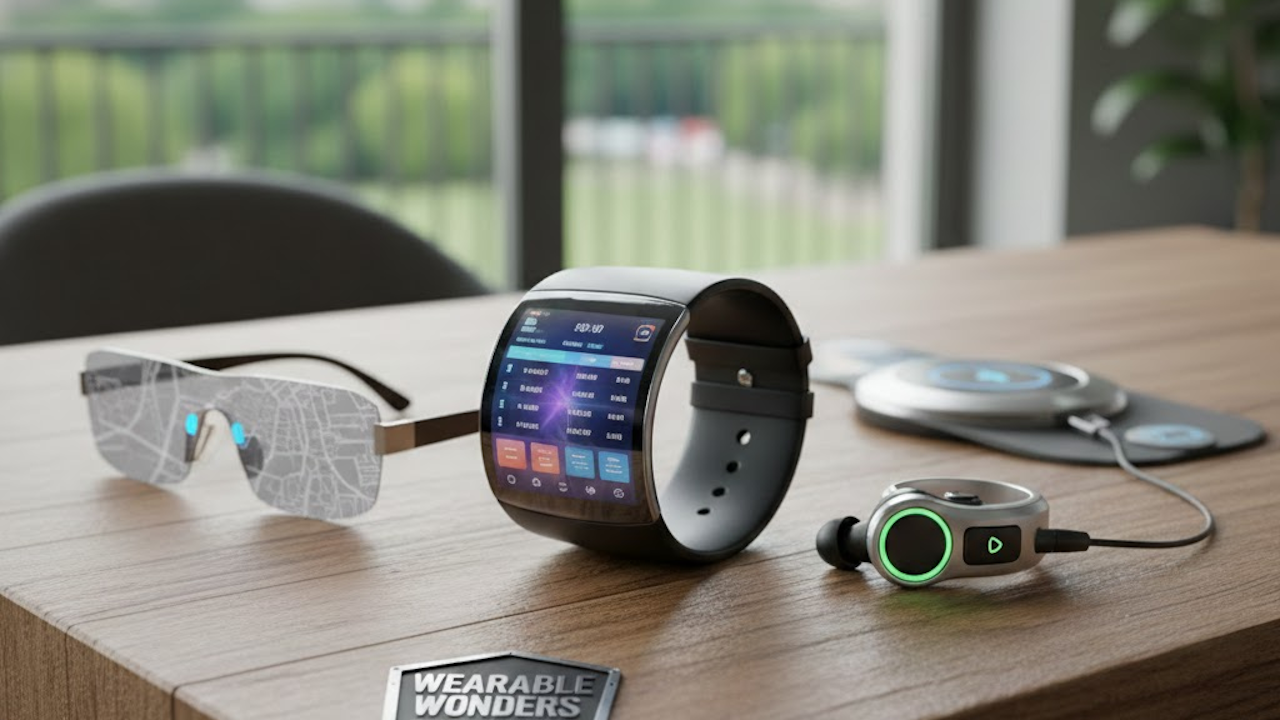
In an era where technology seamlessly integrates into our daily routines, wearable devices have emerged as essential companions that enhance health, productivity, and connectivity. From tracking steps to delivering notifications without pulling out a phone, these gadgets sit comfortably on our bodies and deliver value around the clock. This article explores the world of wearable wonders, highlighting the most popular options, their features, benefits, and the future directions of this rapidly evolving field.
The Evolution of Wearable Technology
Wearable technology traces its roots back several decades, but it gained mainstream traction in the early 2010s with the rise of fitness trackers. Early devices like basic pedometers evolved into sophisticated sensors capable of monitoring heart rate, sleep patterns, and even blood oxygen levels. The launch of smartwatches marked a pivotal moment, blending the functionality of a traditional timepiece with smartphone capabilities. Today, wearables encompass a broad category that includes not just watches and bands but also rings, glasses, clothing, and ear devices.
This progression reflects broader technological advances in miniaturization, battery efficiency, and artificial intelligence. Sensors have become smaller and more accurate, while machine learning algorithms process data in real time to provide personalized insights. As a result, wearables have shifted from niche gadgets for enthusiasts to everyday essentials for millions of people worldwide.
Smartwatches: The All-Round Performers
Smartwatches stand out as the most versatile wearable gadgets available today. Models from leading brands offer features that extend far beyond telling time. Users can receive and respond to messages, make calls, control smart home devices, and access apps directly from their wrists. Health monitoring capabilities include continuous heart rate tracking, electrocardiogram readings, fall detection, and irregular rhythm alerts.
For fitness enthusiasts, smartwatches provide detailed workout analysis, GPS tracking for runs or hikes, and guided breathing exercises. Battery life has improved significantly, with some models lasting several days on a single charge. Customizable watch faces allow personalization to match individual styles, making these devices both functional and fashionable.
One notable advantage of smartwatches is their integration with other ecosystems. They sync effortlessly with smartphones, allowing seamless data transfer and notifications. For individuals managing chronic conditions, such as diabetes or hypertension, certain smartwatches offer specialized monitoring tools that can alert users and caregivers to potential issues.
Fitness Trackers: Focused on Wellness
While smartwatches provide broad functionality, dedicated fitness trackers excel in health and activity monitoring. These slim bands or clips attach comfortably to the wrist or clothing and focus on metrics like steps taken, calories burned, distance traveled, and active minutes. Advanced models incorporate sleep tracking that analyzes stages of rest, helping users improve their nightly routines.
Fitness trackers often include motivational elements such as goal setting, progress badges, and community challenges. Their lightweight design makes them suitable for all-day wear, including during sleep or intense workouts. Water resistance ratings allow users to track swimming sessions or wear them in the shower without worry.
Many trackers now feature stress monitoring through heart rate variability analysis and offer reminders to move after periods of inactivity. For those seeking affordability without sacrificing core features, entry-level trackers provide excellent value and serve as gateways to more advanced wearables.
Smart Rings: Discreet and Powerful
Smart rings represent a newer category in the wearable space, offering sophisticated tracking in an ultra-compact form factor. These small devices slip onto a finger and monitor similar health metrics as larger wearables, including heart rate, sleep quality, activity levels, and recovery scores. Their unobtrusive design appeals to users who prefer minimalism or who find watches bulky during certain activities.
Despite their size, smart rings pack impressive technology. Some models use optical sensors and temperature tracking to provide insights into menstrual cycles or overall wellness. Battery life often extends up to a week, reducing the frequency of charging. Data syncs to companion smartphone apps that present information in easy-to-understand formats with actionable recommendations.
The discreet nature of smart rings makes them ideal for professional settings or formal occasions where a prominent watch might not fit the dress code. They also serve as stylish accessories, available in various materials and finishes to complement personal aesthetics.
Hearables: Audio Meets Intelligence
Ear-worn devices, often called hearables, have evolved from simple Bluetooth headphones into intelligent assistants. True wireless earbuds now include health sensors that track heart rate, body temperature, and even brain activity in premium models. Noise cancellation technology blocks distractions, while transparency modes allow awareness of surroundings when needed.
Beyond audio playback, hearables support voice assistants for hands-free control of music, calls, and information queries. Some models offer real-time translation capabilities, language learning prompts, or hearing enhancement for users with mild impairments. Fitness-focused hearables provide running cadence analysis and motivational audio cues during workouts.
The comfort of modern hearables allows extended wear throughout the day. Quick charging cases ensure they stay powered, and integration with smartphones enables seamless switching between devices. As artificial intelligence advances, hearables may soon deliver contextual information based on location or activity without requiring manual input.
Smart Glasses: Vision of the Future
Smart glasses bridge the gap between traditional eyewear and digital overlays. These devices display information directly in the user’s field of view, such as navigation directions, messages, or calendar reminders. Early versions faced challenges with battery life and bulkiness, but newer iterations have become lighter and more stylish.
Features include augmented reality capabilities that enhance real-world experiences, like identifying landmarks or providing recipe instructions while cooking. Built-in cameras allow hands-free photography and video recording. Some models incorporate audio through bone conduction or discreet speakers, eliminating the need for separate earbuds.
For professionals, smart glasses offer productivity boosts through document viewing, real-time data access, and collaboration tools. In healthcare settings, they assist with patient information retrieval or procedural guidance. As the technology matures, smart glasses promise to become as commonplace as smartphones, transforming how we interact with digital information.
Smart Clothing and Textiles
Beyond discrete devices, wearable technology extends into fabrics themselves. Smart clothing incorporates sensors woven into the material to monitor posture, muscle activity, or vital signs. Athletic wear with embedded tracking helps athletes optimize form and prevent injuries. Heated jackets or vests provide adjustable warmth controlled via smartphone apps, ideal for outdoor activities in cold climates.
These textiles often use flexible electronics that withstand washing and daily wear. Applications range from medical monitoring garments for elderly patients to performance-enhancing suits for professional athletes. The blend of fashion and function in smart clothing demonstrates how wearables can become invisible yet impactful parts of our wardrobes.
Benefits and Considerations
The primary appeal of wearable gadgets lies in their ability to provide continuous, personalized data that empowers users to make informed decisions about their health and lifestyle. Early detection of potential issues through monitoring can lead to timely medical interventions. Productivity gains come from quick access to information without interrupting workflows.
However, users should consider privacy implications, as these devices collect sensitive health and location data. Choosing reputable brands with strong security measures helps mitigate risks. Battery life, comfort, and compatibility with existing devices also factor into selection decisions. Not everyone needs every feature, so assessing personal needs ensures the best fit.
Challenges in the wearable market include standardization across platforms and accurate sensor readings in diverse conditions. Ongoing improvements in artificial intelligence address accuracy issues by learning from user-specific patterns.
Future Trends in Wearables
Looking ahead, wearable technology will likely incorporate more advanced biosensors capable of detecting diseases or nutritional deficiencies. Flexible displays and foldable designs may create new form factors. Integration with artificial intelligence could enable predictive health analytics that anticipate issues before they arise.
Sustainability will play a larger role, with eco-friendly materials and modular designs that extend device lifespans. Cross-device ecosystems will allow seamless interactions between wearables, smartphones, home systems, and vehicles. As 5G and beyond networks expand, real-time data processing will become even faster and more reliable.
The convergence of fashion and technology points toward customizable wearables that adapt not only functionally but also aesthetically to individual preferences. Medical-grade wearables may receive broader regulatory approvals, expanding their use in clinical settings.
Conclusion
Wearable wonders have redefined how we engage with technology, making it more personal and pervasive than ever before. Whether through a smartwatch that keeps you connected, a fitness tracker that motivates healthier habits, or emerging devices like smart rings and glasses, these gadgets offer tangible improvements to daily life. As innovation continues, the line between human and machine blurs in beneficial ways, promising a future where technology supports well-being without demanding constant attention.
Embracing wearables means investing in tools that align with modern lifestyles. By understanding the options available, users can select devices that enhance their routines while respecting personal boundaries. The journey of wearable technology is just beginning, and its potential to positively impact health, productivity, and connectivity remains vast. As these gadgets become even more integrated into everyday existence, they truly earn their place as indispensable companions.