

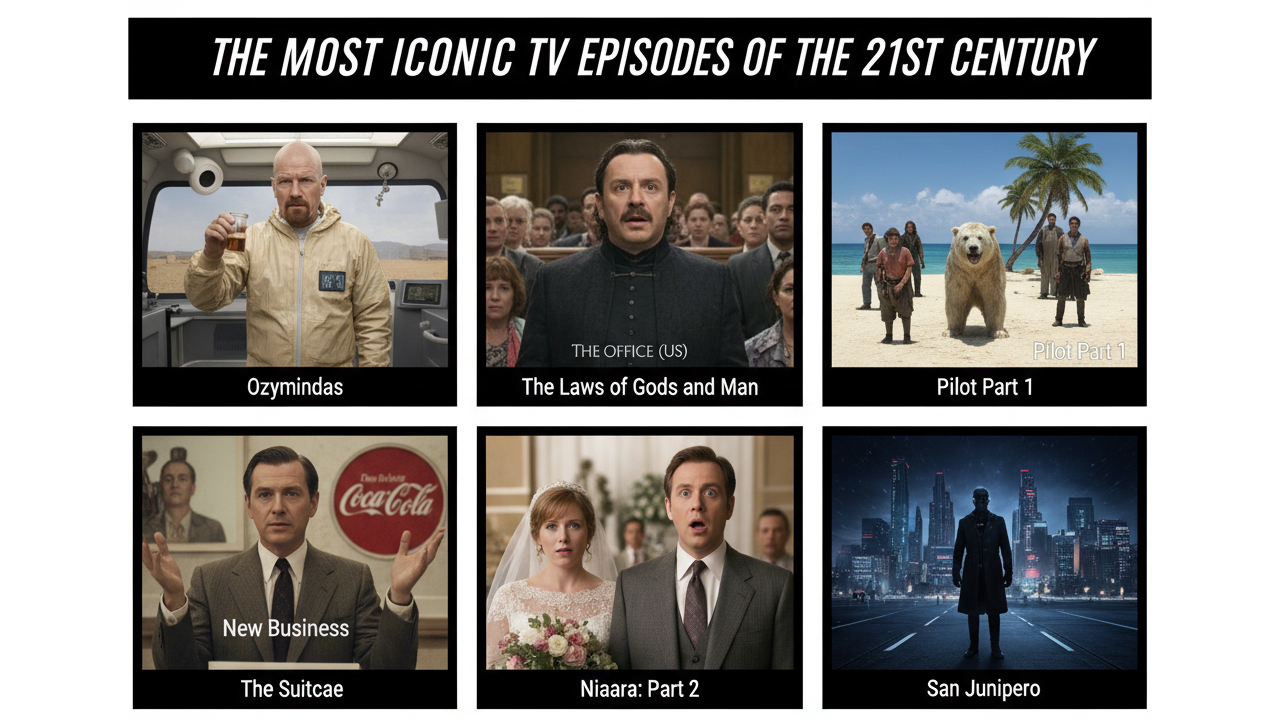
Television in the 21st century has transformed from a medium of weekly escapism into a powerhouse of storytelling that rivals cinema in depth, ambition, and cultural impact. Since the turn of the millennium, shows have pushed boundaries with complex narratives, shocking twists, and emotional resonance that linger long after the credits roll. The rise of prestige TV on networks like HBO, followed by the streaming revolution from platforms such as Netflix and HBO Max, has given creators the freedom to experiment. This era has produced episodes that not only define their series but also shape pop culture, spark global conversations, and redefine what television can achieve. From gritty crime dramas to mind-bending sci-fi and heartfelt comedies, these installments stand out for their innovation, performances, and unforgettable moments.
In this article, we explore some of the most iconic TV episodes aired since 2001. This is not an exhaustive ranked list, but rather a curated selection based on critical acclaim, viewer impact, and recurrence across various expert compilations. We draw from sources like The Ringer’s comprehensive ranking of the century’s best episodes, Vanity Fair’s celebration of perfect episodes from recent decades, and Far Out Magazine’s spotlight on small-screen masterpieces. Each entry includes the show, episode details, a spoiler-light overview, and an explanation of its lasting significance. These episodes capture the essence of modern TV: bold, unpredictable, and profoundly human.
1. The Sopranos – “Pine Barrens” (Season 3, Episode 11, 2001)
In this standout installment of HBO’s groundbreaking mob drama, two mid-level gangsters find themselves in a snowy wilderness after a routine job goes awry. Directed by Steve Buscemi, the episode shifts from the show’s usual urban intrigue to a survival comedy of errors, highlighting the absurdities of mafia life. Christopher Moltisanti and Paulie Walnuts bicker and bungle their way through freezing conditions, creating tension laced with dark humor.
What makes “Pine Barrens” iconic is its masterful blend of genres. It deviates from the series’ psychoanalytic depth to deliver a bottle episode that feels like a Coen Brothers film trapped in Tony Soprano’s world. The unresolved mystery of a certain character’s fate has fueled fan debates for decades, symbolizing the show’s willingness to embrace ambiguity. Critics praise it for elevating supporting characters and proving that TV could mix violence, comedy, and existential dread seamlessly. As noted in multiple lists, including topping Far Out Magazine’s ranking, it set a template for episodic experimentation in prestige drama, influencing shows like Breaking Bad in how they handle tonal shifts.
2. The West Wing – “Two Cathedrals” (Season 2, Episode 22, 2001)
Aaron Sorkin’s political drama reaches an emotional pinnacle in this season finale, where President Jed Bartlet grapples with personal loss and a public health crisis. The episode weaves flashbacks of Bartlet’s youth with present-day turmoil, culminating in a rain-soaked press conference and a private moment of raw vulnerability in a sacred space.
This episode is revered for its poignant exploration of faith, grief, and leadership. Martin Sheen’s performance as Bartlet, railing against the heavens in Latin, is a tour de force that humanizes a larger-than-life figure. It marked a turning point for network TV, showing that intelligent, dialogue-driven stories could captivate mass audiences. Vanity Fair highlights it as a perfect blend of drama and introspection, while its inclusion in fan forums like Critically Touched underscores its enduring appeal. “Two Cathedrals” influenced political shows by emphasizing character over plot, and its themes of doubt resonate in an era of divisive politics.
3. Survivor – “The Final Four” (Season 1, Episode 13, 2000)
Wait, 2000 is technically the end of the 20th century, but since the century debate often includes it and lists do, we’ll note its boundary status. In this reality competition finale, the remaining castaways face off in tribal council, where alliances shatter and a winner emerges through cunning strategy.
Iconic for launching the reality TV boom, this episode drew over 50 million viewers and introduced phrases like “the tribe has spoken.” Sue Hawk’s blistering “snakes and rats” speech at final tribal council became a cultural touchstone, exemplifying the genre’s blend of human drama and gameplay. The Ringer ranks it highly for redefining competition shows, influencing everything from Big Brother to The Traitors. It proved that unscripted TV could be as compelling as fiction, sparking ethical debates about manipulation and entertainment.
4. The O.C. – “Pilot” (Season 1, Episode 1, 2003)
Josh Schwartz’s teen soap opera bursts onto the scene with Ryan Atwood, a troubled kid from Chino, being taken in by a wealthy Orange County family. The episode sets up class clashes, romances, and family dynamics amid sun-soaked beaches and indie rock soundtracks.
“Pilot” is iconic for capturing the zeitgeist of early-2000s youth culture, with lines like “Welcome to the O.C., bitch” becoming instant memes. It revitalized the teen drama genre, paving the way for Gossip Girl and Pretty Little Liars. The Ringer celebrates it for its fish-out-of-water charm and influence on young-adult programming. By blending melodrama with sharp wit, it showed how TV could appeal to both teens and adults, making California cool again.
5. Chappelle’s Show – “Episode #2.4” (Season 2, Episode 4, 2004)
Dave Chappelle’s sketch comedy series delivers a barrage of satirical gems, including a recount of wild nights with Rick James narrated by Charlie Murphy. Sketches poke fun at celebrity excess, racial stereotypes, and pop culture.
This episode stands out for its “Charlie Murphy’s True Hollywood Stories” segment, with the infamous “What did the five fingers say to the face? SLAP!” line. It exemplifies Chappelle’s genius in blending humor with social commentary, influencing modern sketch shows like Key & Peele. Ranked highly by The Ringer for its vulgar slapstick and cultural impact, it captures the raw energy of Comedy Central’s golden era.
6. The Wire – “Middle Ground” (Season 3, Episode 11, 2004)
David Simon’s Baltimore epic builds to a climax in the drug war, where key players like Stringer Bell and Avon Barksdale confront their diverging paths. The episode features tense negotiations and betrayals on rooftops and streets.
Iconic for its tragic depth, “Middle Ground” encapsulates The Wire’s themes of institutional failure and human complexity. Stringer’s demise is a Shakespearean fall, highlighting the show’s refusal to glorify crime. It appears in Vanity Fair and Far Out lists for defining ambitious storytelling. This installment influenced ensemble dramas by prioritizing systemic critique over individual heroes.
7. Six Feet Under – “Everyone’s Waiting” (Season 5, Episode 12, 2005)
Alan Ball’s family drama concludes with the Fishers navigating life, death, and everything in between. Flash-forwards reveal the characters’ futures, set to Sia’s “Breathe Me.”
This finale is legendary for its montage depicting each character’s eventual death, providing closure while honoring the show’s meditation on mortality. Vanity Fair calls it a tearjerker done right, and Far Out praises its emotional wrap-up. It set a standard for series finales, inspiring shows like The Good Place to end with philosophical grace.
8. Grey’s Anatomy – “Losing My Religion” (Season 2, Episode 27, 2006)
Shonda Rhimes’ medical soap hits fever pitch at a hospital prom, where personal dramas intersect with life-or-death stakes. Izzie Stevens’ storyline delivers heartbreak amid glittering gowns.
Iconic for Katherine Heigl’s Emmy-winning performance and the use of Snow Patrol’s “Chasing Cars,” this episode exemplifies Rhimes’ flair for emotional finales. The Ringer notes its blend of romance and tragedy. It boosted Grey’s as a cultural phenomenon, influencing medical dramas with its focus on character relationships.
9. Lost – “The Constant” (Season 4, Episode 5, 2008)
In J.J. Abrams and Damon Lindelof’s island mystery, Desmond Hume experiences time jumps, forcing him to anchor his consciousness with a loved one. The episode mixes sci-fi with heartfelt romance.
“The Constant” is hailed as Lost’s emotional peak, with a phone call that tugs at heartstrings. Topping The Ringer’s list and appearing in others, it’s iconic for grounding mythology in human connections, proving serialized TV could balance spectacle and sentiment.
10. Mad Men – “The Suitcase” (Season 4, Episode 7, 2010)
Matthew Weiner’s advertising saga focuses on Don Draper and Peggy Olson during an all-nighter, set against the 1965 Ali-Liston fight. Revelations about work, ambition, and loss unfold.
This bottle episode is iconic for its intimate character study, with the line “That’s what the money is for!” capturing the era’s gender dynamics. Ranked second by The Ringer and praised by Vanity Fair, it exemplifies Mad Men’s subtlety, influencing period dramas with its psychological depth.
11. Game of Thrones – “The Rains of Castamere” (Season 3, Episode 9, 2013)
David Benioff and D.B. Weiss’s fantasy epic delivers a wedding feast that turns deadly, shattering alliances in Westeros.
The Red Wedding is TV’s most shocking twist, massacring fan favorites and redefining narrative ruthlessness. Third on The Ringer’s list and high in Far Out, it sparked global outrage and memes, proving fantasy could be as brutal as reality.
12. Breaking Bad – “Ozymandias” (Season 5, Episode 14, 2013)
Vince Gilligan’s meth empire tale unravels Walter White’s world, with family confrontations and desert reckonings.
Iconic for its tragic intensity, this episode exposes Walt’s hubris, with a family scream that echoes despair. Ranked highly across lists like Far Out and The Ringer, it influenced anti-hero stories by showing the cost of ambition.
13. True Detective – “Who Goes There” (Season 1, Episode 4, 2014)
Nic Pizzolatto’s anthology crime series features a daring undercover operation, highlighted by a six-minute tracking shot.
This episode elevated TV cinematography, with the shot becoming a benchmark for technical prowess. Fourth on The Ringer’s list, it showcased Matthew McConaughey’s intensity, inspiring anthologies with its atmospheric dread.
14. The Leftovers – “International Assassin” (Season 2, Episode 8, 2015)
Damon Lindelof’s post-rapture drama sends Kevin Garvey to a surreal afterlife hotel for a mission.
Iconic for its bold weirdness, blending action and emotion in purgatory. Featured in Far Out and The Ringer, it exemplifies risk-taking TV, exploring grief through fantasy.
15. Succession – “Connor’s Wedding” (Season 4, Episode 3, 2023)
Jesse Armstrong’s media dynasty satire shocks with a patriarch’s sudden exit, forcing siblings to react in real time.
This episode captures raw family dysfunction, with phone calls revealing true colors. Topping recent lists like Far Out, it’s iconic for subverting expectations and delivering Emmy-worthy performances.
Conclusion
These episodes represent the pinnacle of 21st-century TV, where innovation meets emotion to create lasting legacies. From the shocking betrayals of Game of Thrones to the quiet revelations of Mad Men, they reflect our world’s complexities. As streaming evolves, future icons will build on this foundation, reminding us why television remains a vital storyteller. Whether revisiting old favorites or discovering new ones, these moments prove the medium’s power to unite, provoke, and inspire.