

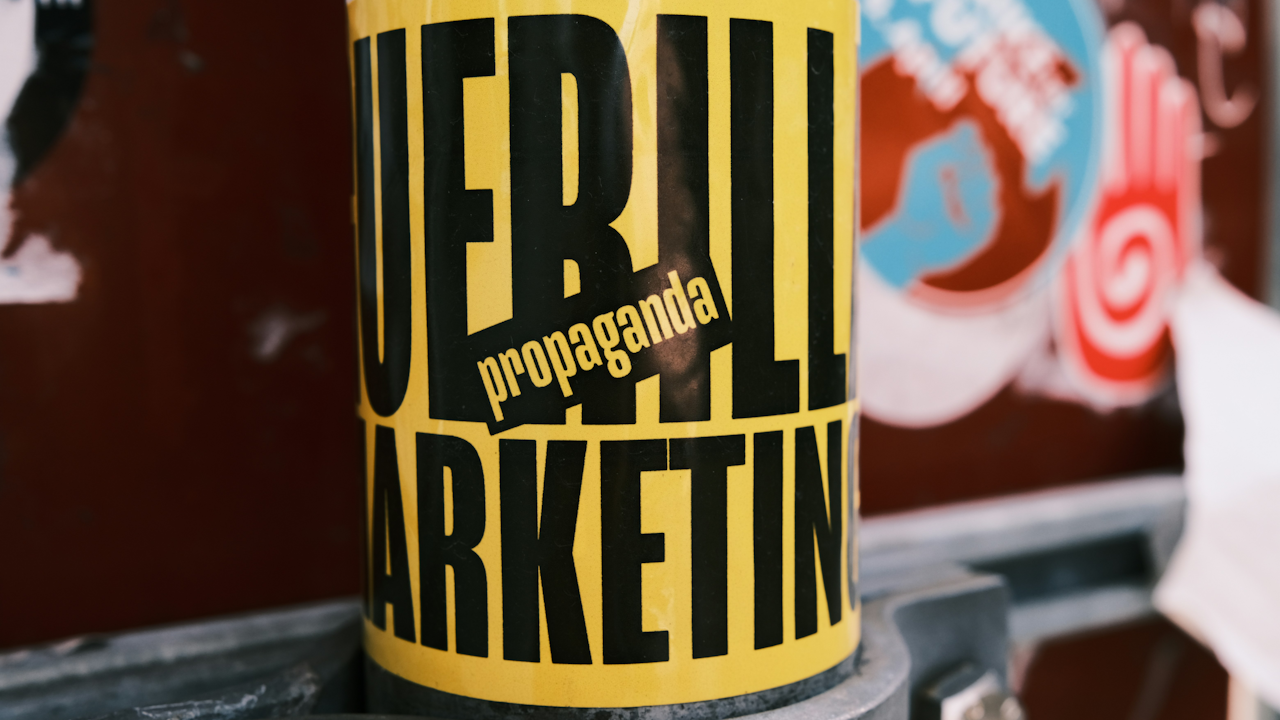
Guerrilla marketing represents a creative approach to promotion that relies on surprise, wit, and resourcefulness rather than large advertising budgets. Coined by Jay Conrad Levinson in the 1980s, the term draws from guerrilla warfare tactics: small, mobile, and impactful actions that achieve big results against larger opponents. For entrepreneurs, startups, and small businesses operating on limited funds, guerrilla marketing offers an accessible way to build brand awareness, generate buzz, and drive sales without spending thousands on traditional ads.
This article explores practical guerrilla marketing ideas that require minimal financial investment. Most rely on time, creativity, imagination, and hustle. Whether you run a local cafe, an online store, a freelance service, or a nonprofit, these strategies can help you stand out in crowded markets.
What Makes Guerrilla Marketing Effective on a Tiny Budget
At its core, guerrilla marketing emphasizes originality over expense. Instead of buying media space, you create experiences that people want to share. The tactics often happen in public spaces, leverage social media organically, or turn everyday interactions into memorable moments.
Key advantages include:
- Low or zero media costs.
- High engagement because people respond to novelty and authenticity.
- Strong word of mouth potential in the age of social sharing.
- Ability to target specific local audiences precisely.
- Flexibility to test ideas quickly and adjust on the fly.
Success depends on understanding your audience, choosing locations or platforms where they gather, and ensuring every action aligns with your brand values. The best campaigns feel fun rather than salesy.
Offline Guerrilla Marketing Ideas
Many powerful tactics take place in the physical world where real human connections happen.
Street-Level Stunts and Installations
Create temporary art or installations using inexpensive materials. For a coffee shop, place custom chalkboard signs on sidewalks with humorous messages like “Free smiles with every latte” and arrows pointing to your door. Use washable chalk or sidewalk-safe paint that costs under ten dollars.
Organize a flash mob if you have a network of friends or customers willing to participate. A bookstore could stage a silent reading flash mob in a park where participants suddenly open books and read for five minutes before inviting onlookers to visit the store. Rehearse once or twice and film it for later sharing. The preparation costs almost nothing beyond time.
Sticker and Postering Campaigns
Design simple, eye-catching stickers or flyers on a home printer or at a low-cost copy shop. Place them strategically on public notice boards, lamp posts (where legal), or inside community spaces. A fitness trainer might create stickers saying “Tired of gym guilt? Walk with me Saturdays at 8am” with a QR code to a free signup.
Make stickers conversation starters. Include a riddle or question that relates to your product. People often peel them off and share them, extending reach.
Pop-Up Experiences
Turn public spaces into temporary showcases. A handmade jewelry maker could set up a “mystery box” table in a busy park where passersby pay a small fee or answer a fun question to receive a discounted item. Use a folding table and tablecloth bought secondhand.
Host free workshops or demonstrations. A local bakery might offer “bread baking basics” sessions in a community center or park, handing out recipe cards with their business information. Participants become walking advertisements.
Vehicle and Property Branding
Wrap your car or bike with homemade signage using vinyl letters or magnetic signs that can be removed easily. A mobile pet groomer could decorate a vehicle with before-and-after pet photos printed on paper and laminated at home.
If you have a storefront or office window, create window displays that change weekly with themes. Use recycled materials, thrift store finds, and handwritten signs for an authentic touch.
Ambient Marketing
Place branded objects in unexpected places. A water bottle company might leave clean, filled bottles with thank-you notes at local running trails. A language tutor could leave “conversation starter” cards on public transport with useful phrases and contact details.
Digital and Social Media Guerrilla Tactics
Online spaces allow tiny-budget marketers to reach global audiences.
Social Media Challenges and Hashtags
Create a simple challenge that encourages user participation. A small clothing brand could start “#OutfitFromTrash” where people style looks using recycled items and tag the brand. Seed the challenge by posting your own examples first.
Use existing platforms creatively. Post short, valuable content consistently on TikTok or Instagram Reels. A financial advisor might film 15-second tips filmed in everyday settings like grocery stores to show real-life applications.
Email and Messaging Hacks
Build an email list through value-first offers. Offer a free downloadable guide in exchange for addresses. Then send entertaining newsletters that mix useful information with light brand stories.
Leverage direct messaging thoughtfully. Follow up with new followers personally instead of automated responses. A genuine “Thanks for following, what brought you here?” can spark conversations that lead to sales.
Content Repurposing and Cross-Promotion
Turn one piece of content into many. Write a blog post, then extract quotes for social graphics made with free tools like Canva. Record a podcast episode and clip short audio segments for different platforms.
Partner with complementary businesses for shoutouts. A yoga studio and a healthy cafe could agree to promote each other to their respective lists without any money changing hands.
Viral Video and Meme Creation
Film simple videos that capture attention. A gardening supply store could post time-lapse videos of seeds sprouting with tips overlaid. Keep production values low but focus on authenticity and usefulness.
Create custom memes that relate to your industry. A plumbing service might make humorous images about common household disasters with their contact information subtly included.
Hybrid Ideas Combining Online and Offline
The strongest campaigns bridge physical and digital worlds.
QR Code Hunts
Place QR codes in public locations that lead to fun landing pages, discounts, or augmented reality filters. A restaurant could hide codes around the neighborhood that unlock secret menu items when scanned.
User-Generated Content Campaigns
Encourage customers to share their experiences. A small bookstore might host an “Insta-Read” event where people photograph themselves reading in unusual places and post with a specific hashtag for a chance to win a gift card (or simply recognition).
Surprise and Delight Moments
Identify loyal customers and surprise them. Send handwritten thank-you notes with small samples. A skincare brand could include unexpected mini products in orders with personal notes.
Community Takeovers
Temporarily “take over” a public space with permission. Organize a neighborhood cleanup and brand it with your eco-friendly products. Take photos and share the story online to show community values.
Referral Loops with Physical Tokens
Create simple referral cards or tokens. A hair salon could give clients attractive cards that say “Bring a friend and both get 20 percent off.” Make the cards visually appealing so people keep them visible.
Planning and Executing Successful Campaigns
Start with clear goals. Do you want more foot traffic, email signups, social followers, or direct sales? Define success metrics before launching.
Know your audience deeply. Where do they spend time? What problems keep them up at night? What makes them smile or share?
Check local regulations. Some cities restrict postering or street performances. Always prioritize ethical practices that respect public spaces and private property.
Budget for small essentials: printer ink, poster board, props from dollar stores, or domain registration for landing pages. Most guerrilla campaigns stay under fifty dollars.
Test small before scaling. Try an idea in one location or with one social post and gauge response before investing more time.
Document everything. Take photos and videos of your activations (with permission where people appear). These assets become content for future promotion.
Real-World Inspiration
Many well-known brands started with guerrilla approaches. Airbnb famously created custom cereal boxes during political conventions to drive traffic when budgets were tight. A local restaurant might emulate this by creating themed takeout packaging for community events.
Smaller examples abound too. A neighborhood mechanic gained popularity by leaving helpful notes on cars with minor issues like “Your tire pressure is low. Stop by for a free check.” This built trust and steady customers.
Measuring Results on a Tiny Budget
Track success without expensive analytics tools. Use unique discount codes for each campaign. Count social mentions with free hashtag trackers. Monitor foot traffic or website visits before and after activities.
Ask customers directly how they heard about you. Simple surveys or casual conversations provide valuable insights.
Calculate return on investment by comparing costs (mostly time) against new revenue generated. Even if immediate sales are low, brand awareness compounds over time.
Potential Challenges and Solutions
People might misunderstand your intent. Counter this with clear branding and friendly messaging.
Not every idea will work. View failures as learning opportunities and iterate quickly.
Burnout is real when relying heavily on personal effort. Build a small team of volunteers, interns, or enthusiastic customers to share the load.
Legal and ethical boundaries matter. Never engage in anything deceptive or damaging. Authenticity builds lasting relationships while tricks erode trust.
Conclusion
Guerrilla marketing proves that creativity and connection matter more than cash when growing a business. By focusing on remarkable experiences rather than expensive reach, small players can compete effectively with larger competitors.
Start with one idea that feels natural to your brand. Execute it well, learn from the results, and build momentum. Over time, these small, clever actions accumulate into significant brand growth and customer loyalty.
The most successful guerrilla marketers share common traits: they observe their communities closely, remain willing to experiment, and prioritize genuine value over hard selling. With these principles and the ideas outlined here, even the tiniest budget can support big marketing impact. Begin today with whatever resources you have available. Your next breakthrough campaign might be simpler and closer than you think.