

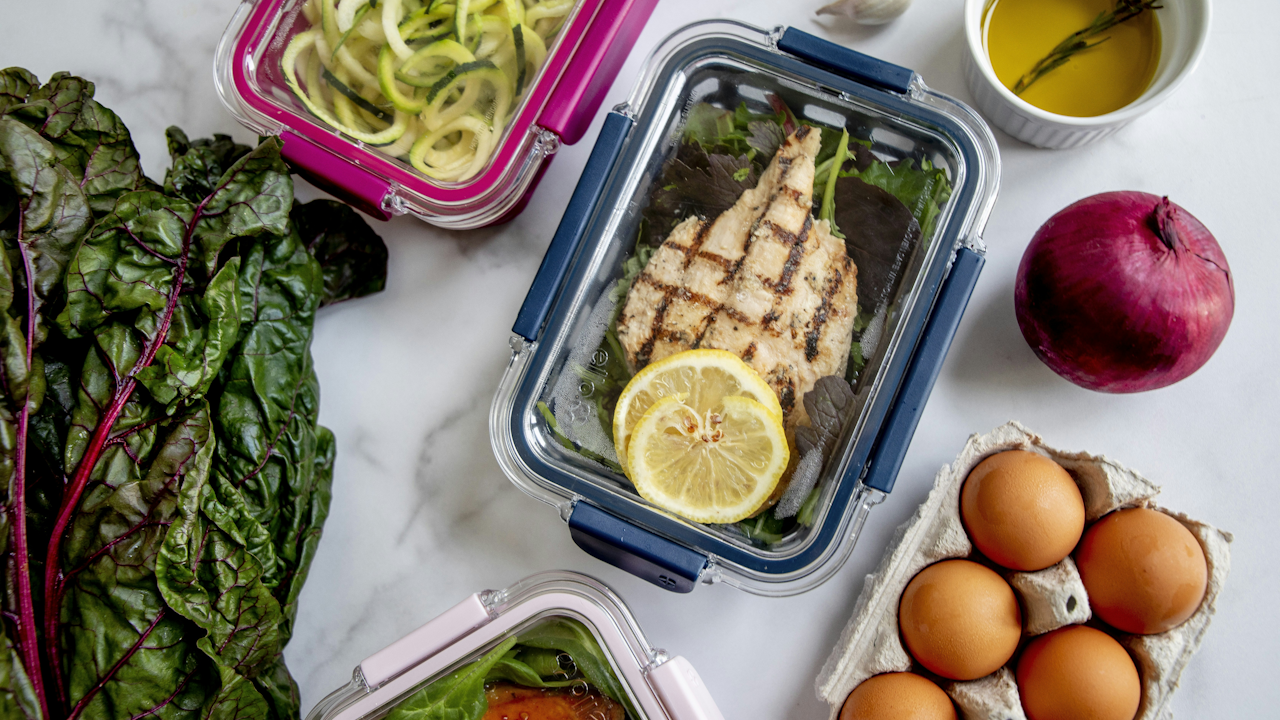
Meal prepping involves preparing meals or meal components in advance so that you can save time, reduce stress, and maintain healthier eating habits throughout a busy week. Many people find that dedicating a few hours on a weekend or a free evening to cooking in bulk pays off with convenient, nutritious options ready to go from Monday to Sunday. This guide covers everything from initial planning to storage tips, sample meal ideas, and strategies for long-term success. Whether you are new to meal prepping or looking to refine your approach, these steps will help you create a sustainable system.
Why Meal Prep?
Meal prepping offers several clear advantages. First, it saves time during the week when schedules are packed with work, family responsibilities, or other commitments. Instead of deciding what to cook each night or resorting to takeout, you can reheat or assemble pre-made dishes in minutes. Second, it supports better nutrition by allowing you to control portions and ingredients. Home-cooked meals typically contain less sodium, sugar, and unhealthy fats compared to restaurant food. Third, it reduces food waste because you buy only what you need and use ingredients efficiently across multiple recipes. Finally, it can lower grocery costs by encouraging bulk purchases and minimizing impulse buys.
For beginners, starting small is key. You do not need to prep every single meal for seven days right away. Many people begin by preparing lunches or dinners for three to four days and gradually expand.
Step 1: Planning Your Meals
Effective meal prepping starts with thoughtful planning. Begin by reviewing your schedule for the upcoming week. Note any days with late meetings, workouts, or social events that might require different meal strategies, such as portable options or quicker reheating methods.
Choose a theme or focus for the week to simplify shopping and cooking. For example, you might select a protein like chicken and build several meals around it, or opt for plant-based options if that fits your preferences. Aim for balance across meals: include lean proteins, complex carbohydrates, healthy fats, and plenty of vegetables.
Consider these categories when building your plan:
- Breakfast: Overnight oats, egg muffins, or smoothie packs.
- Lunch: Grain bowls, salads in jars, or soup portions.
- Dinner: Sheet-pan meals, casseroles, or slow-cooker recipes that reheat well.
- Snacks: Cut vegetables with hummus, yogurt parfaits, or nut mixes.
- Desserts or Treats (optional): Pre-portioned fruit salads or energy bites.
Write out a full seven-day menu, then create a master grocery list. Group items by store section (produce, dairy, proteins, pantry) to make shopping faster. Check your pantry and fridge first to avoid buying duplicates.
Tools that help with planning include a simple notebook, a meal planning app, or a printable template. Track preferences and allergies to keep the plan realistic. If you cook for a family, involve everyone in choosing meals to increase buy-in.
Step 2: Grocery Shopping and Ingredient Preparation
Once your list is ready, shop efficiently. Buy in bulk where it makes sense, such as large bags of rice, oats, or frozen vegetables, but only purchase fresh produce in quantities you can use within the prep window. Choose versatile ingredients that work in multiple recipes. Examples include bell peppers, onions, spinach, chicken breasts, canned beans, and eggs.
After shopping, spend time on initial prep work. Wash and chop vegetables, cook grains like quinoa or brown rice in a big batch, and portion out proteins. This mise en place approach streamlines actual cooking later.
Invest in quality storage containers. Glass containers with tight-fitting lids are durable and microwave-safe. Plastic ones work too but may stain or absorb odors over time. Portion sizes matter: use single-serving containers for grab-and-go ease or larger ones for family-style meals.
Step 3: Cooking Strategies for Batch Prep
Dedicate a block of time, typically three to four hours, for cooking. Use multiple cooking methods simultaneously to maximize efficiency.
- Oven: Roast vegetables, bake proteins, or make casseroles on sheet pans.
- Stovetop: Prepare soups, stews, stir-fries, or boil grains and pasta.
- Slow Cooker or Instant Pot: Hands-off cooking for chili, pulled meats, or curries.
- Grill or Air Fryer: Add variety with charred flavors for proteins and veggies.
Seasonings are crucial. Prepare a few base sauces or spice blends in advance, such as a lemon-herb marinade, teriyaki glaze, or taco seasoning. This prevents meals from tasting repetitive.
Focus on recipes that store and reheat well. Avoid delicate ingredients like fresh herbs or avocado until the day of eating. Cook proteins to safe internal temperatures and cool items quickly before refrigerating to prevent bacterial growth.
Sample Weekly Meal Prep Plan
Here is a complete seven-day plan for one person, with options to scale for families. Each day includes breakfast, lunch, dinner, and two snacks. Recipes yield multiple servings for leftovers.
Breakfast Ideas (prep five to seven portions):
- Egg muffins with spinach, tomatoes, and feta. Whisk eggs, mix in chopped vegetables and cheese, then bake in a muffin tin at 375 degrees Fahrenheit for 20 to 25 minutes.
- Overnight oats: Combine rolled oats, milk or yogurt, chia seeds, and toppings like berries or nuts in jars. Store in the fridge for up to five days.
- Smoothie packs: Portion frozen fruit, spinach, and protein powder into freezer bags. Add liquid and blend when ready.
Lunch Ideas (make four to five batches):
- Quinoa salad bowls: Cook quinoa, then mix with chickpeas, cucumber, cherry tomatoes, feta, and a lemon-olive oil dressing. Store dressing separately.
- Mason jar salads: Layer dressing at the bottom, followed by hearty vegetables, proteins like grilled chicken or tofu, and greens on top. Shake when ready to eat.
- Turkey or lentil wraps: Prepare fillings in advance and assemble wraps the night before or store components separately.
Dinner Ideas (prep for five to six nights):
- Sheet-pan chicken and vegetables: Season chicken thighs with herbs, roast alongside broccoli, carrots, and potatoes. Divide into containers.
- Vegetable stir-fry with tofu or beef: Cook in batches with a homemade sauce of soy sauce, ginger, and garlic. Pair with brown rice.
- Chili or soup: Make a large pot of bean chili or chicken vegetable soup. These improve in flavor after a day or two.
- Baked salmon or white fish with asparagus and sweet potatoes.
Snack Options:
- Apple slices with almond butter.
- Greek yogurt with honey and granola.
- Carrot sticks, celery, and hummus.
- Hard-boiled eggs.
- Trail mix portions (nuts, seeds, dried fruit).
Weekly Sample Menu:
- Monday: Egg muffins, quinoa salad, chicken sheet-pan meal, yogurt snack and apple with nut butter.
- Tuesday: Overnight oats, mason jar salad, stir-fry with rice, hard-boiled egg and carrot sticks.
- Wednesday: Smoothie, turkey wraps, vegetable chili, trail mix and yogurt.
- Thursday: Egg muffins, quinoa bowl, baked salmon, celery with hummus and apple.
- Friday: Overnight oats, leftover chili, stir-fry, hard-boiled egg and trail mix.
- Saturday: Smoothie pack, wrap components, sheet-pan leftovers or a fresh simple meal, snacks as needed.
- Sunday: Rest day or light prep for the next week, using remaining portions.
Adjust portions based on activity level, age, and gender. Athletes may need larger carbohydrate servings, while those with lower needs can emphasize more vegetables.
Storage and Food Safety
Proper storage keeps food safe and fresh. Refrigerate prepped meals within two hours of cooking. Most cooked dishes last three to four days in the fridge at 40 degrees Fahrenheit or below. For longer storage, freeze portions in airtight containers or freezer bags. Label everything with the date and contents.
Thaw frozen meals overnight in the refrigerator, not on the counter. Reheat to an internal temperature of 165 degrees Fahrenheit. Use microwave, oven, or stovetop methods depending on the food. Add a splash of water or broth when reheating to prevent dryness.
Rotate older items to the front of the fridge for easy access. Keep raw ingredients separate from cooked ones during initial prep.
Tips for Success and Common Pitfalls
Start with two or three days of prepping if a full week feels overwhelming. Experiment with flavors to avoid boredom. Add fresh elements like chopped herbs, a squeeze of citrus, or different sauces on eating day to refresh meals.
Batch cooking does not mean eating the same thing every day. Prepare base components and mix them differently. For instance, roast extra vegetables and use them in salads one day and as sides the next.
Stay organized with a dedicated meal prep zone in your kitchen and a checklist. Involve family members by assigning tasks like chopping or portioning.
Common mistakes include:
- Over-prepping perishable items that spoil before use.
- Not accounting for cravings or schedule changes.
- Poor seasoning that leads to bland food.
- Skipping variety, which causes burnout.
To address variety, incorporate international flavors: Mexican-inspired bowls with salsa and beans, Mediterranean options with olives and feta, or Asian stir-fries with sesame.
Adapting for Different Diets and Lifestyles
Meal prepping works for many eating patterns.
- Vegetarian or Vegan: Rely on beans, lentils, tofu, tempeh, and quinoa for protein. Use nutritional yeast or fortified foods for B12 if needed.
- Low-Carb or Keto: Focus on eggs, meats, non-starchy vegetables, avocados, and cheeses. Prep cauliflower rice or zucchini noodles.
- High-Protein: Include Greek yogurt, cottage cheese, lean meats, and protein powders. Prepare egg bites or turkey meatballs in bulk.
- Gluten-Free: Use rice, oats (certified gluten-free), potatoes, and corn-based products. Check labels on sauces.
- Budget-Friendly: Shop sales, use frozen produce, buy whole grains in bulk, and choose cheaper proteins like eggs, beans, and chicken thighs.
- Family-Style: Prepare larger batches and let kids customize with toppings.
For busy professionals, emphasize no-cook options like salads and overnight items. Parents might prep kid-friendly foods such as mini muffins or pasta salads.
Track macros or calories if that is part of your goals, using apps to log prepped portions in advance.
Equipment Recommendations
You do not need fancy tools, but these help:
- Sharp knives and a good cutting board.
- Multiple sheet pans and baking dishes.
- Slow cooker, rice cooker, or electric pressure cooker.
- Food scale for precise portions.
- Mason jars and leak-proof containers.
A reliable thermometer ensures food safety.
Long-Term Habits and Motivation
Treat meal prepping as a skill that improves with practice. Review each week: What worked? What needs adjustment? Seasonal eating keeps things interesting. In summer, focus on fresh salads and grilled items. In winter, emphasize soups and roasted root vegetables.
Combine meal prepping with other healthy habits like batch cooking snacks or preparing breakfast the night before. Celebrate small wins, such as avoiding takeout for a full week.
Over time, meal prepping becomes second nature. Many people report saving hundreds of dollars monthly and feeling more energized from consistent nutrition. It also reduces decision fatigue, freeing mental energy for other priorities.
Final Thoughts
A successful week of meal prepping begins with realistic planning, efficient execution, and flexible storage practices. By preparing balanced, flavorful meals in advance, you set yourself up for better health, more free time, and less daily hassle. Start this weekend with a simple plan, gather your ingredients, and enjoy the peace of mind that comes from opening your fridge to ready-made options. With consistency, meal prepping can transform how you approach eating and nourish your body throughout busy weeks. Adjust the system to fit your life, and it will serve you well for years to come.