

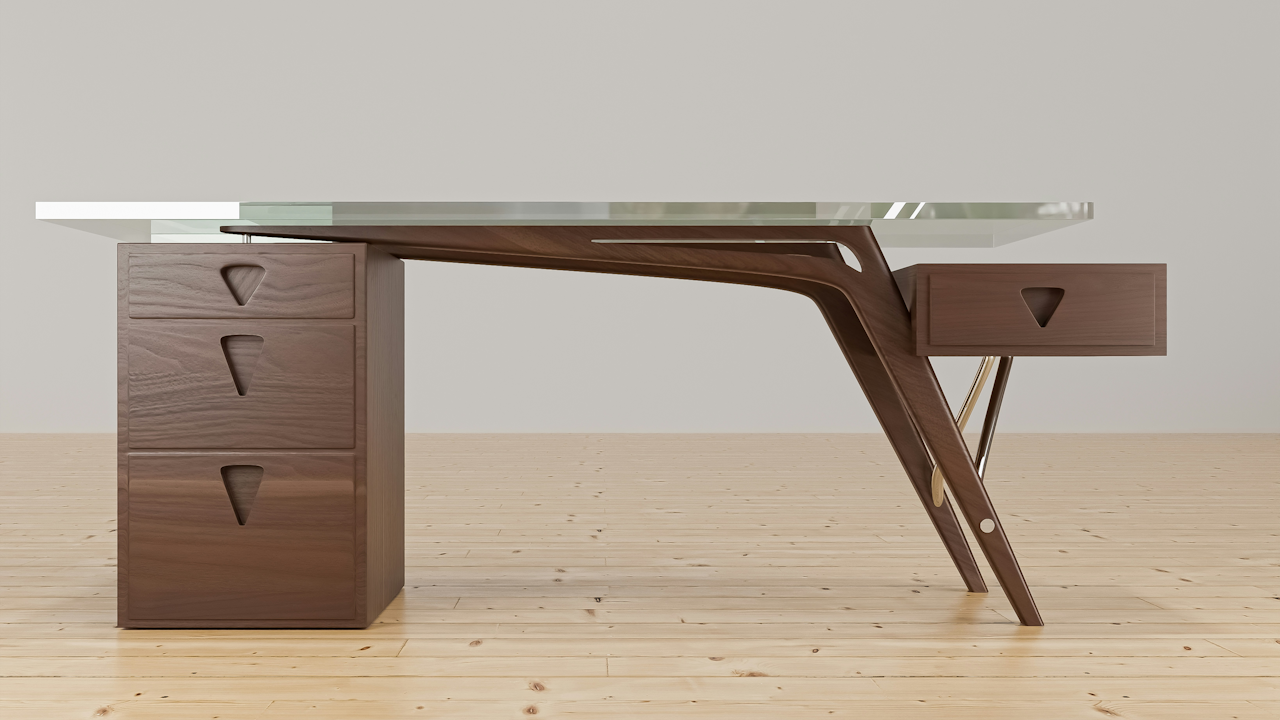
Creating your own custom desk is a rewarding project that allows you to tailor the workspace exactly to your needs. Whether you work from home, need a dedicated study area, or simply want a sturdy surface for hobbies, a homemade desk offers personalization that store-bought options often lack. The best part is that you can accomplish this with very few tools, keeping the process accessible even for beginners. This guide walks through everything from planning to completion, emphasizing simplicity and functionality.
Why Build Your Own Desk
A custom desk lets you control dimensions, storage options, and materials to fit your space and style perfectly. Commercial desks might be too small, too expensive, or made from low-quality materials. Building one yourself can save money while producing a piece that lasts for years. With minimal tools, the project remains approachable. You avoid the need for a full workshop and focus on basic techniques that deliver solid results. Many people complete similar builds in a weekend using lumber from a local hardware store.
Planning Your Desk Design
Start by measuring your available space. Decide on the desk height, width, and depth. Standard desk height is around 29 to 30 inches, but adjust based on your chair and posture. Consider adding shelves, drawers, or cable management holes. Sketch a simple diagram on paper. For a basic rectangular desk, plan for a top surface, four legs, and optional cross supports for stability. Think about weight capacity if you plan to place heavy monitors or equipment on it. Beginners should aim for a straightforward design without complex joinery.
For a minimal tool approach, select designs that rely on straightforward butt joints or simple overlaps rather than intricate dovetails. A common beginner-friendly option is a four-leg frame with a plywood top. You can expand this later with added storage.
Materials You Will Need
Choose materials that are easy to work with and readily available. Here is a sample list for a basic 60-inch wide by 30-inch deep by 30-inch tall desk:
- One sheet of 3/4-inch plywood or MDF for the desktop, cut to 60 by 30 inches.
- Four wooden legs, such as 2×4 lumber cut to 29 inches each if using a 3/4-inch top.
- Supporting frame pieces: two 2x4s at 60 inches for the front and back, and two at 28.5 inches for the sides.
- Additional 2x4s for diagonal braces if needed for stability.
- Wood screws, around 2.5 inches long for framing and 1.5 inches for attaching the top.
- Wood glue for extra strength.
- Sandpaper in medium and fine grits.
- Wood finish such as paint, stain, or polyurethane.
- Optional items: L-brackets for reinforcement, edge banding for plywood edges, or felt pads for the leg bottoms.
Source your lumber from a home improvement store where they often cut pieces to size for a small fee. This reduces the cutting you need to do yourself. Select straight boards without major defects.
Minimal Tools Required
The beauty of this project lies in the limited toolkit. You need only the following:
- Measuring tape or ruler.
- Pencil for marking.
- Hand saw or a basic circular saw if available, though a handsaw works for smaller cuts.
- Screwdriver, either manual or cordless drill/driver for faster assembly.
- Hammer for tapping pieces into place.
- Square or straight edge to check corners.
- Sanding block or orbital sander if you have one, but hand sanding suffices.
- Clamps, at least two, or use weights as substitutes.
No power tools beyond an optional drill are strictly necessary. This setup keeps costs low and skill requirements basic. Focus on accurate measuring and steady cutting for professional-looking results.
Step-by-Step Construction Guide
Begin in a well-lit, flat area with enough room to spread out materials. Wear safety glasses and work gloves.
Step 1: Prepare the Legs and Frame
Measure and mark your 2×4 legs to equal length, typically 29 inches. Cut them carefully with the handsaw, keeping the blade straight. Sand the ends smooth. Next, build the rectangular frame that connects the legs. Position two long 2x4s as front and back rails and the shorter ones as side rails. Apply wood glue to the ends and screw them into the legs. Place screws at angles or use corner brackets for stronger connections. Check each corner with your square to ensure 90-degree angles. This creates a sturdy base.
Step 2: Add Stability Supports
For larger desks, add a center support rail or diagonal braces. Cut additional 2×4 pieces to fit between the front and back rails. Secure them with glue and screws. Diagonal braces in the corners prevent wobbling. Measure precisely so the supports fit snugly.
Step 3: Attach the Desktop
Lay the plywood or MDF sheet on top of the frame. Align it so there is an even overhang if desired, or make it flush. Mark screw locations from underneath, spacing them every 8 to 12 inches around the perimeter. Drill pilot holes if using a drill to prevent splitting. Drive screws up into the desktop from the frame side. Keep the heads slightly recessed. For extra security, run a bead of glue along the top edges of the frame before attaching.
Step 4: Sanding and Smoothing
Sand all surfaces thoroughly. Start with medium grit to remove splinters and imperfections, then switch to fine grit for smoothness. Pay special attention to edges and corners. Wipe away dust with a damp cloth and let it dry.
Step 5: Apply Finish
Choose a finish that matches your decor. Paint offers color variety and protection. Stain highlights wood grain on solid lumber. Polyurethane adds durability for high-use surfaces. Apply in thin coats following product instructions, sanding lightly between coats. Allow full drying time, usually 24 hours or more.
Customizing Your Desk
Once the basic structure is complete, personalization becomes easy. Add shelves by mounting shorter boards between legs at desired heights. Create a keyboard tray using smaller plywood and drawer slides if you have them, or simply a lower fixed shelf. Drill holes for cable management using a spade bit or handsaw carefully. Install drawers by building simple boxes from plywood and attaching them under the top with basic runners.
For a standing desk variation, make longer legs or add adjustable height mechanisms using threaded rods, though this increases complexity slightly. Paint different sections in contrasting colors or add corkboard to one side for notes. Incorporate built-in lighting by routing a channel for LED strips along the underside.
Troubleshooting Common Issues
If the desk wobbles, check all joints and tighten screws. Add more braces if necessary. Uneven legs can be fixed by trimming the longest one or adding adjustable feet. Surface imperfections after sanding usually disappear with additional passes or filler material. For splitting wood during screwing, always predrill holes. If the top feels flimsy, double up the plywood thickness or add more cross supports.
Safety Considerations
Work methodically to avoid mistakes. Keep your workspace clear of tripping hazards. When cutting, secure the wood to prevent movement. Avoid overloading the desk beyond its design capacity. If children use the area, round all sharp edges thoroughly during sanding.
Maintenance and Longevity
Regular dusting and occasional touch-ups to the finish keep your desk looking new. Tighten screws annually as wood can shift over time. Protect the surface with coasters or mats under heavy items. With proper care, a well-built custom desk can serve for decades.
Cost and Time Estimates
Materials for a basic version typically run between 50 and 150 dollars depending on lumber prices and finish choices. Construction time ranges from four to eight hours spread over a day or two, plus drying time for finishes. The minimal tool approach means lower upfront investment and easier storage of equipment afterward.
Scaling Up or Down
Adjust dimensions for smaller spaces like apartments or larger executive styles. For a corner desk, create an L-shape by building two connected sections. Floating desk designs attach directly to walls using sturdy brackets, eliminating legs entirely for a modern look. Each variation still relies on the same core techniques and minimal tools.
Inspiration from Simple Designs
Many successful custom desks start as basic frames and evolve. Some builders use reclaimed wood for character or combine metal legs with wood tops for industrial appeal. The key remains starting simple and refining as skills grow. Experiment with different wood types such as pine for affordability or oak for durability.
Final Thoughts
Building your own custom desk proves that quality workspace furniture need not come from a store or require advanced machinery. With careful planning, basic materials, and a handful of common tools, anyone can create a functional and attractive piece. This project builds confidence in hands-on work while delivering daily satisfaction every time you sit down to use it. Take your time, measure twice, and enjoy the process of crafting something uniquely yours. The result will be a desk that perfectly supports your productivity and creativity for years to come.