

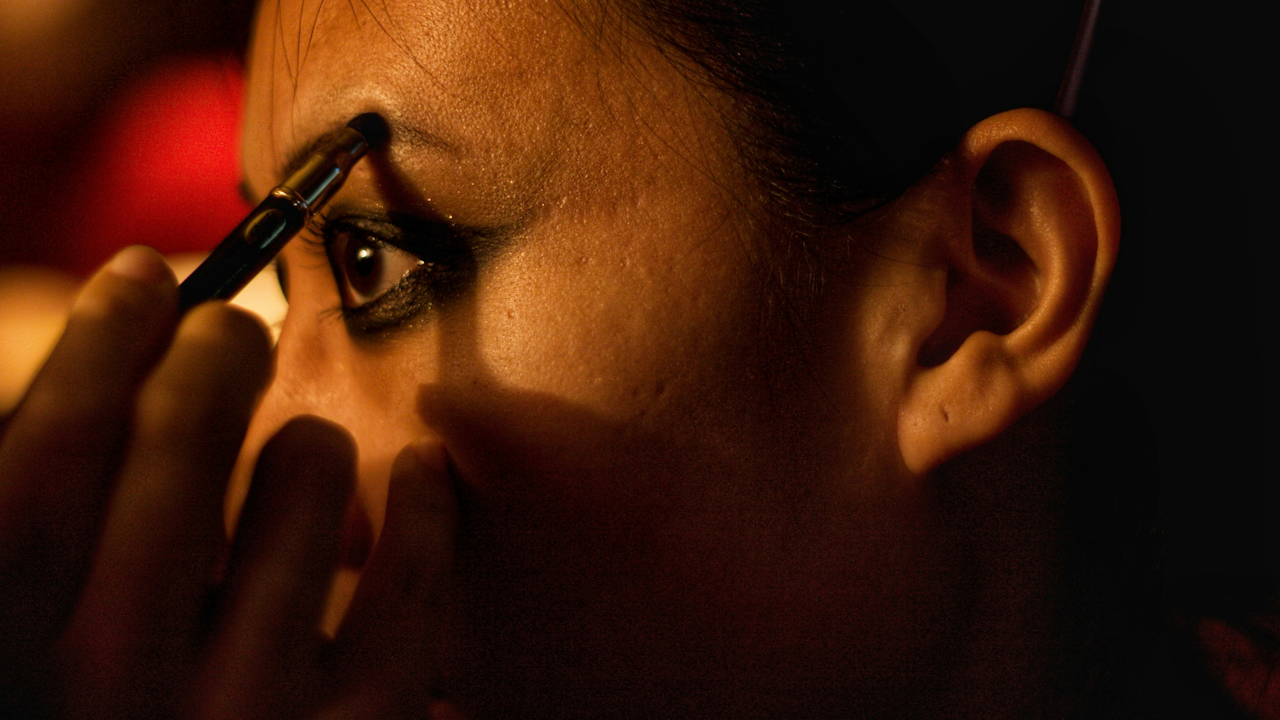
Eyeliner stands as one of the oldest and most enduring cosmetic tools in human history. Its use spans thousands of years across continents and cultures, evolving from a protective and ritualistic substance to a staple of modern beauty expression. From the kohl-lined eyes of ancient Egyptian royalty to the viral makeup challenges on social media platforms, eyeliner has reflected societal values, technological advancements, and shifting ideals of beauty. This article traces its remarkable journey.
Ancient Origins: Protection, Status, and Spirituality
The story of eyeliner begins in antiquity, with the earliest evidence dating back over 6,000 years. In ancient Egypt and Mesopotamia around 4000 BCE or earlier, both men and women applied a substance known as kohl to their eyes. Kohl was typically a powdered mixture derived from galena (lead sulfide), malachite, carbon, or other minerals, often mixed with oils or fats for application.
Ancient Egyptians valued kohl not only for aesthetic enhancement but also for practical and spiritual reasons. The heavy application around the eyes helped reduce the glare of the harsh desert sun, acting like a form of sunglasses. It was believed to possess medicinal properties, protecting against eye infections and insects due to the antimicrobial qualities of some ingredients like lead salts. Beyond utility, kohl held symbolic importance. It was thought to ward off evil spirits and the “evil eye,” while enhancing the wearer’s connection to the gods. Eye makeup often featured in religious rituals and burial practices, underscoring its cultural depth.
Application techniques were distinctive. Egyptians drew lines above and below the eyes, often extending them outward in a slight curve or elongated shape that accentuated the almond form of the eyes. This style appeared on pharaohs and queens alike, as seen in artifacts from King Tutankhamun’s tomb and the famous bust of Nefertiti. Wealthier individuals used finer, more elaborate formulations, while others relied on simpler soot-based versions. Kohl was stored in ornate pots and applied with sticks made from ivory, wood, or metal.
Cleopatra VII, the last pharaoh of Egypt who reigned in the first century BCE, has become synonymous with dramatic eyeliner looks. Though she did not invent kohl, her iconic image popularized the association. Portrayals of Cleopatra often depict bold, winged lines that frame the eyes dramatically, a style rooted in longstanding Egyptian traditions. This aesthetic influenced later revivals and cemented her as a beauty icon whose makeup choices continue to inspire costumes and tutorials millennia later.
Similar practices existed in other ancient civilizations. In Mesopotamia and parts of the Middle East and South Asia, kohl or kajal equivalents served comparable roles, blending beauty with protection. The tradition persisted through the centuries, spreading via trade routes and cultural exchange.
The Middle Ages to the Renaissance: Subtlety and Regional Traditions
Following the decline of ancient Egyptian civilization, eyeliner use continued in various forms but often with less prominence in Western Europe. In the Middle Ages, heavy makeup fell out of favor among many Christian European societies due to associations with vanity or immorality. However, in the Islamic world, the Middle East, and parts of Asia, kohl remained a daily essential for both men and women. It retained its protective and beautifying roles, with recipes refined over generations.
During the Renaissance in Europe (roughly the 14th to 17th centuries), interest in classical antiquity sparked a modest revival of eye enhancement. Some women used subtle darkening agents around the eyes, though pale complexions and natural looks dominated beauty standards. Eyeliner as a defined product was not yet widespread, and application remained rudimentary compared to ancient techniques.
The 18th and 19th Centuries: Limited Use and Emerging Interest
The Victorian era (1837-1901) emphasized modesty and a “natural” appearance for respectable women. Pale skin, rosy cheeks, and minimal eye definition were preferred. Heavy eye makeup was largely confined to actresses, courtesans, or those in theatrical circles. Some women secretly used burnt matches or homemade preparations to darken their lashes and lids, but public displays were rare.
Toward the late 19th century, as photography and theater gained influence, subtle eye lining began to appear more openly. Innovations in cosmetics manufacturing laid the groundwork for commercial products. The stage demanded bolder features visible under lights, gradually normalizing eye makeup.
The 20th Century: Commercialization and Iconic Styles
The early 20th century marked a turning point with the rise of the film industry and changing social norms. The discovery of Tutankhamun’s tomb in 1922 ignited “Egyptomania,” bringing ancient eyeliner aesthetics back into vogue. Flappers of the 1920s embraced dramatic, smoky eye looks with heavy kohl application all around the eyes, often smudged for a sultry effect. This contrasted sharply with the delicate Victorian ideal. Brands like Maybelline began producing dedicated eye cosmetics, making eyeliner more accessible.
The 1930s and 1940s saw refinement. Hollywood glamour popularized defined eyes, though styles remained relatively soft. World War II influenced practicality, with makeup serving as a morale booster. Post-war prosperity in the 1950s elevated the cat-eye or winged liner. Actresses like Audrey Hepburn and Marilyn Monroe sported crisp, upward-flicking lines on the upper lids, creating an elegant, wide-eyed look. Liquid formulas and pencils became common, offering precision.
The 1960s amplified drama. Mod fashion and youth culture embraced exaggerated eyeliner. British model Twiggy popularized oversized, spidery lashes paired with thick black lines on both upper and lower lids. Graphic, geometric styles emerged, reflecting the era’s bold experimentation. Colored eyeliners also gained traction, moving beyond basic black and brown.
Subsequent decades brought further evolution. The 1970s and 1980s featured disco glitter and punk rebellion, with colorful or smudged liner. The 1990s grunge movement favored smudgy, understated looks, while the early 2000s revived glossy, precise lines influenced by pop stars. Throughout, technological improvements produced waterproof, long-wearing, and easier-to-apply formulas in pencils, liquids, gels, and creams.
Cultural Continuities and Global Influences
While Western fashion cycles drove much of the modern narrative, traditional kohl use persisted in many regions. In North Africa, the Middle East, and South Asia, kajal or surma remains a cultural staple, often applied to babies for supposed protection or used daily by adults. These practices highlight eyeliner’s dual role as cosmetic and cultural heritage, with UNESCO recognizing aspects of kohl traditions.
Immigration and globalization introduced these styles to broader audiences, enriching Western makeup palettes with diverse techniques.
The Digital Age and TikTok: Democratization and Innovation
The late 2000s and 2010s saw eyeliner benefit from social media’s rise. YouTube tutorials democratized techniques, allowing anyone to master winged liner or smoky eyes. Instagram amplified polished looks, with influencers showcasing flawless applications.
TikTok, launched globally in 2018, accelerated this trend into hyper-speed. The platform’s short-form videos turned eyeliner into a participatory art form. Trends proliferated rapidly: puppy liner (downward-slanting wings for a softer effect), graphic liners in vibrant colors, shadow liner techniques using eyeshadow for natural definition, and hacks like applying heavy liner then washing it off for a lived-in smudge.
Challenges such as “eyeliner only” looks or no-mirror tutorials showcased skill and creativity. Gen Z and younger users experimented with asymmetry, negative space designs, and color blocking. While some declared winged liner “out,” others reinvented it endlessly. The app fostered community, with millions sharing fails, successes, and variations. Viral products gained instant fame, and ancient Egyptian styles experienced periodic revivals through Cleopatra-inspired tutorials.
This era emphasized inclusivity. Eyeliner adapted to diverse eye shapes, skin tones, and gender expressions, moving beyond rigid beauty standards. Accessibility tools like stamps or felt-tip pens addressed common struggles with precision.
Enduring Appeal and Future Directions
Eyeliner’s longevity stems from its versatility. It can subtly enhance or dramatically transform the eyes, the most expressive facial feature. From ancient protection against the elements to modern self-expression on digital stages, it bridges utility and artistry.
Today, formulations prioritize safety, with lead-free options and clean ingredients addressing historical concerns. Sustainability and cruelty-free production shape consumer choices. As virtual try-on technologies and AI evolve, personalization will likely increase.
The history of eyeliner reveals humanity’s consistent desire to accentuate the eyes. Whether drawn with a kohl stick in ancient Thebes or a liquid pen in a modern bathroom mirror for a TikTok video, the practice connects us across time. Its future promises continued innovation while honoring deep roots in culture and tradition. As long as eyes convey emotion and identity, eyeliner will remain a trusted companion in the human story of beauty.