

Television in the 21st century transformed from a medium of episodic entertainment into a powerhouse of serialized storytelling, cultural phenomena, and emotional depth. From the early 2000s onward, shows leveraged complex narratives, high production values, and bold risks that defined what audiences expected from the small screen. Iconic episodes became watercooler moments, meme generators, and benchmarks for excellence. They captured zeitgeists, shattered expectations, and left lasting imprints on popular culture. This article explores some of the most memorable and influential TV episodes since 2001, drawing from critical consensus, viewer impact, and cultural resonance.
Early 2000s: Foundations of a New Golden Age
The decade began with series that pushed boundaries in drama and comedy. One standout is “Pine Barrens” from The Sopranos (Season 3, Episode 11, 2001). Directed by Steve Buscemi, this episode follows Paulie and Christopher getting lost in the snowy Pine Barrens while dealing with a Russian associate. The blend of dark humor, tension, and existential absurdity, highlighted by Paulie’s complaints about the cold and the mysterious Russian’s disappearance, cemented The Sopranos as a prestige drama pioneer. It showcased how ordinary mob errands could spiral into something profound and hilarious.
Another early gem is from Friends. Though the show started in the 1990s, many of its most rewatched moments came in the 2000s. Episodes like those featuring the group’s evolving relationships highlighted ensemble chemistry that influenced countless sitcoms.
Lost contributed “The Constant” (Season 4, Episode 5, 2008). This episode centers on Desmond Hume’s consciousness jumping between 1996 and 2004. Struggling with time displacement after a helicopter flight, Desmond seeks Daniel Faraday’s help in the past to find his “constant” – Penelope Widmore. The episode masterfully weaves romance, science fiction, and emotional stakes. Desmond’s phone call to Penny across time, declaring his love, remains one of the most heartfelt moments in the series. It exemplified Lost‘s ability to balance intricate mythology with human connection.
Mid-2000s to 2010s: Peak Prestige and Cultural Explosions
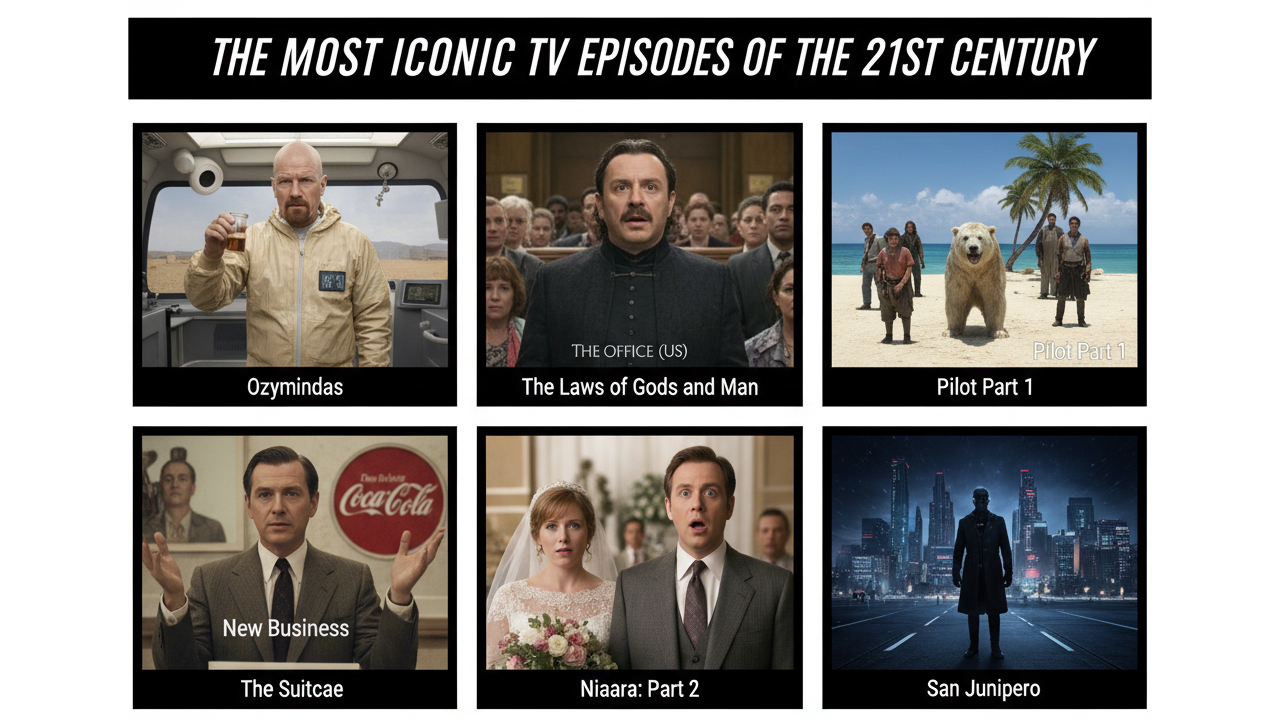
As cable and premium channels expanded, episodes grew more ambitious. Mad Men delivered “The Suitcase” (Season 4, Episode 7, 2010), a bottle episode focusing on Don Draper and Peggy Olson working through a tight deadline. Their all-night collaboration reveals vulnerabilities, regrets, and mutual respect. It stands as a masterclass in character study, with quiet intensity and powerful performances that define the show’s exploration of identity and ambition.
Breaking Bad reached its zenith with “Ozymandias” (Season 5, Episode 14, 2013). Named after Percy Bysshe Shelley’s poem about the fall of empires, this episode marks Walter White’s complete moral collapse. Key events include the desert confrontation, Hank’s fate, and Walt’s desperate phone call to Skyler that doubles as a confession for the authorities. Bryan Cranston’s performance captures Walt’s transformation from anti-hero to villain. The episode’s tension, reversals, and thematic depth make it a pinnacle of television drama, often cited among the greatest single hours ever aired.
Game of Thrones shocked audiences with “The Rains of Castamere” (Season 3, Episode 9, 2013), known universally as the Red Wedding. Robb Stark, Catelyn Stark, and their allies attend a wedding at the Twins, only to face betrayal by Walder Frey and Roose Bolton. The massacre, signaled by the musicians playing “The Rains of Castamere,” delivers visceral brutality and narrative upheaval. It redefined expectations for fantasy television, proving no character was safe and amplifying the show’s reputation for unpredictable storytelling.
Comedy also shone. Parks and Recreation offered heartfelt and humorous entries, while Community had standout episodes like “Advanced Dungeons & Dragons.” Reality TV produced cultural touchstones too, such as moments from America’s Next Top Model where Tyra Banks delivered memorable rants that became internet staples.
Late 2010s to 2020s: Streaming Innovation and Closure
The rise of streaming brought diverse voices and experimental formats. Succession featured episodes rich in family dysfunction and sharp dialogue. Better Call Saul, a Breaking Bad prequel, earned acclaim for slow-burn tension in episodes like “Chicanery,” showcasing Jimmy McGill’s legal maneuvers and brotherly conflict.
The Leftovers and Atlanta pushed surreal and socially insightful boundaries. Fleabag delivered intimate, fourth-wall-breaking storytelling in its concise seasons. In animation and genre blends, shows like BoJack Horseman tackled mental health with episodes that mixed humor and devastation.
Documentary and limited series also made impacts. The Last Dance (2020) chronicled Michael Jordan with episodes that mixed sports history and personal insight, becoming a pandemic-era phenomenon.
Why These Episodes Endure
Iconic episodes succeed through several elements: masterful writing that advances character and plot, performances that resonate emotionally, direction that heightens tension or intimacy, and cultural timing. They often subvert expectations, as in the Red Wedding or Walt’s downfall, or provide catharsis and connection, like Desmond’s call to Penny.
Many transcend their shows, sparking discussions on morality, power, love, and society. “Ozymandias” explores hubris and consequences. “The Constant” affirms love as an anchor amid chaos. These hours influenced production trends, encouraging serialized depth over standalone tales.
Critics and fans frequently reference lists from outlets like The Ringer, which highlight variety across genres, including reality and game shows alongside dramas. This inclusivity reflects television’s broad appeal.
Lasting Legacy
The 21st century’s iconic episodes reflect evolving media landscapes: from network constraints to streaming freedom. They mirror societal shifts, from post-9/11 anxieties in early shows to identity and technology explorations later. As television continues evolving with shorter seasons and global audiences, these episodes remain benchmarks.
Whether through shocking twists, quiet revelations, or unforgettable performances, they capture why we watch: to feel, to question, and to connect. In an era of endless content, these stand out as timeless achievements that define not just their series but the medium itself.