

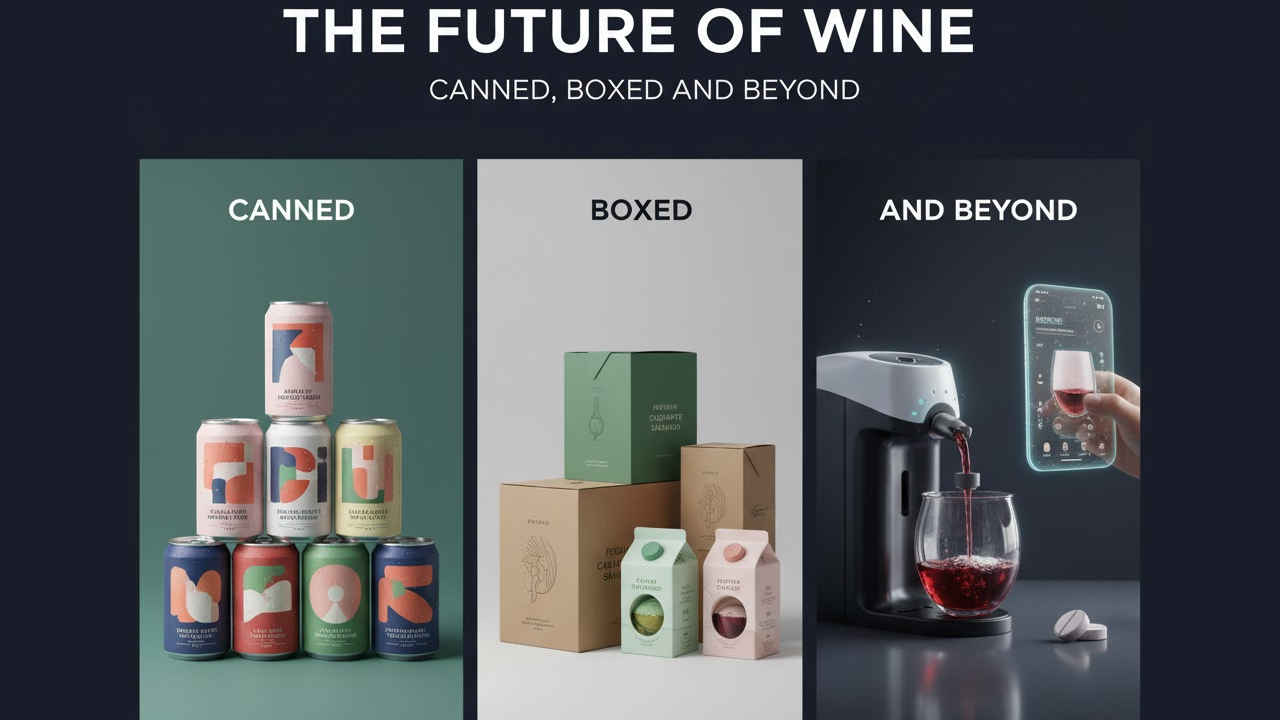
The wine industry stands at a pivotal moment. For centuries, the heavy glass bottle with its cork and label has symbolized elegance, tradition, and quality. Yet, as environmental pressures mount, consumer habits evolve, and logistical challenges intensify, this iconic vessel faces unprecedented scrutiny. Glass bottles contribute significantly to the carbon footprint of wine, often accounting for more than half of a product’s total emissions when factoring in production, transportation, and recycling inefficiencies. Meanwhile, younger drinkers prioritize convenience, sustainability, and moderation, while the realities of climate change demand lighter, more efficient alternatives.
Alternative packaging formats, such as canned wine, bag-in-box (often called boxed wine), aluminum bottles, flat plastic bottles, pouches, and even paper-based containers, are no longer fringe experiments. They represent a fundamental shift. Market projections underscore this transformation: the global wine packaging sector is expected to grow from around USD 6-7 billion in 2025 to over USD 11 billion by the mid-2030s, driven largely by demand for sustainable and convenient options. Canned wine alone, a category that barely existed a decade ago, is forecasted to expand at compound annual growth rates (CAGRs) of 11-18 percent through the early 2030s, potentially reaching values between USD 700 million and USD 3-4 billion globally, depending on regional adoption.
This evolution is not merely about swapping containers; it reflects broader forces reshaping wine: sustainability imperatives, changing demographics, economic pressures, and the need to adapt to a warming planet. What follows is an exploration of these formats, their advantages and hurdles, and the innovative horizons that lie ahead.
The Rise of Canned Wine: Portability Meets Premiumization
Canned wine has emerged as the most visible disruptor in alternative packaging. Once dismissed as suitable only for low-quality, overly sweet spritzers, the category has undergone a premium makeover. High-end producers now release critically acclaimed varietals in cans, including complex reds, crisp whites, and even age-worthy sparklings.
The appeal is multifaceted. Aluminum cans are lightweight, weighing about 90 percent less than equivalent glass volumes, which slashes transportation emissions and costs. They chill quickly, are shatterproof, and allow for single-serve portions (typically 250ml or 375ml), aligning perfectly with on-the-go lifestyles: beaches, festivals, hiking, or urban picnics where glass is banned or impractical. Recyclability is another strong suit; aluminum can be recycled infinitely with minimal quality loss, and global recycling rates often exceed those for glass.
Market data reveals explosive growth. In the United States, canned wine sales have surged from under USD 100 million in 2019 to projections exceeding USD 400-500 million in 2024-2025, with global figures following suit. Sparkling and low-alcohol variants dominate, but still wines are gaining ground as liner technologies improve to prevent metallic tastes or reductive aromas that plagued early iterations.
Producers like Underwood, House Wine, and newer entrants such as Las Jaras have normalized cans for natural and boutique wines. Even established names experiment: Tablas Creek Vineyard, a Rhône-style pioneer in California, has released premium rosé in cans to appeal to younger demographics.
Challenges persist. Perceived quality remains a barrier; many consumers associate cans with beer or cheap beverages rather than fine wine. Technical issues, such as ensuring no interaction between wine and can lining over time, require ongoing innovation. Yet, as Gen Z and Millennials, who prioritize sustainability and convenience, become the dominant buying force, canned wine is poised to claim a permanent shelf space alongside bottles.
Boxed Wine Reimagined: From Budget Staple to Sustainable Standard
Bag-in-box (BiB) wine, long synonymous with inexpensive table wine, is experiencing a renaissance as a sustainability champion. The format consists of a flexible plastic bag with a spout inside a cardboard box, typically holding 3-5 liters (equivalent to four to six bottles).
The environmental benefits are compelling. Life-cycle assessments show BiB reduces carbon emissions by up to 50-80 percent compared to glass for the same volume, primarily due to lighter weight and efficient shipping (boxes stack densely without breakage risk). The bag collapses as wine is dispensed, preventing oxidation and keeping contents fresh for four to six weeks after opening, ideal for moderate drinkers who do not finish a bottle nightly.
Historically strong in markets like Australia (where “goon bags” are cultural icons), Scandinavia, and France, BiB is expanding globally. Premium producers are elevating the category: brands like Juliet offer high-end wines in stylish, cylindrical “Eco-Magnum” boxes, while Tablas Creek and others release vineyard-designate offerings. In Europe, BiB accounts for nearly half of supermarket wine sales in some countries, driven by convenience and value.
Sustainability extends beyond emissions. Modern bags use recyclable or plant-based polymers, and some designs separate easily for recycling. The format also supports bulk shipping of wine (reducing transport emissions further) before local filling.
Perception hurdles linger; boxed wine still carries a stigma of inferiority in premium segments. However, as climate awareness grows and e-grocery channels favor stackable formats, BiB is shedding its budget image. Initiatives like the Wine Traders for Alternative Formats coalition actively promote it as a quality option.
Beyond Cans and Boxes: Emerging Innovations
While cans and boxes lead the charge, a wave of experimental formats pushes boundaries further.
Aluminum bottles offer a hybrid: shaped like traditional bottles but lighter and fully recyclable. Brands like Element(AL) from Bogle Family Vineyards package varietals in sleek, printed aluminum, reducing weight by 80 percent while maintaining a premium aesthetic.
Flat plastic bottles, made from recycled PET (rPET), are stackable and lightweight. Companies like Garçon Wines and Packamama produce 750ml equivalents that lie flat for efficient shipping, cutting emissions dramatically. These are 100 percent recyclable and shatterproof, ideal for e-commerce.
Pouches and Tetra Paks provide ultra-portable options. Flexible stand-up pouches suit single-serve or multi-portion use, while cartons (paperboard with thin plastic/aluminum layers) are lightweight and recyclable in many systems.
Paper bottles represent the frontier: Frugalpac and Green Gen Bottle create vessels from recycled paperboard with thin inner liners, weighing under 100 grams and fully curbside-recyclable. Early adopters include premium spirits, with wine trials underway.
Kegs and draft systems thrive in on-premise settings, allowing bars to serve fresh wine by the glass with minimal waste.
Sustainability and Climate Imperatives Driving Change
The shift to alternatives is inextricably linked to environmental urgency. Packaging often comprises the largest share of a wine’s carbon footprint, with heavy glass bottles exacerbating emissions through energy-intensive production and fuel-heavy transport. Alternative formats can reduce this by 40-80 percent.
Broader climate adaptation amplifies the need. Rising temperatures advance harvests, alter flavors, and threaten traditional regions. Lighter packaging eases logistical strains as producers relocate vineyards or ship bulk wine longer distances.
Industry bodies promote change: agreements in the UK aim for average bottle weights under 420 grams by 2026, while groups like International Wineries for Climate Action push regenerative practices alongside format innovation.
Consumer Shifts and Market Dynamics
Younger consumers drive adoption. Millennials and Gen Z favor moderation, outdoor activities, and eco-friendliness, viewing cans and boxes as modern rather than cheap. Single-serve options reduce waste for smaller households.
Economic factors help: alternatives lower production and shipping costs, potentially stabilizing prices amid inflation. Direct-to-consumer channels and e-commerce favor unbreakable, compact formats.
Quality perception is improving as premium wines enter alternatives, proving the container does not dictate contents.
Challenges on the Horizon
Resistance from traditionalists persists; glass evokes romance and aging potential that alternatives cannot match for long-term cellaring. Recycling infrastructure varies regionally, and some formats (like lined cartons) face separation issues.
Technical hurdles include ensuring flavor integrity: cans risk sulfur compounds, plastics potential migration (though modern barriers mitigate this).
Regulatory and cultural barriers slow premium adoption in Old World regions tied to appellation rules favoring glass.
Looking Ahead: A Multi-Format Future
By 2030 and beyond, wine will likely inhabit a diverse packaging ecosystem. Glass will endure for luxury and collectible wines, but alternatives will dominate everyday drinking, entry-level premium, and export markets. Hybrid approaches, such as lightweight glass combined with recycled content, will bridge gaps.
Innovations like biodegradable materials, smart labels for traceability, and refillable systems in urban areas hint at further evolution. As climate pressures intensify, the industry that adapts packaging wisest will thrive.
The future of wine is not the end of tradition but its expansion: more accessible, responsible, and varied than ever. Whether poured from a can at a concert, dispensed from a box at home, or sipped from a paper bottle on a train, wine’s essence remains unchanged, its vessel transformed for a changing world.