

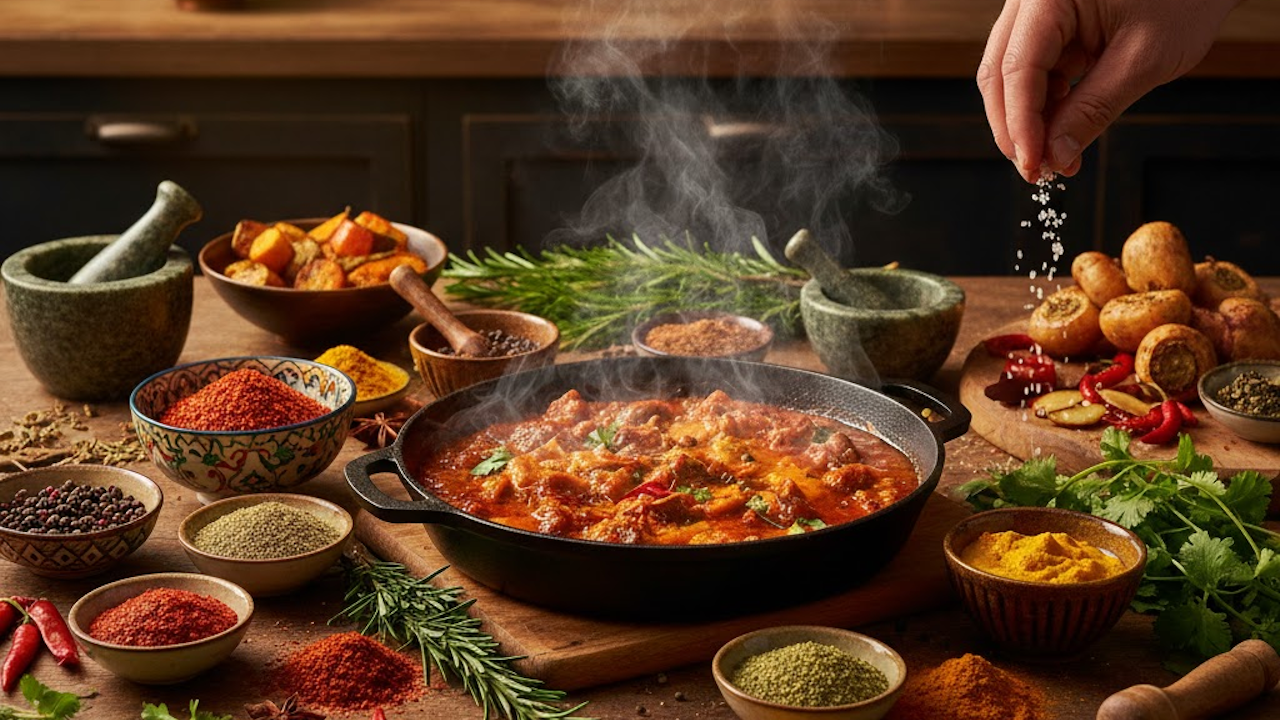
The world of home cooking has never been more exciting, especially when it comes to spices and seasonings. In recent years, kitchens around the globe have witnessed a dramatic shift toward bolder, more adventurous flavors. Home cooks are moving beyond basic salt and pepper to embrace ingredients that bring heat, complexity, and cultural depth to everyday meals. This surge, often called the “heat wave” in culinary circles, reflects growing curiosity about international cuisines, the influence of social media, and a desire for meals that excite the senses.
As of early 2026, spicy and global seasonings continue to dominate trends. Reports from major flavor experts show a consistent rise in demand for fiery elements, with consumers seeking not just raw heat but layered profiles that combine spice with sweetness, smokiness, or umami. This movement has transformed ordinary dishes into something vibrant and memorable, encouraging people to experiment in their own kitchens.
The Rise of Heat: Why Spicy Flavors Are Taking Over
Spicy food is no longer a niche preference. Global data indicates a steady increase in new product launches featuring chili and spice flavors, particularly in sauces, seasonings, snacks, and ready meals. A key driver is the “swicy” phenomenon, short for sweet and spicy, which pairs heat with contrasting sweetness for a balanced, addictive taste. This combination appears in everything from hot honey drizzles to chili-infused desserts.
Home cooks appreciate this trend because it allows personalization. People can adjust heat levels to suit their tolerance while exploring new ingredients. Economic factors also play a role: with more individuals cooking at home to save money, bold seasonings provide an affordable way to elevate simple proteins, vegetables, and grains into restaurant-quality meals.
The influence of social media cannot be overstated. Viral recipes featuring spicy sauces and global blends inspire millions to try new things. Platforms showcase quick hacks like adding a spoonful of fermented chili paste to ramen or tossing vegetables in a North African spice mix, making international flavors accessible and fun.
Global Seasonings Lighting Up Modern Kitchens
Several standout ingredients and blends are driving this spicy revolution. Here are some of the most influential ones shaping home cooking today.
Gochujang, the Korean fermented chili paste, remains a powerhouse. Made from red chilies, glutinous rice, fermented soybeans, and salt, it delivers deep umami, moderate heat, and subtle sweetness. Home cooks stir it into marinades, soups, stews, and even mayonnaise for a quick flavor boost. Its versatility makes it ideal for fusion dishes, such as gochujang-glazed chicken or spicy rice bowls.
Harissa, a North African chili paste from Tunisia, brings fiery intensity with garlic, cumin, coriander, and caraway. Traditionally used in couscous and tagines, it now appears in everything from roasted vegetables to eggs. The paste version adds moisture and complexity, while powdered forms work well as dry rubs. Its tangy, earthy heat appeals to those seeking bold yet aromatic spice.
Berbere, an Ethiopian blend, offers one of the most complex heat profiles. It typically includes chilies, fenugreek, ginger, coriander, cardamom, and other warm spices. This mix creates a warming, multifaceted flavor perfect for stews, lentils, and grilled meats. As interest in African cuisines grows, berbere is gaining fans for its ability to transform basic ingredients into deeply satisfying dishes.
Chili crisp (also known as chili oil) from China has exploded in popularity. This crunchy condiment features fried chilies, garlic, onions, nuts, and spices suspended in oil. It adds texture and layered heat to noodles, dumplings, pizza, and even breakfast eggs. Its addictive quality makes it a go-to for finishing dishes with a burst of flavor.
Other rising stars include peri-peri (a fiery African-Portuguese chili blend), Aji Amarillo (a Peruvian pepper with fruity, tropical notes), and specialty dried chilies like Aleppo or Calabrian. These ingredients allow cooks to build nuanced heat rather than overwhelming burn.
How to Incorporate Global Heat into Everyday Cooking
Bringing these seasonings into your kitchen is simpler than you might think. Start small by adding a teaspoon to familiar recipes. Toss potatoes with harissa before roasting for a smoky kick. Mix gochujang into burger patties or barbecue sauce for Korean-inspired flair. Sprinkle berbere over popcorn or roasted chickpeas for an instant snack upgrade.
For beginners, pre-made blends and pastes offer convenience without sacrificing authenticity. Many grocery stores now stock these items in international aisles. Experimenting with fusion is encouraged: try gochujang in mac and cheese, harissa in hummus, or chili crisp on avocado toast.
Safety tip: Always taste as you go. Heat tolerance varies, so start mild and build up. Pair spicy elements with cooling ingredients like yogurt, coconut milk, or citrus to balance the fire.
The Future Looks Even Hotter
Looking ahead, experts predict continued evolution in spicy trends. Layered heat will dominate, with more pairings of chilies and fruits, smoke, or botanicals. Global fusions, such as Middle Eastern spices in Mexican dishes or African blends in Southern American favorites, will inspire new creations.
The spice section of your pantry is now a gateway to the world. By embracing these global seasonings, home cooks can create exciting, flavorful meals that celebrate diversity and creativity. Whether you prefer subtle warmth or full-on fire, there has never been a better time to spice up your kitchen and let bold flavors lead the way. Grab a jar, start experimenting, and discover how a little heat can transform the ordinary into the extraordinary.