

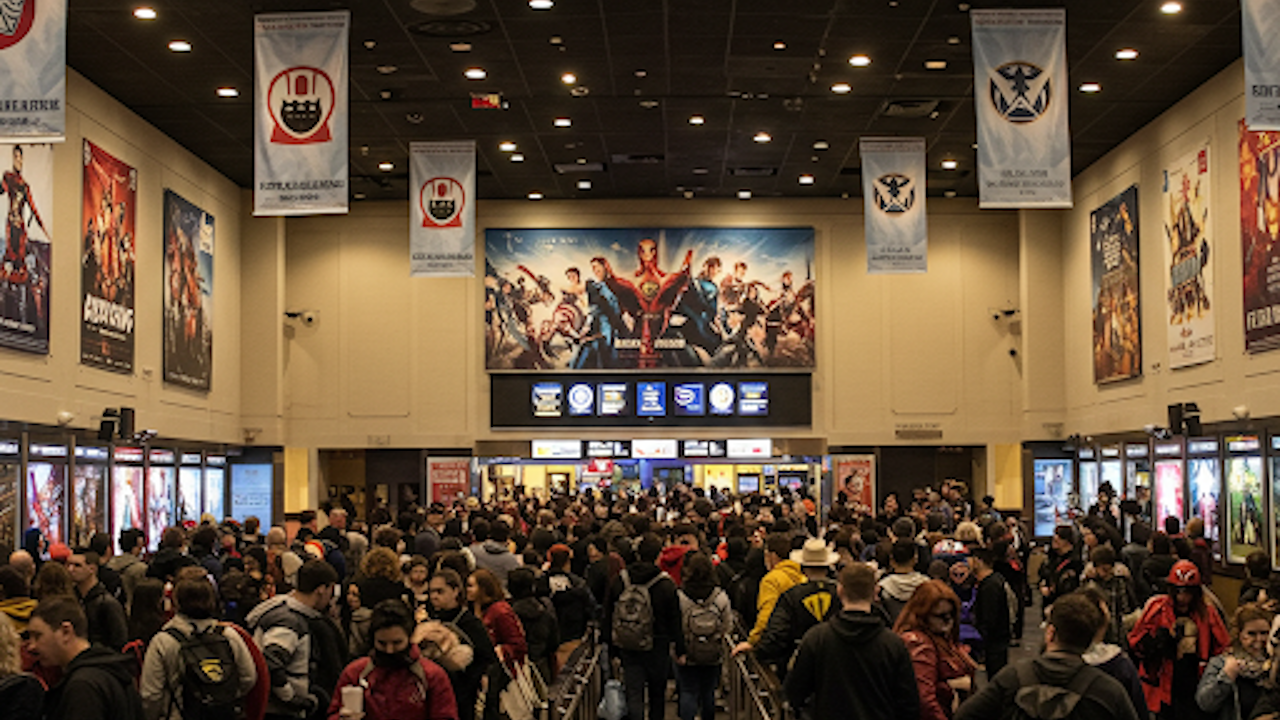
Superhero films have become one of the most dominant forces in contemporary cinema. What began as occasional adaptations of comic book characters has evolved into a steady stream of high-budget productions that frequently top box office charts and shape studio strategies across Hollywood. From the early successes of the late 1970s to the interconnected universes of the 2010s and beyond, these movies now represent a significant share of theatrical releases and revenue. Their prevalence reflects not only audience demand for spectacle and escapism but also profound shifts in how studios develop, market, and distribute content. This article examines the historical roots, economic drivers, cultural significance, challenges, and future trajectory of superhero films in cinemas.
The origins of superhero cinema trace back to the late 1930s and 1940s when characters like Superman and Batman first appeared in comic books. Early film efforts were mostly serials shown in theaters as short chapters before feature presentations. These low-budget productions laid groundwork but lacked the scale and polish of later works. The modern era of big-screen superheroes arguably began in 1978 with the release of Superman, directed by Richard Donner and starring Christopher Reeve. That film demonstrated that comic book material could deliver serious dramatic weight alongside visual effects and humor. It grossed hundreds of millions worldwide on a relatively modest budget for the time and earned critical acclaim, including an Academy Award nomination for its score. The success encouraged sequels and established a template for blending action with character development.
Throughout the 1980s and 1990s, superhero films appeared sporadically. Tim Burton’s Batman in 1989 revitalized the genre with a darker, gothic tone that appealed to adult audiences while still drawing families. The film became a cultural phenomenon, spawning merchandise lines and sequels. Other entries, such as The Crow in 1994 or Blade in 1998, showed that the genre could accommodate varied styles, from gritty urban tales to vampire-hunting action. Yet these releases remained isolated events rather than a consistent slate. Studios viewed comic adaptations as risky bets rather than reliable franchises.
The true explosion started in the early 2000s. Bryan Singer’s X-Men in 2000 proved that ensemble casts of costumed heroes could resonate broadly without relying on a single iconic lead. The film balanced themes of prejudice and identity with thrilling set pieces and earned enough to justify sequels. Sam Raimi’s Spider-Man in 2002 then shattered records, opening to over 114 million dollars domestically in its first weekend and ultimately grossing more than 800 million worldwide. These hits coincided with rapid advances in computer-generated imagery, which allowed filmmakers to depict flight, super strength, and large-scale battles convincingly and at scale. Audiences responded enthusiastically to the escapism these stories provided, especially in a post-September 11 world where narratives of ordinary people rising to extraordinary challenges felt timely.
Marvel Studios accelerated the trend when it launched the Marvel Cinematic Universe with Iron Man in 2008. Under the leadership of Kevin Feige, the studio adopted a long-term strategy of interconnected films and television shows that built toward crossover events. Each movie introduced or advanced characters while maintaining standalone appeal. The approach paid off spectacularly. By the time Avengers: Endgame arrived in 2019, the franchise had become the highest-grossing film series in history, with cumulative earnings exceeding 30 billion dollars across dozens of entries. Other studios took notice. Warner Bros. expanded its DC properties into the DC Extended Universe, Sony developed its Spider-Man universe with Venom and related titles, and even independent or lesser-known characters received treatments.
By the mid-2010s, superhero films had achieved remarkable prevalence in cinemas. In peak years such as 2018 and 2019, multiple titles from the genre occupied slots among the top ten highest-grossing releases globally. For instance, in 2019 Avengers: Endgame alone earned nearly 2.8 billion dollars worldwide, while other entries like Captain Marvel, Spider-Man: Far From Home, and Joker contributed hundreds of millions more. Industry data from that period shows superhero movies accounting for roughly 25 to 30 percent of total domestic box office revenue in strong years. The number of releases also climbed steadily. Where the 2000s saw perhaps one or two major entries annually on average, the 2010s frequently delivered five to eight theatrical superhero films per year from major studios, not counting animated offerings or smaller productions.
Several factors explain this surge. First, technological progress played a central role. Sophisticated visual effects pipelines enabled directors to realize comic panels with photorealistic detail. Motion capture, digital de-aging, and massive green-screen stages allowed for seamless integration of practical and computer-generated elements. Second, the shared-universe model created built-in audience loyalty. Viewers invested time and money to follow ongoing story arcs, much like serialized television but on a grander scale. Third, global markets embraced the content. Action-heavy plots with minimal dialogue dependence translated well across cultures, and international earnings often doubled or tripled domestic totals. China, Europe, and Latin America became crucial revenue sources.
Economic incentives further entrenched the genre. Superhero films generate substantial ancillary income through toys, apparel, video games, and theme park attractions. A single successful title can spawn a decade-long franchise worth billions. Studios facing declining DVD and physical media sales turned to these intellectual properties as reliable assets in an era dominated by streaming competition. Marvel’s acquisition by Disney in 2009 exemplified this shift, giving the mouse house a library of characters that could cross-promote across its empire. Warner Bros. similarly leveraged DC characters for synergy with its other divisions.
Culturally, superhero films tap into timeless archetypes. They embody myths of heroism, sacrifice, and redemption updated for modern sensibilities. Characters confront real-world issues like terrorism, environmental catastrophe, government overreach, and personal trauma while delivering cathartic victories. For younger audiences, the films offer role models and moral frameworks in accessible packages. For adults, they provide nostalgic comfort and communal experiences in packed theaters, complete with cheering crowds during key moments. The communal aspect of theatrical viewing remains a key draw, as fans gather to experience premieres, post-credit scenes, and shared reactions that streaming cannot replicate.
Despite these strengths, the prevalence of superhero films has drawn criticism. Detractors argue that the genre crowds out original screenplays and mid-budget dramas. In the 1990s and early 2000s, theaters regularly featured a wider variety of fare, including character-driven stories with budgets between 20 and 80 million dollars. Today, many such projects migrate to streaming platforms, where they struggle for visibility. Industry observers note that the focus on tentpole releases has homogenized summer and holiday slates, with cinemas sometimes hosting three or four superhero titles in close proximity.
Another concern centers on narrative fatigue. After more than 30 Marvel Cinematic Universe entries and numerous DC films, some viewers report exhaustion with repetitive tropes: origin stories, team-ups, world-ending threats, and post-credit teases. Quality has varied, and certain releases have prioritized spectacle over character depth or originality. This perception intensified after the peak of 2019. The COVID-19 pandemic disrupted theatrical distribution, accelerating a shift toward home viewing and altering audience habits. When theaters reopened, several high-profile superhero films underperformed relative to expectations.
Data from the early 2020s illustrates the shift. Between 2015 and 2019, the vast majority of superhero titles exceeded 500 million dollars worldwide. After 2022, more than half fell short of that benchmark. Titles such as The Flash, The Marvels, and Madame Web opened modestly and faded quickly. Even entries with established stars or strong source material faced headwinds. In 2024, Deadpool and Wolverine provided a notable exception, earning over 1.3 billion dollars through irreverent humor and crossover appeal. Yet 2025 marked a troubling milestone: for the first non-pandemic year since 2011, no superhero film reached 700 million dollars globally. Superman, the highest earner that year, grossed approximately 618 million worldwide, followed by The Fantastic Four: First Steps at around 472 million and Captain America: Brave New World at 415 million. Thunderbolts rounded out the slate with 382 million. While respectable figures, they fell short of the billion-dollar benchmarks that once defined success for major entries.
Critics and analysts offer multiple explanations for the slowdown. Oversaturation ranks high on the list. With Marvel, DC, Sony, and others releasing entries annually, audiences became more selective, favoring only those with fresh premises or strong word-of-mouth. Changing demographics also matter. Younger viewers, raised on streaming and short-form content, may prefer bite-sized entertainment over three-hour epics. Broader economic pressures, including inflation and competing leisure options, have made casual moviegoing more discretionary. Additionally, some releases suffered from production troubles, script rewrites, or marketing missteps that damaged pre-release buzz.
Nevertheless, the genre retains resilience. Theatrical exhibition still benefits from the event-like nature of major superhero releases. Premium formats such as IMAX, 3D, and large-format screens command higher ticket prices and draw dedicated fans. Merchandising and licensing continue to generate revenue independent of box office performance. Moreover, studios have begun adjusting strategies in response to feedback. Marvel has emphasized tighter storytelling and character focus in recent phases, while DC under new leadership has pursued a more cohesive universe with standalone appeal.
Looking ahead to 2026 and 2027, the pipeline suggests continued prevalence. Marvel plans Spider-Man: Brand New Day for July 2026 and Avengers: Doomsday for December of that year. DC has Supergirl: Woman of Tomorrow scheduled for June 2026, along with other titles like Clayface. These projects incorporate lessons from recent years, including diverse directing voices, updated character interpretations, and marketing that highlights novelty rather than continuity alone. International co-productions and emerging markets may further expand the audience base.
In conclusion, superhero films occupy a central place in modern cinemas because they deliver reliable spectacle, emotional payoff, and commercial upside in an uncertain industry. Their rise reflects broader trends toward franchise filmmaking, technological capability, and globalized entertainment. While recent years have introduced challenges of fatigue and shifting tastes, the genre shows no signs of disappearing. Instead, it is evolving. Studios are experimenting with tone, scale, and distribution models to sustain interest. Audiences, for their part, continue to respond to well-crafted stories of heroism amid chaos. As long as cinemas seek blockbusters that fill seats and spark conversation, superhero films will likely maintain their prominent role, adapting to new realities while preserving the core appeal that has captivated viewers for nearly five decades. The future may feature fewer releases each year, higher quality thresholds, and greater variety within the form, but the prevalence of capes and masks on the big screen remains a defining feature of contemporary moviegoing.