

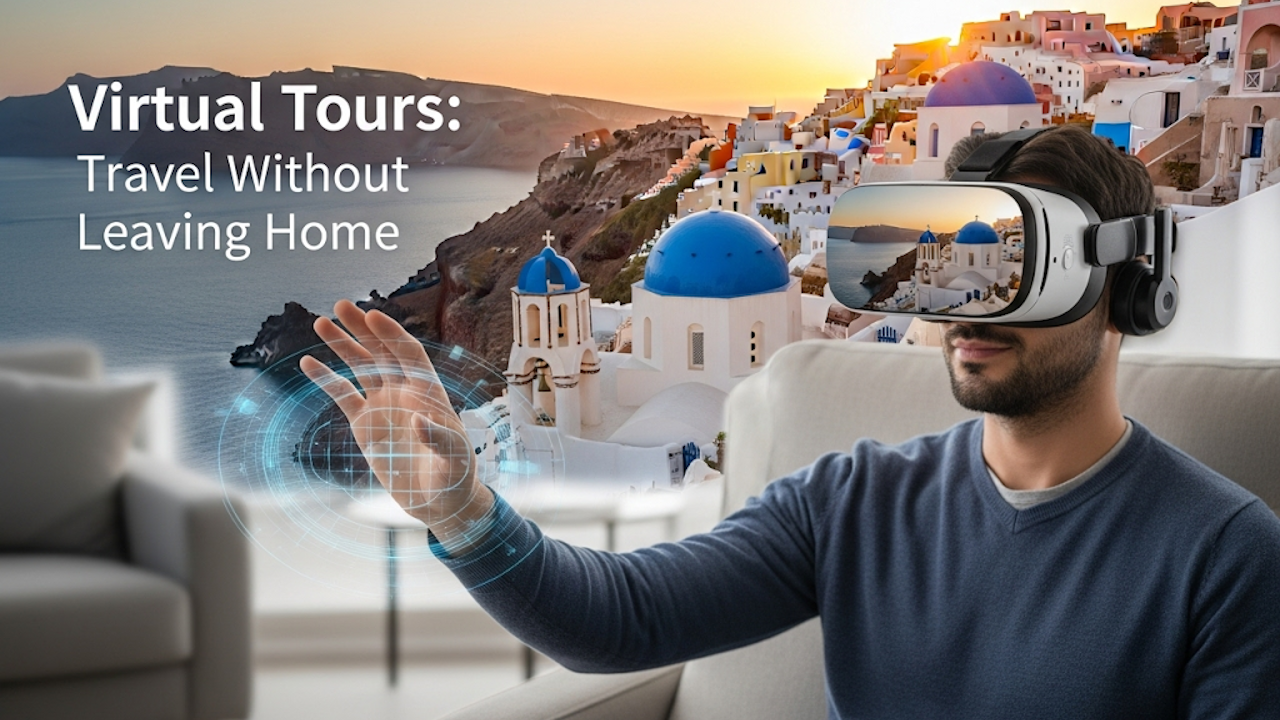
Virtual tours have transformed the way people experience the world. These digital journeys allow anyone with an internet connection to explore distant lands, famous landmarks, museums, and natural wonders without packing a suitcase or stepping onto an airplane. In an era of busy schedules, budget constraints, and occasional travel restrictions, virtual tours offer a practical and immersive alternative to traditional travel. They combine stunning visuals, interactive elements, and educational content to deliver experiences that feel remarkably close to the real thing.
The concept of virtual travel is not entirely new, but recent technological advances have elevated it to new heights. What began as simple 360-degree photos has evolved into fully interactive environments where users can walk through streets, zoom into intricate details, and even interact with guides or locals in real time. This article explores the rise of virtual tours, their many advantages, the technology powering them, popular examples, and what the future might hold.
The Origins and Growth of Virtual Tours
Virtual tours trace their roots back to the early days of the internet. In the 1990s, panoramic photography allowed users to view stitched images of locations from a fixed point. These early efforts were basic by today’s standards, often limited to low-resolution stills that required plugins to view. The turning point came with the widespread adoption of broadband internet and improved digital cameras.
Google played a major role in popularizing the format. Its Street View project, launched in 2007, mapped countless streets around the globe using specialized vehicles and cameras. This gave users the ability to “walk” through cities from their computers. Museums and heritage sites soon followed suit, creating online versions of their exhibits. The COVID-19 pandemic in 2020 accelerated adoption dramatically. With physical travel halted for many months, institutions rushed to digitize their offerings. Airlines, hotels, and tourism boards invested heavily in virtual alternatives to maintain engagement with potential visitors.
Today, virtual tours span everything from real estate showings to university campus visits and exotic wildlife safaris. The market has grown into a multi-billion-dollar industry, with applications in education, marketing, and entertainment.
Key Benefits of Virtual Tours
One of the strongest appeals of virtual tours is accessibility. People with mobility challenges, financial limitations, or time constraints can now visit places that would otherwise remain out of reach. A senior citizen in a small town can stroll through the halls of the Louvre in Paris or hike the trails of Machu Picchu without physical strain. Students in remote areas gain access to world-class cultural institutions.
Cost savings represent another major advantage. Traditional travel involves expenses for flights, accommodation, food, and transportation. Virtual tours eliminate most of these costs while still delivering educational and emotional value. Families can enjoy a “trip” together in their living room, fostering shared memories without the stress of logistics.
Environmental benefits also stand out. Air travel and mass tourism contribute significantly to carbon emissions. Virtual tours provide a low-impact way to satisfy wanderlust and promote cultural appreciation. Some experts argue that these digital experiences can even encourage future sustainable travel by building deeper connections to destinations.
Virtual tours also serve powerful educational purposes. History comes alive when students can explore ancient Roman ruins or Civil War battlefields in detail. Science enthusiasts can dive into coral reefs or volcanic craters. The interactive nature keeps learners engaged longer than static textbooks or videos.
For businesses and destinations, virtual tours function as powerful marketing tools. Hotels offer room previews, national parks showcase trails, and cities highlight attractions. This helps potential visitors make informed decisions and builds excitement for eventual in-person trips.
Types of Virtual Tours
Virtual tours come in several formats, each suited to different purposes.
The simplest form is the 360-degree photo tour. Users stand at a fixed viewpoint and look around in all directions. These are quick to produce and work well for real estate or hotel rooms.
More advanced are guided video tours, where a narrator or on-screen host leads viewers through a location while providing commentary. These often include background music and text overlays for additional information.
Interactive 3D tours represent the current gold standard. Built using photogrammetry or laser scanning, these allow free movement through a space. Users can walk at their own pace, open doors, examine objects up close, and sometimes change the time of day or weather conditions.
Live virtual tours add a social dimension. A real guide streams from the location, answering questions in real time via chat or voice. Popular during lockdowns, these continue to thrive for specialized experiences like behind-the-scenes museum access or expert-led wildlife observations.
Some tours incorporate virtual reality headsets for even greater immersion. Users feel physically present in the environment, with the ability to look up, down, and around naturally. Augmented reality versions overlay digital information onto the real world through smartphone cameras, though these are more common in hybrid experiences.
Technology Powering Virtual Tours
Several key technologies make modern virtual tours possible. High-resolution cameras capture detailed images and videos. Drones provide aerial perspectives of landscapes and hard-to-reach areas. LiDAR sensors create precise 3D models by measuring distances with laser light.
Software platforms stitch thousands of images together seamlessly. Tools like Matterport, Kuula, and custom solutions from major tech companies handle hosting and interactivity. Artificial intelligence now enhances many tours by automatically generating descriptions, translating content into multiple languages, or even creating personalized routes based on user interests.
Broadband internet and 5G networks ensure smooth streaming of high-quality content. Cloud computing handles the heavy processing requirements, making sophisticated tours accessible on ordinary devices.
Accessibility features have improved significantly. Screen readers describe scenes for visually impaired users, while closed captions and sign language interpreters support those with hearing differences. Some tours offer simplified navigation for younger audiences or people with cognitive challenges.
Popular Virtual Tour Destinations and Experiences
Countless locations now offer virtual tours, covering every continent.
In Europe, the British Museum in London allows detailed exploration of its galleries, including the Rosetta Stone and Elgin Marbles. Visitors can examine artifacts from multiple angles. The Palace of Versailles offers a grand tour of its opulent rooms and gardens. Italy’s Colosseum and Pompeii provide historical context alongside immersive views.
Asia features spectacular options. Japan’s ancient temples in Kyoto come alive with seasonal virtual visits that show cherry blossoms or autumn foliage. The Great Wall of China stretches across virtual landscapes, complete with historical narration. Southeast Asian countries showcase floating markets and coral reefs.
Africa’s virtual safaris let users observe lions, elephants, and other wildlife from the safety of home. Kenya and South Africa lead in this area, partnering with conservation organizations to educate viewers about protection efforts.
The Americas offer diverse experiences. Machu Picchu in Peru provides breathtaking mountain views. New York City’s virtual tours cover Times Square, Central Park, and iconic museums. National parks like Yellowstone and the Grand Canyon deliver geological wonders and wildlife sightings.
Underwater enthusiasts can explore the Great Barrier Reef in Australia or shipwrecks in the Caribbean. Space enthusiasts tour the International Space Station or Mars through NASA’s virtual offerings.
Museums worldwide have embraced the format. The Smithsonian Institution in Washington, D.C., hosts dozens of virtual exhibits. The Hermitage in St. Petersburg and the Prado in Madrid offer high-resolution views of masterpieces.
How to Experience or Create Virtual Tours
Getting started with virtual tours requires nothing more than a computer, tablet, or smartphone with internet access. Many are free, while premium experiences may charge a small fee for exclusive content or live sessions.
Popular platforms include Google Arts & Culture, which aggregates tours from thousands of institutions. Airbnb Experiences sometimes offers virtual options. Dedicated sites like Virtual Vacation or museum websites provide direct access.
To create a virtual tour, individuals or organizations need suitable equipment. A 360-degree camera is the basic requirement. For professional results, 3D scanning tools produce more sophisticated models. Editing software helps polish the final product. Hosting platforms provide embedding options for websites and social media.
Tips for creators include planning clear pathways, adding informative hotspots, ensuring mobile compatibility, and updating content regularly. High-quality narration or text descriptions enhance educational value.
Challenges and Limitations
Despite their many strengths, virtual tours have drawbacks. They cannot fully replicate sensory experiences such as smells, tastes, local sounds, or the feeling of physical presence. Some users experience motion sickness in highly immersive formats. Not all locations have been digitized yet, leaving gaps in coverage.
Digital divides remain an issue. People without reliable internet or modern devices cannot participate fully. Privacy concerns arise when tours capture public spaces or private properties.
Maintaining engagement over long periods can be challenging compared to real travel’s constant novelty. Technical glitches occasionally interrupt experiences.
The Future of Virtual Tours
Looking ahead, virtual tours will likely become even more sophisticated. Integration with artificial intelligence could create personalized guides that adapt to individual interests and learning styles. Haptic feedback suits might simulate textures and temperatures. Metaverse platforms could host shared virtual destinations where groups of friends explore together in real time.
Sustainability efforts may tie virtual tours to carbon offset programs or real-world conservation projects. Education systems might incorporate them more deeply into curricula. Hybrid models combining virtual previews with streamlined in-person visits could become standard.
As technology improves, the line between virtual and physical travel may blur further. Augmented reality glasses could overlay digital enhancements onto real-world trips, while advanced simulations approach photorealism.
Conclusion
Virtual tours represent a remarkable achievement in human creativity and technology. They democratize access to the world’s wonders, reduce environmental impact, and open new possibilities for education and discovery. While they cannot completely replace the joy of physical travel, they serve as a valuable complement and, for many people, a satisfying alternative.
Whether exploring a local museum on a rainy afternoon or dreaming of distant continents from a living room couch, virtual tours remind us that curiosity and wonder need no passport. As the technology continues to advance, the opportunity to travel without leaving home will only grow richer, more accessible, and more inspiring. The world awaits, just a few clicks away.