

In the span of just a few decades, robotics has evolved from a specialized field reserved for industrial assembly lines and research laboratories into an indispensable element of ordinary human existence. By 2026, robots are no longer futuristic curiosities but practical tools that streamline tasks, enhance safety, and expand human capabilities. They vacuum our floors, prepare our meals, assist in medical procedures, and collaborate on complex projects at work. This seamless integration reflects rapid advances in artificial intelligence, sensor technology, and materials science. What began as simple automated machines has become a network of intelligent systems that adapt to our needs, learn from our habits, and operate alongside us in homes, offices, hospitals, and beyond. The transformation touches every aspect of daily life, promising greater efficiency while raising important questions about dependency, employment, and the boundaries between human and machine roles.
At home, robotics first gained widespread acceptance through devices designed to handle repetitive chores. Robotic vacuum cleaners, pioneered by companies like iRobot with its Roomba series, exemplify this shift. These compact units employ lidar sensors, cameras, and machine learning algorithms to create detailed maps of living spaces. They navigate around furniture, detect dirt levels, and return to charging docks automatically. Families no longer spend hours pushing vacuums or brooms; instead, the robot operates quietly during the day or night, maintaining cleanliness without supervision. Similar innovations extend to other household tasks. Robotic mops and window cleaners use gyroscopic stabilization and edge detection to tackle wet surfaces and glass without streaking or falling. Lawn care robots, such as those from Husqvarna and Worx, mow grass autonomously, avoiding obstacles and returning to base stations when rain approaches or batteries run low. These devices rely on boundary wires or GPS integration, reducing the physical labor traditionally associated with yard maintenance and allowing homeowners more time for leisure or family activities.
Kitchen robotics represents another frontier where convenience meets precision. Automated appliances now include robotic arms capable of chopping vegetables, stirring sauces, and even assembling simple meals. Systems like the Moley Kitchen Robot feature dual arms that replicate human movements, guided by pre programmed recipes and computer vision to identify ingredients. Users load fresh produce into designated stations, select a dish via a touchscreen interface, and the robot executes the steps with consistent timing and portion control. This technology appeals particularly to busy professionals and individuals with limited mobility. Smart refrigerators equipped with internal cameras and robotic retrieval mechanisms scan contents, suggest recipes based on available items, and even dispense ingredients directly onto countertops. Coffee makers and bread machines have incorporated robotic dispensers that grind beans or knead dough at optimal intervals, ensuring consistent results every time. These home kitchen robots minimize food waste through inventory tracking and promote healthier eating by offering nutritional analysis alongside preparation.
Beyond chores, robotics enhances personal care and well-being within domestic settings. Companion robots provide emotional and practical support, especially for aging populations. Models such as ElliQ from Intuition Robotics engage users in conversation, remind them of medication schedules, and facilitate video calls with relatives. These devices use natural language processing to detect mood changes and respond empathetically, reducing feelings of isolation. For those with physical limitations, robotic exoskeletons like those developed by Ekso Bionics assist with walking and standing, enabling independent movement around the house. Wearable robotic gloves help with gripping objects, while automated pill dispensers sort and deliver medications at precise times, complete with alerts sent to caregivers if doses are missed. In the realm of fitness, robotic exercise companions adjust resistance levels dynamically and provide real time feedback on form, making home workouts more effective and safer than traditional equipment alone.
Security and energy management have also benefited from robotic integration. Home surveillance robots patrol interiors and exteriors using thermal imaging and motion detection, distinguishing between family members, pets, and potential intruders. They can follow predefined routes or respond to voice commands, streaming live footage to smartphones. Robotic window shades and curtain systems adjust automatically based on sunlight and temperature sensors, optimizing natural light while conserving energy. Smart home hubs coordinate multiple robotic devices, creating ecosystems where a vacuum might pause when a security robot detects unusual activity or when the kitchen robot begins meal preparation. These interconnected systems learn household routines over time, anticipating needs such as dimming lights at bedtime or preheating ovens before dinner.
Transitioning from home to the broader world of personal mobility and errands, robotics influences how people commute and receive goods. Autonomous delivery robots, including sidewalk models from Starship Technologies and larger vehicle based platforms from Nuro, transport packages, groceries, and meals with minimal human intervention. Equipped with radar, lidar, and redundant safety systems, these units navigate streets, crosswalks, and building entrances while avoiding pedestrians and traffic. In urban areas, residents order takeout or prescriptions and track the robot’s progress in real time via apps. Self driving cars from companies like Waymo and Cruise extend this autonomy to personal transportation, allowing commuters to read, work, or rest during journeys that once demanded full attention. Public transit systems increasingly incorporate robotic shuttles for last mile connections, reducing congestion and emissions. Even aerial drones assist in remote or rural deliveries, dropping parcels via winch mechanisms in areas inaccessible by road.
At work, robotics amplifies productivity across sectors while reshaping job descriptions. In manufacturing and logistics, industrial robotic arms from ABB and Fanuc perform repetitive assembly tasks with speed and accuracy far exceeding human limits. These machines handle welding, painting, and packaging in automotive plants and electronics factories, operating continuously without fatigue. Collaborative robots, or cobots, represent a newer category designed to work safely alongside people. Universal Robots and similar platforms use force torque sensors to detect human presence and adjust movements accordingly, enabling shared workspaces where humans focus on creative problem solving while robots manage heavy lifting or precise alignments. Warehouses operated by Amazon and others deploy fleets of mobile robots that transport shelves to human pickers, slashing travel time and injury risks. Inventory drones scan high shelves autonomously, updating stock levels in real time and integrating with enterprise software.
Office environments have adopted robotics for support roles that free employees from mundane duties. Robotic document handlers scan, sort, and archive paperwork, while telepresence robots allow remote workers to attend meetings physically represented by a rolling screen and camera unit. In hospitality and retail, service robots greet customers, guide them to products, and process payments. SoftBank’s Pepper robot, for instance, engages shoppers with interactive displays and language translation capabilities, enhancing customer experience in multilingual settings. Restaurants employ robotic servers that deliver food trays along fixed or dynamic paths, reducing wait staff workload during peak hours. Agricultural robotics transforms fieldwork as well. Autonomous tractors from John Deere use GPS and computer vision to plant, fertilize, and harvest crops with pinpoint accuracy, while specialized picking robots identify ripe produce using hyperspectral imaging and gently detach it without bruising. These systems address labor shortages in farming communities and promote sustainable practices by minimizing chemical overuse through targeted application.
Healthcare workplaces illustrate robotics’ most transformative potential. Surgical robots such as the da Vinci system provide surgeons with enhanced dexterity through tiny incisions, leading to faster recoveries and fewer complications. Robotic assistants in hospitals transport linens, medications, and laboratory samples along corridors, allowing nurses to concentrate on direct patient care. Rehabilitation robots guide stroke patients through therapy exercises with adaptive resistance, tracking progress via embedded sensors and adjusting programs based on recovery data. In laboratories, robotic pipetting systems process thousands of samples daily for diagnostics and research, accelerating breakthroughs in medicine. Even mental health support benefits from robotic companions in clinical settings, offering consistent interaction for patients experiencing anxiety or depression.
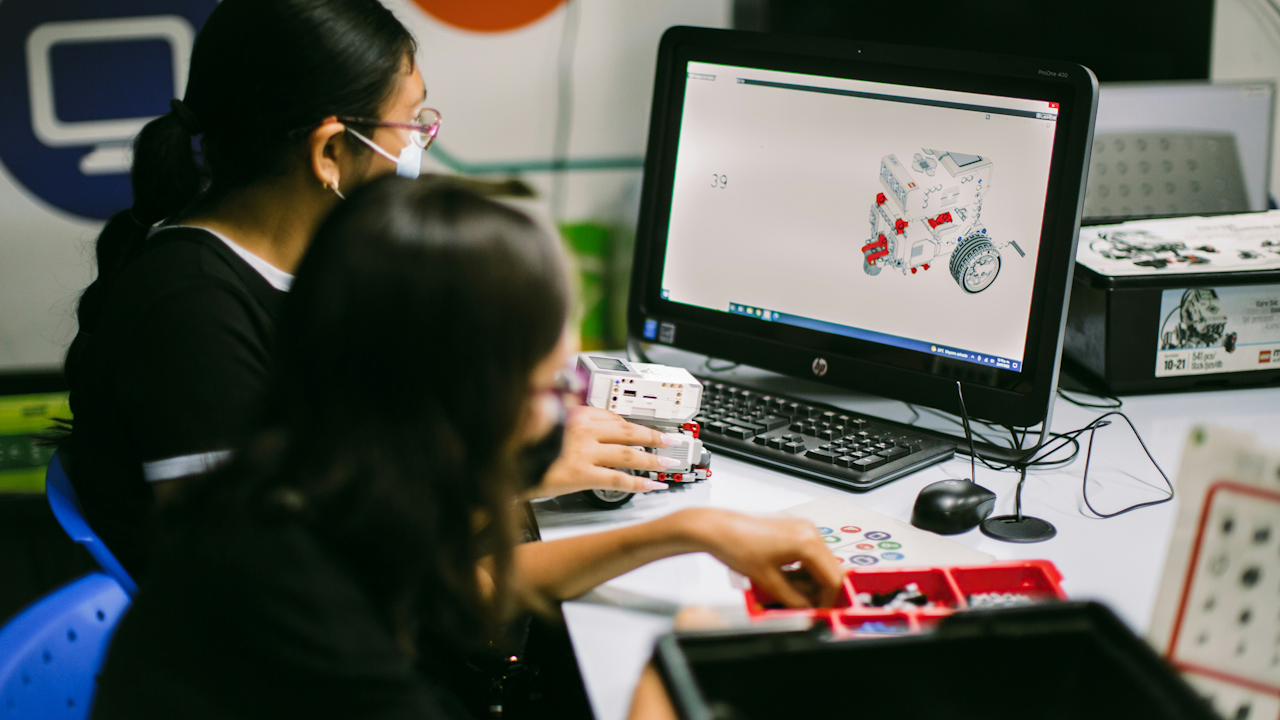
Education and training environments integrate robotics to prepare future generations. Schools deploy programmable robots like those from LEGO Mindstorms or Sphero to teach coding, physics, and teamwork through hands on projects. University labs use advanced humanoid robots for medical simulations, allowing students to practice procedures without risking real patients. Corporate training programs incorporate virtual reality combined with robotic mannequins to replicate hazardous scenarios, such as firefighting or chemical handling, in controlled conditions. Entertainment venues feature robotic performers and interactive exhibits that respond to audience cues, creating immersive experiences at theme parks and museums.
Despite these advancements, the proliferation of robotics in daily life presents notable challenges. Job displacement remains a primary concern, as automation displaces roles in manufacturing, retail, and transportation. Workers must acquire new skills in robot maintenance, programming, and oversight to remain competitive. Privacy issues arise from the constant data collection by home and workplace robots, which monitor movements, preferences, and conversations. Robust cybersecurity measures and transparent data policies are essential to prevent misuse. Safety standards continue to evolve, particularly for cobots and autonomous vehicles, where edge cases in unpredictable environments demand rigorous testing. Ethical considerations include the potential for overreliance on robots, which might erode human skills or social connections if not balanced thoughtfully. Regulatory frameworks must address liability in accidents involving robots and establish guidelines for decision making in life critical situations.
Looking ahead, the convergence of robotics with artificial intelligence, 5G connectivity, and advanced materials points toward even deeper integration. Humanoid robots, such as Tesla’s Optimus and Figure’s AI driven models, are progressing toward general purpose assistance in both homes and workplaces. These versatile units may eventually handle complex sequences like folding laundry, caring for children, or collaborating on research projects. Swarm robotics, where groups of small robots coordinate like insect colonies, could revolutionize tasks in disaster response, environmental monitoring, and large scale construction. Energy efficient designs and biodegradable components will make robotics more sustainable, aligning with global environmental goals. Human robot collaboration will likely emphasize augmentation rather than replacement, with interfaces that allow intuitive control through gestures, voice, or brain computer links.
In conclusion, robotics has woven itself into the tapestry of daily life, bridging the gap between home and work with remarkable efficiency and adaptability. From the quiet hum of a vacuum cleaner mapping a living room to the precise movements of a surgical arm in an operating theater, these technologies enhance productivity, safety, and quality of life. As adoption accelerates, society must navigate the accompanying opportunities and responsibilities with foresight. Embracing robotics thoughtfully can unlock unprecedented human potential, freeing people to pursue creativity, relationships, and innovation while machines manage the routine. The journey from isolated factory automatons to ubiquitous daily partners underscores humanity’s ingenuity and signals a future where robots serve not as replacements but as extensions of our collective capabilities.