

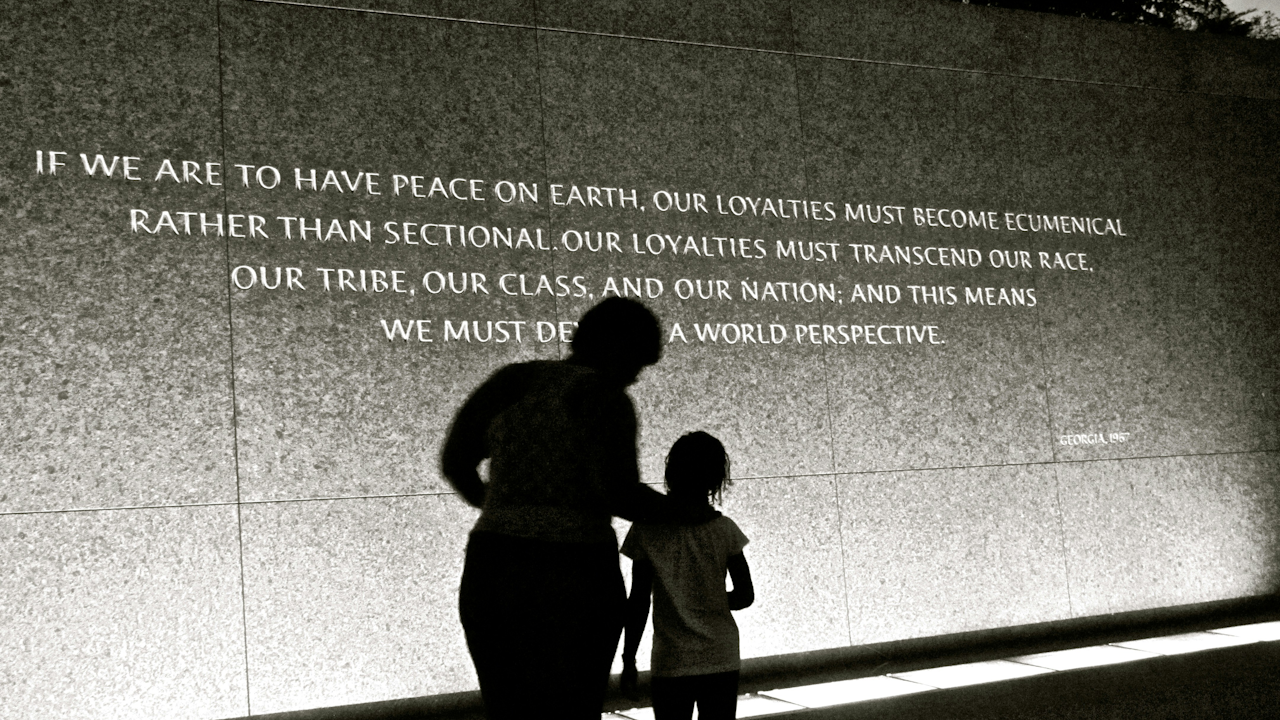
In today’s world, polarization stands as one of the most pressing challenges facing societies across the globe. From heated political campaigns to everyday conversations at family dinners, people increasingly sort themselves into opposing camps. Differences in opinion on issues ranging from economic policy to cultural values have hardened into seemingly unbridgeable gaps. Friends unfollow one another on social media, colleagues avoid certain topics at work, and communities fracture along ideological lines. This article examines the roots of polarization, its consequences for individuals and institutions, and most importantly, whether structured, honest dialogue offers a realistic path toward healing these divides.
Polarization is not a new phenomenon. History records numerous periods of intense division, from the religious wars of early modern Europe to the ideological clashes of the Cold War. What distinguishes the current wave, however, is its speed and scope. Digital technologies have accelerated the process by allowing information, and misinformation, to spread instantaneously. Social media platforms, designed to maximize user engagement, often prioritize content that evokes strong emotions such as anger or fear. As a result, users encounter a steady stream of posts that confirm their existing beliefs while portraying opposing views in the most unflattering light.
Several factors contribute to this dynamic. One is the rise of echo chambers, environments where individuals are exposed primarily to like-minded perspectives. Algorithms curate news feeds and recommendations based on past behavior, creating self-reinforcing loops. Another driver is motivated reasoning, a psychological tendency in which people accept evidence that supports their preconceptions and scrutinize or dismiss evidence that challenges them. Identity politics adds another layer. When political affiliations become tied to core aspects of personal identity, such as race, religion, or class, disagreements feel like personal attacks rather than policy disputes.
Economic and cultural shifts have also played a role. Globalization and technological change have produced winners and losers, leaving many in regions hit hard by job losses or demographic transitions feeling overlooked. Rapid cultural changes around gender, immigration, and family structures have sparked backlash among those who perceive these shifts as threats to traditional ways of life. Media outlets, both traditional and digital, sometimes amplify these tensions by framing stories in partisan terms to retain loyal audiences.
The effects of polarization extend far beyond discomfort in conversation. In democratic systems, it leads to legislative gridlock. Lawmakers prioritize scoring points against the opposition over finding compromise, resulting in stalled budgets, delayed reforms, and diminished public trust in government. Surveys consistently show declining confidence in institutions such as courts, universities, and the press. At the societal level, polarization correlates with increased social isolation. People report fewer cross-partisan friendships and more anxiety about interacting with those who hold different views.
Polarization also carries risks for public health and safety. During crises such as pandemics or natural disasters, divided publics struggle to coordinate responses. Misinformation spreads more easily when trust in shared facts erodes. In extreme cases, polarization has fueled violence, from riots to politically motivated assaults. Even in stable democracies, the emotional toll is significant. Individuals experience higher levels of stress, depression, and a sense of alienation when they feel their worldview is under constant siege.
Given these costs, many observers ask whether dialogue can reverse the trend. Dialogue here means something more substantive than casual chat or online debate. It refers to facilitated, face-to-face exchanges in which participants commit to listening with genuine curiosity, suspending judgment long enough to understand the other’s perspective, and exploring underlying values rather than rehearsing talking points. The goal is not conversion but mutual understanding and, where possible, identification of common ground.
The case for dialogue rests on both theory and evidence. Decades of social psychology research support the contact hypothesis, first articulated by Gordon Allport in the 1950s. Under the right conditions, direct contact between members of opposing groups reduces prejudice. Those conditions include equal status, common goals, cooperation, and institutional support. When people meet as equals and work together toward shared objectives, stereotypes often crumble.
Real-world examples illustrate the potential. In post-apartheid South Africa, the Truth and Reconciliation Commission created spaces for victims and perpetrators to share testimonies. While the process was imperfect and did not erase all resentments, it helped prevent the cycle of revenge that has plagued other divided societies. In Northern Ireland, grassroots dialogue initiatives between Catholic and Protestant communities contributed to the eventual Good Friday Agreement. More recently, organizations in the United States have experimented with structured workshops that bring conservatives and liberals together for extended conversations. Participants often report reduced hostility and increased willingness to consider opposing arguments, even if core beliefs remain unchanged.
Academic studies reinforce these observations. Experiments in deliberative polling, pioneered by James Fishkin, gather representative samples of citizens for weekend-long discussions on policy issues. Participants receive balanced briefing materials, hear expert presentations, and engage in moderated small-group talks. Post-deliberation surveys frequently show movement toward moderate positions and greater appreciation for complexity. Similar results emerge from intergroup dialogue programs on college campuses, where students from different racial or ideological backgrounds meet regularly over a semester.
Dialogue also aligns with insights from cognitive science. Humans possess a remarkable capacity for perspective-taking, the mental exercise of imagining another person’s thoughts and feelings. When this capacity is engaged, brain regions associated with empathy activate, softening the us-versus-them instinct. Storytelling plays a powerful role here. Hearing personal narratives rather than abstract arguments humanizes the speaker and makes abstract policy disagreements feel less threatening.
Yet skepticism is warranted. Critics argue that dialogue is a luxury afforded only when power imbalances are minimal or when participants share basic democratic norms. In deeply asymmetric conflicts, such as those involving systemic discrimination or existential threats, calls for dialogue can sound like demands for the oppressed to accommodate their oppressors. Entrenched extremists may participate in bad faith, using dialogue as a platform for propaganda rather than mutual understanding. Moreover, some divisions rest on fundamentally incompatible worldviews, such as disputes over the nature of truth itself or the moral status of certain practices. No amount of empathetic listening can reconcile those who believe abortion is murder with those who believe it is a fundamental right.
Scale presents another obstacle. While small-group dialogues can transform individuals, replicating that impact across millions remains difficult. Online platforms, which reach vast audiences, often exacerbate polarization because anonymity and distance reduce accountability. Algorithms reward outrage, not nuance. Even well-intentioned digital dialogue tools struggle against these incentives.
Structural factors also limit dialogue’s reach. Economic inequality and residential segregation mean that many people rarely encounter ideological opponents in daily life. Schools and workplaces that once mixed people from different backgrounds have become more homogeneous in some regions. Without opportunities for contact, dialogue cannot even begin.
Despite these limitations, dismissing dialogue entirely would be premature. The evidence suggests it works best as part of a broader strategy rather than a standalone solution. Education systems could incorporate media literacy and critical thinking curricula that teach students to evaluate sources, recognize cognitive biases, and practice respectful disagreement. Civic institutions might invest in local forums where neighbors discuss community issues such as school funding or public safety without national partisan overlays. News organizations could experiment with formats that highlight areas of consensus rather than conflict alone.
Technology offers mixed potential. While many platforms currently worsen divides, others are exploring features that promote slower, more reflective interaction. Some developers have created apps designed explicitly for cross-partisan conversation, complete with guidelines that encourage questions over assertions. Artificial intelligence could one day serve as neutral moderators, summarizing arguments and flagging logical fallacies without injecting bias.
Leaders at every level have a responsibility to model constructive dialogue. Politicians who publicly praise opponents for good-faith ideas, even while disagreeing on policy, send a powerful signal. Business executives can foster workplace cultures that reward intellectual humility. Religious and community leaders might emphasize shared moral foundations, such as compassion or justice, that transcend partisan lines.
Successful dialogue also requires personal virtues that are difficult to cultivate in polarized times: patience, intellectual humility, and a willingness to tolerate discomfort. Participants must accept that changing minds is rare and that understanding is the more realistic prize. This acceptance can feel unsatisfying to those who crave decisive victory, yet it may be the only foundation upon which lasting social trust can be rebuilt.
Looking ahead, the trajectory of polarization will depend on choices made today. Societies could double down on winner-take-all politics and algorithmic amplification, risking further erosion of democratic norms. Alternatively, they could invest in the infrastructure of dialogue: training facilitators, funding community programs, reforming media incentives, and teaching the next generation how to disagree without dehumanizing. The latter path demands effort and carries no guarantee of success. Yet the alternative, continued drift toward mutual hostility, carries far greater risks.
History offers cautious hope. Nations have overcome deep divisions before, often through painful but ultimately productive conversations. The American founding itself emerged from intense debate among people who held sharply different visions of government. The civil rights movement combined protest with moral suasion aimed at the consciences of those outside the movement. Even in the darkest moments, individuals who chose dialogue over demonization planted seeds that later bloomed.
Polarization thrives on simplification and certainty. Dialogue introduces complexity and doubt, qualities that can feel threatening but are essential to human progress. It reminds us that behind every opposing position lies a human being with hopes, fears, and reasons that deserve consideration. In a world awash with noise, carving out spaces for such consideration may seem quaint. Yet it may also be the most practical remedy available.
Ultimately, dialogue alone cannot heal all divides. Economic reforms, electoral changes, and cultural shifts are necessary companions. But without the willingness to engage across lines of difference, those larger reforms become nearly impossible. Polarization is not inevitable. It is a choice, reinforced by habits and systems that can be altered. The question is not whether dialogue can magically dissolve every disagreement. The question is whether enough people are willing to try it, persistently and in good faith, to begin the slow work of repair. If the answer is yes, then divides that seem permanent today may prove more permeable than they appear. The stakes, for individuals, communities, and entire nations, could hardly be higher.