

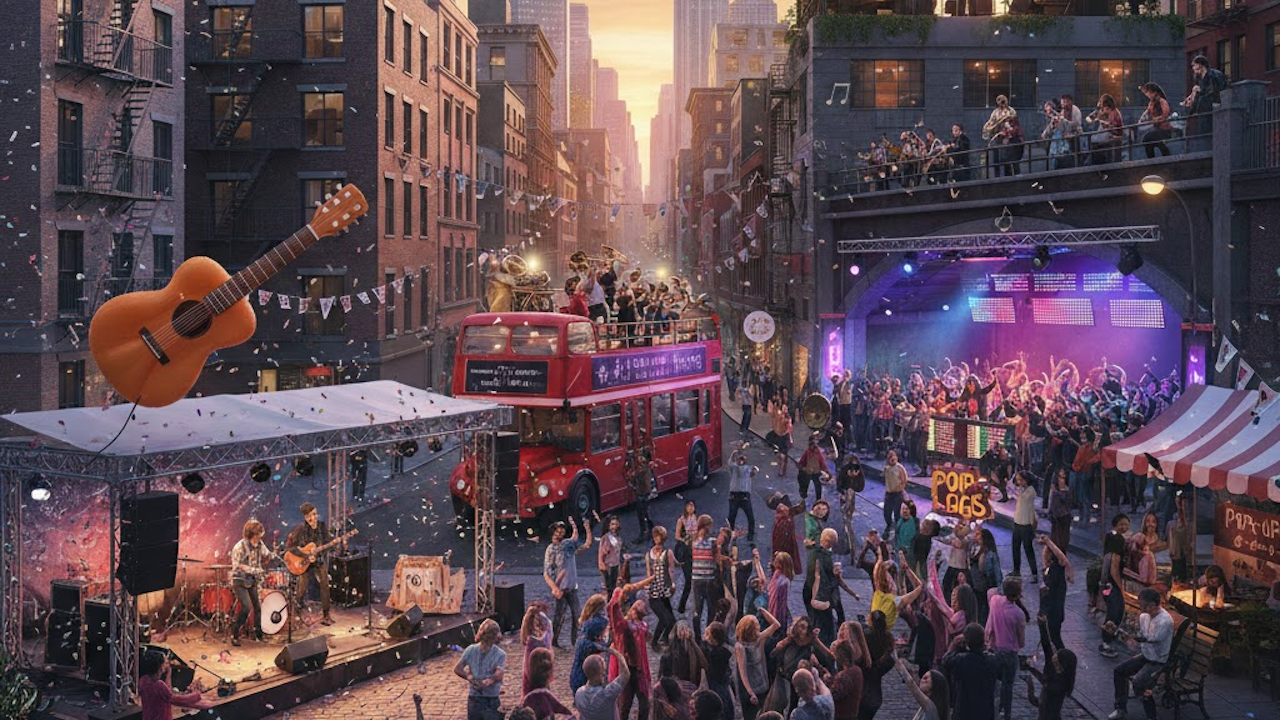
Pop-up gigs represent a transformative trend in the entertainment industry, characterized by their spontaneous and temporary nature. Originating from a blend of street performance culture and the contemporary demand for unique experiences, these events serve as a fresh alternative to traditional, ticketed shows. Unlike conventional concerts or theater productions, which often require advance planning and set venues, pop-up gigs spring up in a variety of locations—parks, rooftops, warehouses, and even street corners—offering flexibility and a sense of adventure.
This evolution has been largely facilitated by urbanization and the growing appetite for fleeting yet impactful experiences. Particularly in city environments, where people seek out novel forms of entertainment, pop-up gigs have found fertile ground. They cater to an audience that craves engagement with art and performance in dynamic, unexpected settings, allowing spectators to be part of something ephemeral, lending a unique charm to the experience.
Pop-up gigs encompass a wide range of formats including live music performances, art installations, and interactive theatrical presentations. This diversity appeals primarily to younger demographics who are often searching for more than just passive entertainment; they desire social interactions that foster community and connection. As such, these spontaneous events not only provide entertainment but also foster camaraderie among attendees, enhancing the overall appeal.
The rise of digital platforms and social media has also contributed significantly to the popularity of pop-up gigs, enabling event organizers to reach wider audiences rapidly. Through strategic online promotion, these events can gain traction quickly, leading to an accelerated buzz that draws crowds and encourages participation. Overall, pop-up gigs signify a shift towards experiences that prioritize spontaneity and originality, catering to the evolving tastes of modern audiences.
Pop-up gigs have emerged as a fascinating trend in urban entertainment, capturing the interest and imagination of a diverse audience. One of the primary factors driving the popularity of these events is the contemporary desire for instant gratification. Today’s consumers are increasingly attracted to experiences that offer immediate enjoyment and engagement. Pop-up gigs cater to this need by providing accessible performances that require little advance planning, enabling participants to enjoy spontaneous entertainment without the extensive logistical arrangements common with traditional events.
Moreover, community engagement plays a significant role in the allure of pop-up gigs. These events often take place in unique, unexpected locations, allowing local artists to connect with their communities in novel ways. By fostering a sense of belonging and shared experience, pop-up gigs create an environment where attendees feel part of something larger. This communal aspect enhances the overall enjoyment, transforming a simple performance into a memorable social event.
The thrill of the unexpected also contributes to the appeal of pop-up gigs. The unpredictable nature of these events adds an element of excitement, as audiences never know when or where the next performance might occur. This unpredictability not only spices up the entertainment landscape but also entices individuals to remain vigilant and engaged with their surroundings, heightening their overall experience.
Social media serves as a pivotal tool in promoting pop-up gigs, facilitating instant updates that capture the attention of potential attendees. Platforms like Instagram, Twitter, and Facebook allow organizers to spread the word quickly, generating buzz and a sense of urgency around upcoming events. The ability to share real-time information encourages followers to participate in these fleeting moments of creativity, ultimately amplifying the collective experience of attending a pop-up gig.
The Economic Impact of Pop-Up Gigs on Cities
The emergence of pop-up gigs has significantly influenced local economies, serving as a catalyst for stimulating growth and fostering community engagement. These spontaneous events draw in diverse crowds, leading to increased foot traffic within various neighborhoods. This influx not only supports the local hospitality and entertainment sectors but also has a ripple effect on small businesses, enhancing visibility and driving sales. For instance, when a pop-up music event is held, nearby cafes, restaurants, and shops experience heightened patronage, ultimately benefiting from the excitement and energy generated by the gig.
Moreover, local governments and organizations are recognizing the economic potential associated with the pop-up gig culture. In many cases, city officials are exploring ways to nurture this trend through regulations and incentives. By providing permits and resources for organizers, local authorities aim to create a supportive environment that fosters creativity and entrepreneurship. Cities like New York and San Francisco have implemented policies to encourage these types of events, resulting in vibrant cultural experiences that celebrate local talent and attract tourists.
The financial implications of pop-up gigs extend beyond immediate sales increases; they also generate tax revenue for municipalities. Events attracting large audiences can provide a significant boost to local tax coffers, leading to improved public services. For instance, in places where pop-up markets have become prevalent, city revenues from sales tax have shown notable growth, which can be redirected to enhance community infrastructure.
Several cities have embraced pop-up culture with open arms, witnessing remarkable benefits as a result. For example, in Chicago, local street fairs that feature pop-up performances have not only enhanced community spirit but also have become crucial elements of the city’s tourism strategy. In summary, the economic impact of pop-up gigs on cities is profound, fostering local business growth, generating revenue, and reinforcing the cultural fabric of urban areas.
The Future of Pop-Up Gigs in Urban Settings
The evolution of pop-up gigs in urban landscapes marks a transformative shift in the entertainment industry. As cities continue to thrive as cultural hubs, the potential for spontaneous events is becoming more pronounced. Future pop-up gigs are expected to reflect a blend of adaptability and innovation, altering the fabric of urban life in various capacities.
One significant aspect of the future of these events is the way cities will adapt their infrastructures to accommodate them. Enhanced permitting processes may emerge, allowing for quicker approvals and streamlined regulations to facilitate spontaneous occurrences. Urban planners may also begin to designate specific zones conducive to pop-up events, ensuring that both organizers and attendees can engage without disrupting regular city operations.
Nevertheless, the rise of pop-up gigs is not without challenges. Issues such as overcrowding in popular urban areas can arise, leading local authorities to consider limits on the number of gigs that can be held in specific locations at any given time. Additionally, noise regulations will likely come under scrutiny to strike a balance between the vibrancy of these events and the need for community peace. Finding solutions to these challenges will be critical to maintaining the viability and attractiveness of pop-up gigs as a regular feature of urban entertainment.
Further, the role of technology cannot be overlooked. With advancements in social media and event planning platforms, the promotion and logistics of pop-up gigs have become more efficient, potentially increasing community engagement. As these spontaneous performances continue to unfold, they have the power to reshape cultural landscapes by introducing diverse forms of entertainment to wider audiences, creating shared experiences that foster connectivity within communities. Ultimately, the future of pop-up gigs lies in their ability to evolve hand-in-hand with urban environments, offering dynamic interactions that adapt to the ever-changing societal needs.