

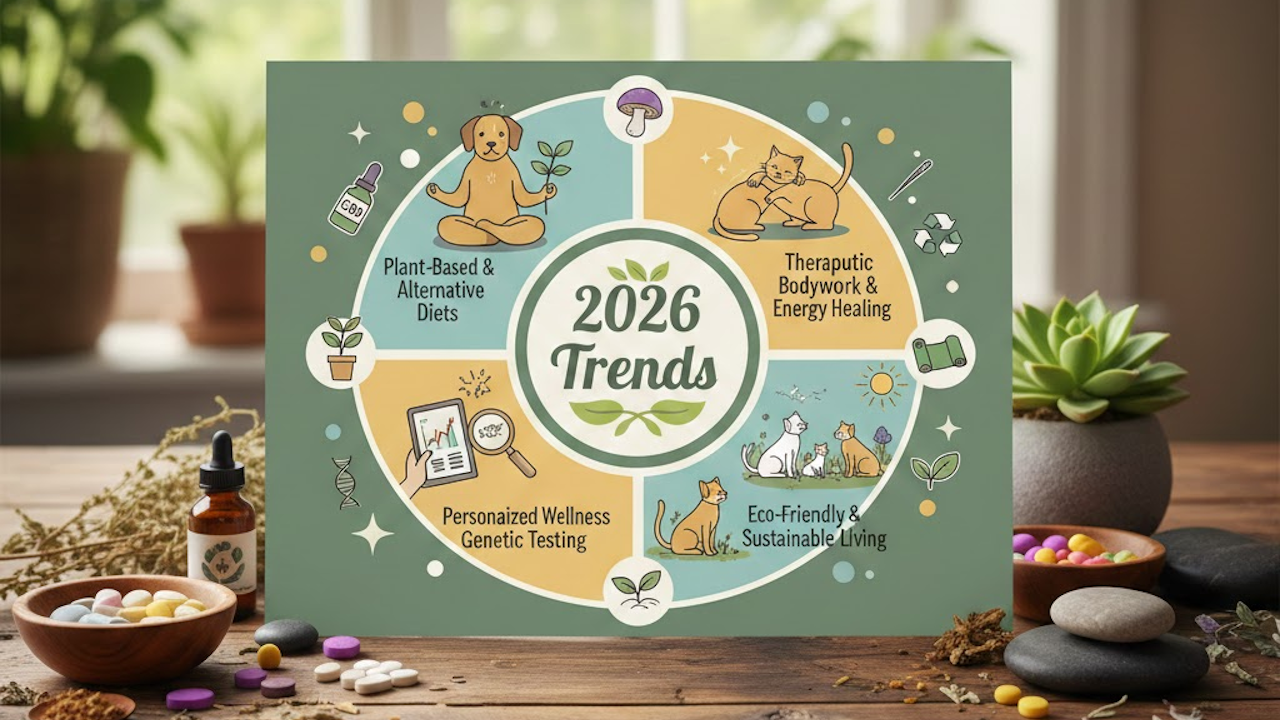
Holistic pet care treats animals as complete beings whose physical health, emotional state, environment, and lifestyle all interconnect. Rather than focusing solely on treating symptoms with conventional medicine, this approach emphasizes prevention, natural therapies, balanced nutrition, and supportive modalities that work alongside traditional veterinary care. In 2026, the trend continues to accelerate as pet owners increasingly view their dogs, cats, and other companions as family members deserving comprehensive, compassionate attention aimed at longevity and quality of life.
The broader pet industry reflects this shift. Projected U.S. pet spending reaches $165 billion in 2026, with significant portions directed toward veterinary care, supplies, and premium wellness products. The alternative veterinary medicine market, valued at $3.2 billion in 2025, grows to $3.4 billion in 2026 and is on track for substantial expansion through 2033. Younger generations, particularly millennials and Gen Z, drive demand for premium services that include holistic options. Client interest in preventive and integrative care has risen markedly over the past two decades, prompting more veterinary practices to adopt multimodal strategies that combine evidence-based conventional treatments with complementary therapies.
This evolution responds to several converging factors: greater awareness of pharmaceutical side effects, a desire for fewer interventions through early prevention, advances in understanding the gut-brain axis and microbiome, sustainability concerns, and technology that enables personalized monitoring. Pet owners seek approaches that support the whole animal while reducing reliance on long-term medications where possible. The following sections explore the major holistic pet care trends shaping 2026, offering practical insights for owners committed to their pets’ thriving.
Integrative Veterinary Approaches: Acupuncture, Chiropractic, Rehabilitation, and Multimodal Care
Integrative veterinary medicine combines conventional practices with complementary therapies to address the root causes of imbalance and promote overall wellness. The American Veterinary Medical Association recently updated its policy on complementary, alternative, and integrative veterinary medicine, signaling growing professional acceptance. Modalities commonly include acupuncture, veterinary manipulative therapy (chiropractic-style adjustments), physical rehabilitation, massage, and herbal support. These do not replace standard care but enhance it, particularly for chronic conditions, pain management, mobility issues, and recovery.
Acupuncture involves inserting fine needles at specific points to stimulate nerves, improve blood flow, release endorphins, and modulate inflammation. It shows strong results for osteoarthritis, intervertebral disc disease, postoperative pain, and certain neurological conditions. Many pets experience improved comfort and function after a series of sessions, often allowing reduced reliance on pain medications.
Veterinary manipulative therapy, or animal chiropractic care, focuses on spinal alignment and joint mobility. Certified practitioners use gentle, controlled adjustments to restore proper nerve function and biomechanics. Owners of dogs with hip dysplasia, stiffness, or performance-related issues frequently report better gait and reduced discomfort after several visits. This modality pairs well with rehabilitation programs.
Physical rehabilitation has become mainstream in integrative settings. Techniques include therapeutic exercises, underwater treadmills for low-impact conditioning, laser therapy, massage, and proprioceptive training. These accelerate healing after injury or surgery, manage chronic pain, and maintain strength in senior pets. Water-based therapy provides resistance and buoyancy that allow safe movement even for arthritic animals.
Massage and manual therapies further support circulation, reduce muscle tension, and enhance relaxation. Many integrative practices now offer packages combining these elements into individualized plans. The result is often improved mobility, better sleep, enhanced immune response, and stronger human-animal bonds through regular, hands-on care.
Pet owners interested in these therapies should seek veterinarians certified in the specific modality, such as those trained through recognized programs in veterinary acupuncture or animal chiropractic. Initial consultations typically involve thorough history-taking and examination, followed by a tailored treatment schedule. Integration with conventional diagnostics ensures safety and optimal outcomes.
Revolution in Pet Nutrition: Personalized, Functional, Whole-Food, and Sustainable Approaches
Nutrition forms the foundation of holistic pet care. In 2026, the move away from generic kibble toward personalized and functional diets continues strongly. Owners recognize that what pets eat directly influences digestion, immunity, skin health, energy, behavior, and longevity.
Personalized nutrition tailors meals to a pet’s age, breed, weight, activity level, allergies, and specific health conditions. Some plans incorporate microbiome testing or genetic insights for even finer customization. Fresh, gently cooked, freeze-dried raw, air-dried, and gently prepared options gain popularity because they preserve nutrients better than highly processed kibble. These formats appeal to owners seeking biologically appropriate or minimally processed foods.
Functional ingredients take center stage. Probiotics, prebiotics, and postbiotics support gut microbiome balance, which links to digestion, immunity, skin conditions, and even mood through the gut-brain axis. Omega-3 fatty acids from sustainable sources aid joint health and reduce inflammation. Antioxidants such as those in blueberries support cognitive function in seniors. Turmeric, quercetin, and bromelain appear in formulations targeting inflammation and allergies. Superfoods and nutraceuticals move beyond basic nutrition to deliver targeted benefits.
Alternative and plant-based proteins, including peas, lentils, insects, algae, and fermentation-derived options, address both allergy concerns and sustainability. These reduce reliance on conventional meat sources with high environmental footprints. Meal rotation, using varied high-quality proteins, helps prevent sensitivities and provides broader nutrient profiles.
Organic and natural pet food options dominate consumer preference, with clean-label demands driving transparency in sourcing and production. Sustainability ties directly into holistic values: ethical ingredient sourcing, recyclable or refillable packaging, and lower-impact proteins support both pet health and planetary well-being. The functional pet food segment grows rapidly as owners seek evidence-backed ingredients for specific outcomes like joint support, weight management, or cognitive health.
Transitioning to new diets requires patience and veterinary guidance, especially for pets with sensitivities. Many owners start with partial rotations or work with veterinary nutritionists to ensure complete and balanced nutrition. The payoff includes shinier coats, better stool quality, sustained energy, and fewer chronic issues over time.
Supporting Mental and Emotional Wellbeing Naturally
Mental health receives dedicated attention in 2026 pet care. Stress, anxiety, boredom, and environmental changes contribute to behavioral issues, weakened immunity, and diminished quality of life. Holistic approaches prioritize prevention and gentle support alongside environmental management.
Calming products using natural ingredients grow in popularity. Pheromone diffusers and sprays mimic comforting signals for dogs and cats. Herbal blends featuring chamomile, lavender, valerian root, and L-theanine promote relaxation without sedation. CBD products, discussed further below, also serve this space. Enrichment through puzzle toys, scent work, varied walks, and safe outdoor time provides mental stimulation that prevents destructive behaviors.
Fear Free veterinary practices redesign clinics with soft lighting, quiet zones, gentle handling techniques, and pheromone support to reduce visit-related stress. This philosophy extends to home routines: predictable schedules, safe spaces, and positive reinforcement lower baseline anxiety. Vets increasingly discuss mental wellness during exams, screening for signs of stress or cognitive changes in seniors.
For noise phobias, separation anxiety, or travel stress, multimodal plans combine behavioral modification, environmental adjustments, and natural supplements. Owners report calmer pets and stronger bonds when mental health forms part of routine care rather than an afterthought.
The Rise of CBD and Advanced Natural Supplements
The pet CBD market expands dramatically in 2026, driven by demand for natural options addressing pain, inflammation, anxiety, and seizure support. Hemp-derived CBD products for pets show strong growth, with dogs representing the largest segment and cats gaining ground. Owners appreciate potential benefits for arthritis discomfort, post-surgical recovery, noise sensitivity, and overall calm.
Quality remains paramount. Reputable products undergo third-party testing for purity, potency, and absence of contaminants, with certificates of analysis readily available. Veterinary-formulated options with clear dosing guidelines help ensure safety. While research continues, many integrative veterinarians incorporate CBD thoughtfully into multimodal plans, often alongside acupuncture or rehabilitation for synergistic effects.
Other advanced supplements target longevity and specific concerns. Postbiotics and precision probiotics support microbiome health. Emerging anti-aging compounds focus on cellular energy and repair. Ingredients addressing allergies and inflammation, such as quercetin and apple cider vinegar derivatives, appear in targeted formulas. Weight-management innovations and joint-support blends round out the offerings. The emphasis stays on prevention and wellness rather than crisis intervention.
As with any supplement, consultation with a knowledgeable veterinarian prevents interactions and ensures appropriateness for the individual pet. Starting with lower doses and monitoring responses allows safe integration.
Technology and Data-Driven Holistic Care
Smart technology enhances holistic care by providing objective data on activity, sleep, heart rate variability, and behavior patterns. Wearable collars and tags alert owners to subtle changes that might indicate emerging issues, enabling earlier holistic interventions such as dietary adjustments, increased enrichment, or veterinary visits.
Apps aggregate this information and sometimes integrate with telehealth platforms, allowing remote consultations with integrative practitioners. Smart feeders and interactive toys support precise portion control and mental stimulation. Data-driven insights help refine personalized nutrition and wellness plans over time.
Technology does not replace hands-on care or professional diagnosis. It serves as a valuable adjunct that empowers owners to participate actively in their pets’ preventive health while facilitating timely professional support.
Preventive Wellness, Longevity, and Senior Pet Focus
Wellness plans shift emphasis from reactive sick visits to proactive monitoring and maintenance. Routine exams now routinely assess weight trends, joint function, dental health, mood, and early biomarkers. Twice-yearly visits benefit many senior pets. Early detection paired with holistic support often prevents minor imbalances from becoming major problems.
Senior care receives particular focus. Pets live longer thanks to better nutrition and medical advances, increasing demand for comfort-oriented approaches. Mobility support through chiropractic, rehabilitation, joint supplements, and appropriate exercise helps maintain independence. Cognitive support via antioxidants and mental enrichment addresses aging brain changes. Comfort care integrates pain management, gentle handling, and quality-of-life assessments.
Longevity science influences supplement choices and lifestyle recommendations. The goal extends beyond lifespan to healthspan: years lived actively and comfortably. Integrative strategies support this by addressing inflammation, oxidative stress, and musculoskeletal health holistically.
Sustainability: Holistic Care for Pets and the Planet
Holistic principles naturally extend to environmental responsibility. Eco-friendly pet products grow rapidly as owners seek alignment between their values and purchasing decisions. Biodegradable waste bags, refillable containers, non-toxic natural grooming products, and sustainably sourced ingredients reflect this consciousness.
Alternative proteins and responsibly sourced omega-3s reduce pressure on wild fisheries and conventional agriculture. Circular packaging designs and transparent supply chains build trust. Many owners view sustainable choices as an extension of caring for their pet’s long-term environment.
Navigating Challenges and Best Practices
Despite enthusiasm, holistic pet care requires discernment. Regulation of supplements and CBD varies; quality control depends on manufacturer standards. Evidence levels differ across modalities: nutrition and rehabilitation rest on solid foundations, while others benefit from ongoing research. Cost can be higher for premium products and specialized services.
Best practices include partnering with a primary veterinarian open to integrative collaboration or directly with certified holistic practitioners. Maintain conventional diagnostics and emergency care access. Introduce changes gradually, document responses, and prioritize individualized plans over trends. Reputable sources, transparent labeling, and professional guidance mitigate risks of misinformation or unsuitable products.
Looking Ahead: The Future of Holistic Pet Care
By the end of the decade, expect deeper integration of genomics, advanced microbiome analysis, and artificial intelligence for hyper-personalized recommendations. Climate considerations may further influence protein sourcing and product design. More veterinary schools and continuing education programs will likely incorporate integrative training, expanding access to qualified care.
The convergence of science and tradition positions holistic pet care as a mature, respected field rather than an alternative fringe. Pet owners who embrace these trends thoughtfully can provide their companions with care that honors physical vitality, emotional balance, and environmental harmony.
Conclusion
Holistic pet care trends for 2026 reflect a profound shift toward proactive, whole-being wellness. From integrative therapies like acupuncture and rehabilitation to personalized functional nutrition, natural calming support, CBD innovations, smart monitoring, and sustainable practices, the focus remains on helping pets live longer, more comfortable, and joyful lives. By blending the best of conventional medicine with evidence-informed natural approaches, owners and practitioners together create resilient health foundations.
Success lies in partnership: informed owners working alongside skilled veterinarians to tailor plans that evolve with each pet’s unique needs. Whether through a new diet rotation, regular chiropractic sessions, enriched daily routines, or thoughtful supplement support, small consistent steps compound into meaningful differences. In 2026 and beyond, holistic pet care stands as an expression of deep respect for the animals who enrich our lives so profoundly. Choosing this path demonstrates commitment not only to their health but to a more compassionate way of caring for all beings.