

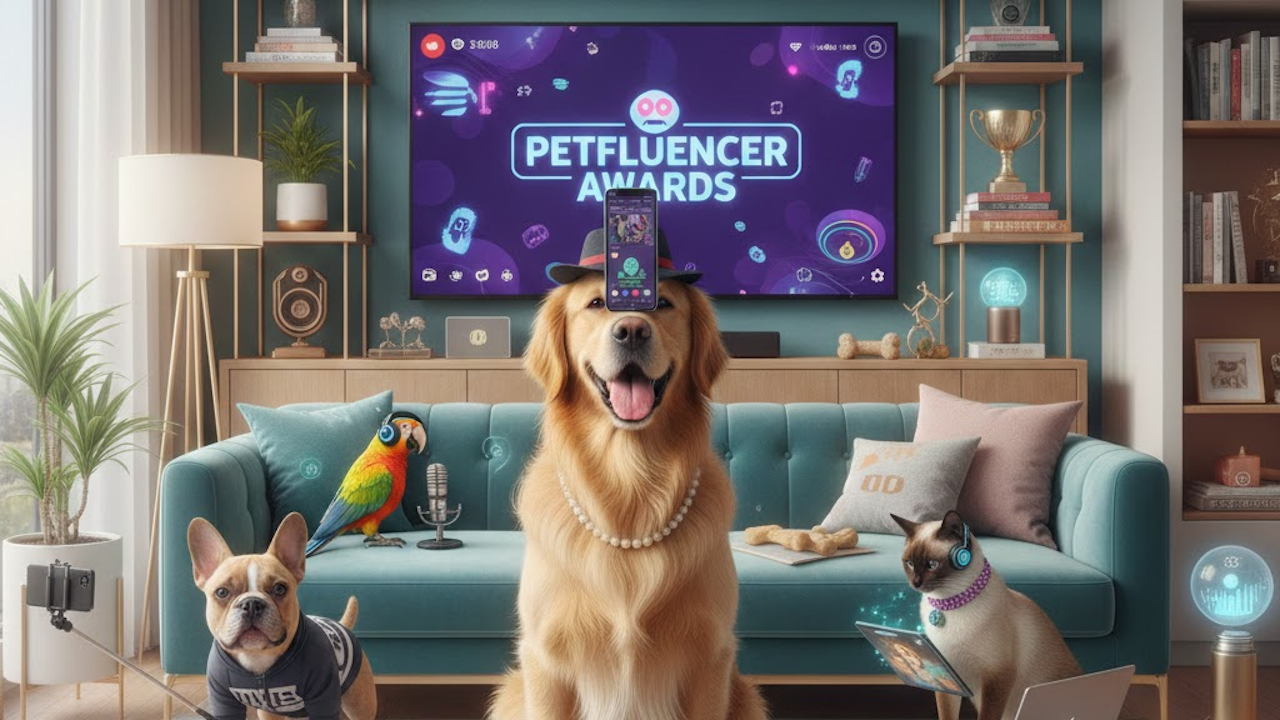
Pet influencers have evolved from a niche curiosity into a dominant cultural force, and by 2026 animals are not just popular on social media, they are shaping it. Dogs, cats, parrots, reptiles, and even farm animals command audiences that rival human creators. Their rise reflects deeper shifts in how people seek connection, authenticity, and comfort online in an era shaped by algorithms, artificial intelligence, and digital fatigue.
One reason pet influencers thrive in 2026 is trust. Audiences have grown skeptical of overly polished human influencers who carefully script every moment. Animals, by contrast, are perceived as honest. A dog reacting to a new toy or a cat expressing clear disapproval does not feel manufactured, even when editing and planning are involved. This sense of authenticity is powerful. Viewers believe they are seeing genuine emotion rather than performance, and that belief builds loyalty.
Platforms have adapted to this demand. Short form video remains dominant, but algorithmic preferences increasingly reward content that sparks emotional engagement rather than controversy. Pets excel here. A thirty second clip of a golden retriever comforting a crying child or a rescued pigeon learning to fly again consistently outperforms heated debates or flashy stunts. Social media companies have noticed that animal content keeps users scrolling without the burnout that political or drama driven posts often cause.
In 2026, many pet influencers are no longer solo stars but part of carefully managed creator ecosystems. Owners operate like media producers, scheduling posts, managing brand partnerships, and analyzing audience data. Some of the most successful animal accounts employ teams that handle filming, editing, community management, and merchandising. This professionalization has turned pets into recognizable brands with logos, catchphrases, and cross platform identities spanning video, livestreams, podcasts, and even virtual appearances.
Technology has further amplified their reach. AI powered translation tools allow captions and voiceovers to appear instantly in multiple languages, helping a cat in Seoul or a dog in São Paulo build a global fan base overnight. Voice synthesis, used carefully, gives animals a consistent narrative voice without pretending the pet actually speaks. When done well, this enhances storytelling while keeping the animal’s personality at the center.
Another major development is the rise of purpose driven pet influencers. Many popular animal accounts in 2026 are tied to causes such as adoption, disability awareness, mental health support, and environmental conservation. A three legged dog documents daily life to challenge ideas about disability. A flock of backyard chickens becomes a symbol of sustainable living. These accounts do more than entertain. They educate, raise funds, and mobilize communities. Brands increasingly prefer partnerships with these creators because they align marketing with social responsibility.
Pet influencers also shape commerce in subtle ways. Instead of direct advertising, products are integrated naturally into daily routines. A cat lounging on a specific style of furniture or a rabbit happily using a certain enrichment toy influences purchasing decisions without overt promotion. Audiences respond positively to this softer approach, especially when transparency rules require clear disclosure. By 2026, ethical guidelines around animal welfare and advertising are stricter, and audiences are quick to call out accounts that appear to exploit their pets.
Not all changes are positive. The popularity of pet influencers has sparked debates about animal consent and well being. Critics question whether constant filming creates stress, even if the animal appears comfortable. In response, many creators now openly discuss rest days, veterinary oversight, and behavioral cues that signal when filming stops. This transparency has become part of an account’s credibility. Followers want reassurance that the animals they love are safe, happy, and respected.
Virtual and augmented reality have added another layer. Some top pet influencers offer immersive experiences where fans can watch a walk from a dog’s perspective or explore a habitat alongside an exotic animal. These experiences deepen emotional bonds and open new revenue streams, but they also raise questions about access and digital inequality. Still, the appetite for closeness to animals remains strong, especially among urban audiences with limited contact with nature.
Ultimately, pet influencers in 2026 succeed because they meet a fundamental human need. They provide joy without judgment, stories without shouting, and connection without conflict. In a crowded digital landscape, animals cut through noise with a wag, a purr, or a curious tilt of the head. As social media continues to evolve, animals are not just participating in online culture. They are quietly ruling it.