

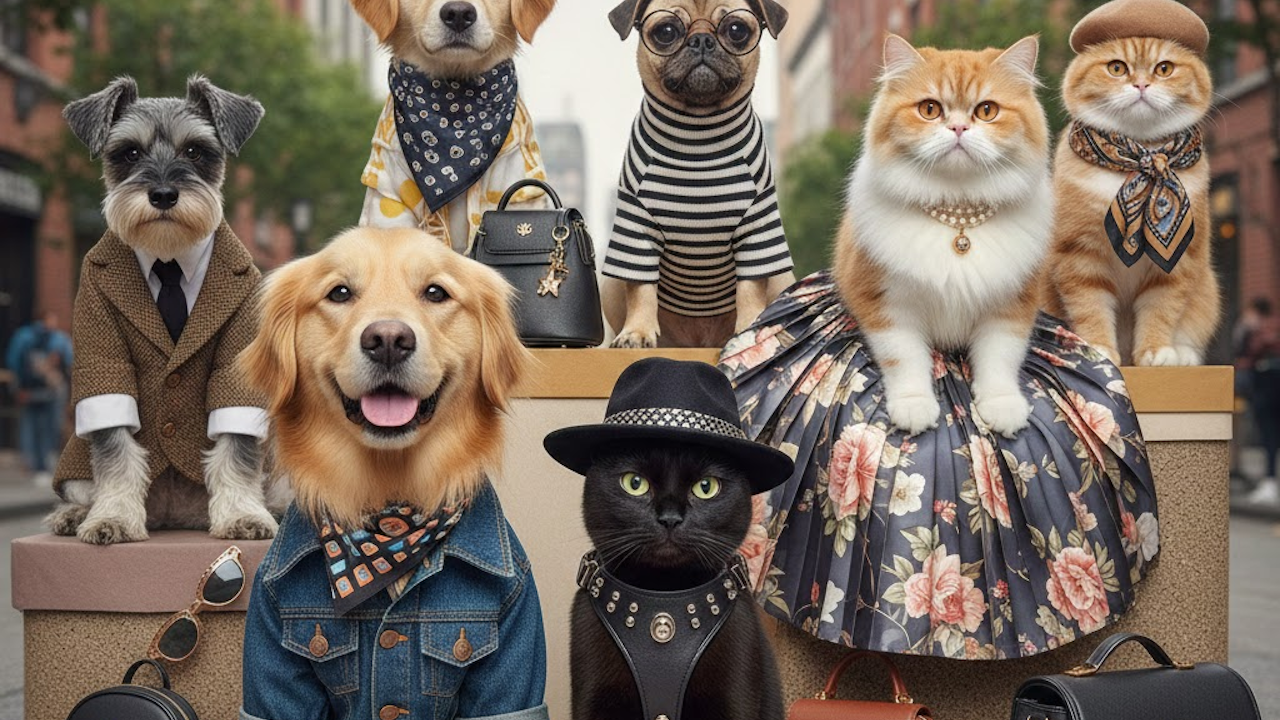
In recent years, dogs and cats have stepped into a surprising new role as style icons. Once valued mainly for companionship and utility, pets are now part of a visual culture where clothing and accessories help define identity, taste, and even social belonging. Outfits for dogs and cats are no longer novelty items reserved for holidays or humorous photos. They have become everyday expressions of creativity that reflect how deeply animals are woven into human lifestyles.
One reason pet outfits have grown in popularity is the changing way people see their animals. Many owners view dogs and cats as family members rather than property. Dressing a pet can feel similar to choosing clothes for a child, an act that communicates care, attention, and affection. A sweater in cold weather or a raincoat on a wet walk is practical, but it also carries emotional meaning. These garments suggest protection and thoughtfulness, qualities that resonate strongly in a culture that values nurturing relationships.
Social media has amplified this trend dramatically. Platforms built around images reward striking visuals, and pets in outfits easily capture attention. A cat in a tiny hoodie or a dog in a coordinated jacket can turn an ordinary photo into something shareable. As these images circulate, they set informal standards for what looks fashionable. Certain colors, patterns, and seasonal themes become popular through repetition, creating cycles of trend and imitation similar to those seen in human fashion.
Outfits also allow owners to project personality onto their pets. A dog dressed in a sporty jersey may be seen as energetic and playful, while a cat in a minimalist scarf might appear elegant or aloof. These choices are often playful, but they reveal how clothing acts as a storytelling tool. Through outfits, pets become characters with distinct styles, helping owners express humor, creativity, or even irony without words.
The pet fashion industry has responded quickly to this demand. Designers now produce clothing lines that mirror human trends, including streetwear inspired hoodies, tailored coats, and luxury fabrics. Some brands emphasize sustainability, using recycled materials or organic fibers to appeal to environmentally conscious buyers. Others focus on comfort and fit, acknowledging that animals have different needs than humans. This blend of style and function has helped legitimize pet outfits as more than gimmicks.
Cats, once considered resistant to clothing, have also entered the trend conversation. While many cats still dislike wearing outfits, those that tolerate or enjoy light garments have become stars online. Cat fashion tends to emphasize simplicity and softness, with lightweight fabrics and minimal coverage. This approach respects feline behavior while still allowing for visual flair. The rise of cat outfits challenges the idea that only dogs can participate in wearable trends.
Cultural shifts play a role as well. Urban living often brings pets into closer proximity with human social spaces like cafes, parks, and shops. In these environments, outfits can serve as social signals. A well dressed pet can attract conversation, smiles, and even a sense of shared community among strangers. Clothing becomes a bridge that connects people through their animals, turning pets into social ambassadors.
There is also an element of empowerment in dressing pets. In uncertain times, small acts of creativity can provide comfort and joy. Choosing an outfit for a dog or cat is a low risk way to engage with beauty and playfulness. It allows owners to control a small part of their world and share happiness with others. This emotional payoff helps explain why the trend persists beyond simple novelty.
Critics sometimes argue that pet outfits are unnecessary or even unfair to animals. These concerns are valid when clothing restricts movement or causes stress. However, responsible pet fashion emphasizes consent and comfort. Trendy outfits that succeed long term tend to be those that animals can wear easily and safely. As awareness grows, the market increasingly rewards designs that balance aesthetics with well being.
Ultimately, outfits have made dogs and cats trendy because they reflect broader changes in how people relate to animals, media, and self expression. Pet clothing sits at the intersection of affection, identity, and visual culture. It turns everyday companions into style statements while reinforcing emotional bonds. As long as pets remain central to human lives, and as long as people seek creative ways to share joy, outfits will continue to shape how dogs and cats capture attention and hearts in a fashionable world.