

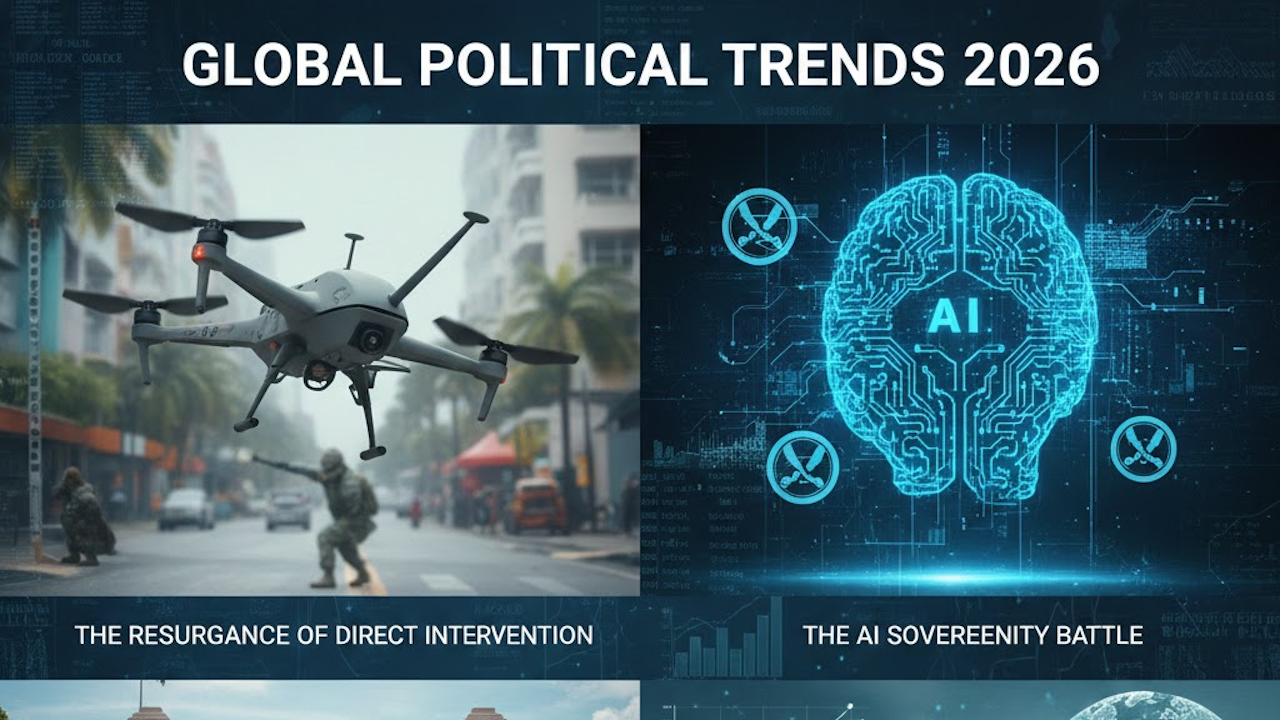
In the middle of July 2026, online conversations about politics remain intensely focused on a handful of interconnected crises and domestic battles that shape daily headlines, social media feeds, and public debate. From escalating military exchanges in the Middle East to internal power struggles in wartime Ukraine and the early stages of the U.S. midterm election cycle, these topics dominate discussion across platforms. They reflect deeper tensions over security, democracy, economic stability, and the role of technology in governance. What follows is an examination of the most prominent issues currently driving online engagement, drawn from recent developments and the patterns of public attention surrounding them.
The U.S.-Iran Conflict and the Strait of Hormuz
One of the most closely watched stories online centers on the renewed fighting between the United States and Iran. A memorandum of understanding signed in mid-June 2026 had established a temporary pause in hostilities and opened a window for negotiations aimed at restoring commercial shipping through the Strait of Hormuz. That arrangement has frayed badly in recent weeks. Iranian forces attacked commercial vessels near the waterway, prompting U.S. military strikes on Iranian coastal defense systems, missile sites, air defenses, and related infrastructure. Iran responded with attacks on U.S. military positions in neighboring countries including Bahrain, Kuwait, and Jordan.
President Donald Trump has described the ceasefire as over while simultaneously stating that technical talks with Iran could continue. Iranian officials have characterized the situation as an existential conflict with America. Oil prices have risen in response, with Brent crude reaching multi-week highs as shipping companies reconsider routes through one of the world’s most critical energy chokepoints. Online discussions frequently highlight the economic stakes for global energy markets, the risk of broader regional escalation involving Gulf states, and questions about whether either side can achieve a decisive outcome. Supporters of the U.S. approach emphasize the need to protect freedom of navigation and degrade Iran’s ability to threaten commercial traffic. Critics argue that the cycle of strikes risks wider war without a clear political endpoint and that previous rounds of military action have not produced lasting stability.
The conflict also carries domestic political weight in the United States. Trump has requested substantial emergency funding related to operations in the region, and the issue surfaces regularly in debates about foreign policy priorities, defense spending, and the administration’s overall approach to the Middle East. Social media threads often juxtapose footage of strikes and shipping disruptions with arguments about the human and financial costs of prolonged engagement.
U.S. Midterm Preparations and Domestic Polarization
Closer to home, American politics is already oriented toward the November midterms, with several high-profile contests generating sustained online attention. Arizona’s primary election, scheduled for July 21, stands out as a focal point. The state’s Republican contests feature candidates closely aligned with Trump’s wing of the party, including figures who previously promoted claims of irregularities in the 2020 election. Conservatives in the state have continued to push narratives around election security, while Democrats and voting rights advocates warn that such rhetoric undermines confidence in the system. Races for governor, congressional seats, and state legislative districts are being closely tracked, with immigration enforcement emerging as a recurring local issue in some municipal contests.
Nationally, the Trump administration has emphasized election integrity measures, including public statements revisiting long-standing claims about 2020 and calls for tighter voting rules. At the same time, progressive candidates have scored notable primary victories in places such as New York, where left-wing challengers backed by figures associated with democratic socialism defeated several establishment Democrats. These outcomes have intensified debates within the Democratic Party about its direction, messaging on Israel, and approach to urban governance.
Immigration enforcement remains another flashpoint. Recent incidents involving Immigration and Customs Enforcement officers, including fatal shootings, have prompted congressional inquiries into training and vetting procedures. Supporters of expanded enforcement argue that stricter policies have reduced illegal border crossings and are necessary for public safety. Opponents contend that rapid expansion of personnel and aggressive tactics create risks of excessive force and erode community trust. Online discourse around these events frequently mixes video clips, official statements, and competing interpretations of the same incidents.
The Supreme Court has also shaped the political conversation. Recent rulings rejected an administration effort to end birthright citizenship, upheld certain state restrictions on transgender athletes in women’s sports, and addressed campaign finance rules in ways that could increase spending in the midterms. Each decision has fueled partisan reactions online, with one side celebrating judicial restraint or constitutional fidelity and the other warning of broader consequences for rights and representation.
Ukraine’s Internal Political Strains
While the war with Russia continues, Ukraine itself has become a source of significant online discussion because of domestic political turbulence. President Volodymyr Zelenskyy recently reshuffled his government, declining to renominate popular Defense Minister Mykhailo Fedorov. Fedorov, widely credited with advancing Ukraine’s drone capabilities and technological edge on the battlefield, had clashed with elements of the traditional military leadership. The decision triggered protests in Kyiv and multiple other cities, with demonstrators holding handmade cardboard signs calling for his reinstatement. These gatherings coincided with parliamentary consideration of a broader cabinet overhaul that also involves the prime minister’s position.
The protests reflect accumulated wartime pressures. Zelenskyy has remained in office under martial law, which suspends regular elections, and has conducted several government changes since the full-scale Russian invasion began. Supporters of the reshuffle frame it as necessary to resolve internal friction and adapt strategy. Critics, including some within Ukraine’s civil society and military-adjacent communities, view the removal of a capable modernizer as a setback at a moment when Russian aerial attacks continue and Western support remains critical. Online coverage often pairs images of the cardboard protests with updates on Russian strikes and Ukrainian military operations, underscoring the dual challenges of external aggression and internal cohesion.
Broader International Shifts and Emerging Issues
Several other developments round out the current slate of trending political topics. In Latin America, recent elections in Colombia and Peru have produced conservative victories, with Colombia’s new president receiving an endorsement from Trump. These outcomes are frequently discussed online as part of a wider regional realignment. In Eastern Europe, Serbian President Aleksandar Vučić has announced plans to resign, opening the door to early elections amid ongoing political instability. Protests in Albania over a proposed development linked to high-profile American investors have also drawn attention.
Artificial intelligence continues to intersect with politics in new ways. Japan has approved rules requiring labeling of AI-generated content related to elections and prohibiting certain false information about candidates. Debates about AI’s role in campaigning, misinformation, and governance appear regularly in online political discussions, often tied to broader questions about regulation versus innovation. Meanwhile, China’s leadership has conducted further high-level purges, and Israel is preparing for national elections later in the year, both of which generate periodic spikes in international commentary.
NATO dynamics remain relevant as well. Recent summit interactions highlighted ongoing friction over defense spending targets and burden-sharing, with Trump pressing allies for higher contributions while also raising familiar issues such as Greenland. These exchanges feed into larger conversations about the future of alliances and American priorities abroad.
Why These Topics Dominate Online
What unites these stories is their capacity to generate strong emotional responses, clear partisan or national divisions, and continuous streams of new information. Military developments produce dramatic visuals and immediate economic signals. Electoral contests invite speculation about power shifts and ideological purity. Internal political crises in wartime settings raise questions of leadership competence and democratic accountability under extreme pressure. Each topic also invites competing narratives that travel easily across social platforms, where users amplify preferred interpretations and challenge opposing ones.
As of mid-July 2026, the online political landscape shows little sign of quieting. The interplay between the U.S.-Iran confrontation, American midterm positioning, Ukraine’s wartime governance challenges, and secondary international developments creates a dense environment of news, analysis, and argument. Observers tracking these discussions will continue to see them evolve with each new strike, primary result, cabinet decision, or court ruling. The intensity of engagement reflects the high stakes involved for security, prosperity, and the functioning of democratic institutions in multiple regions at once.