

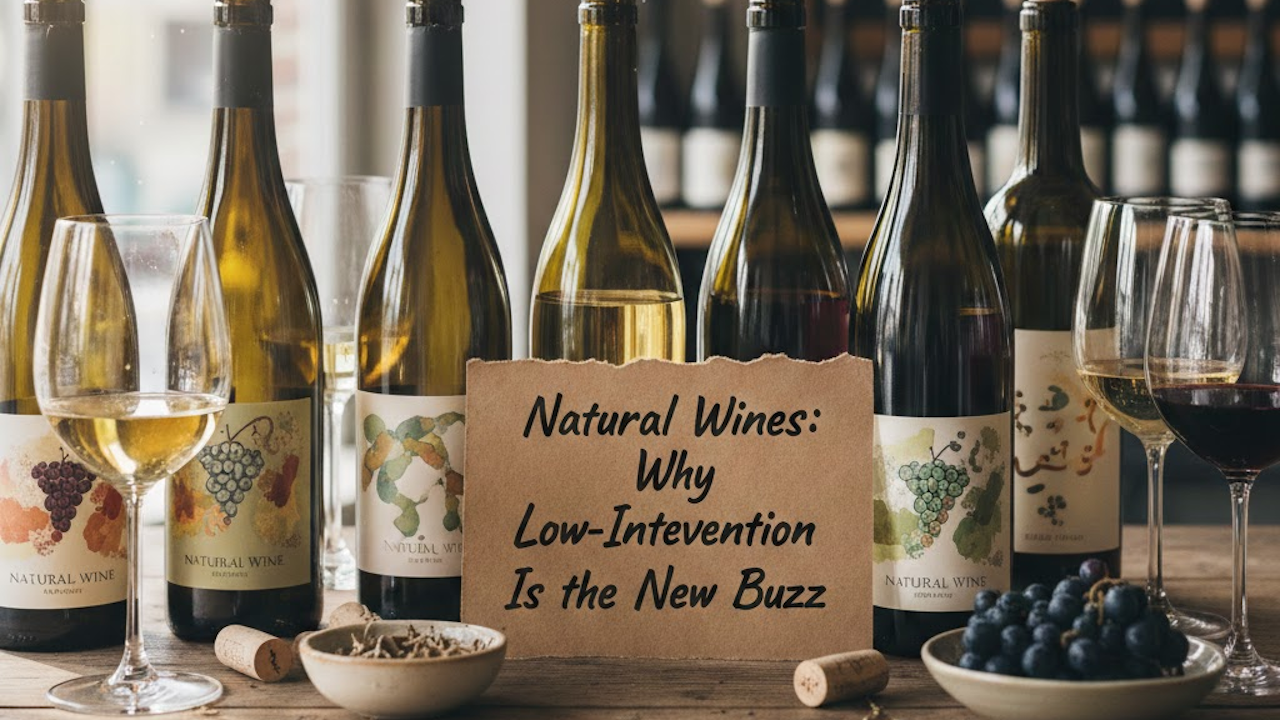
In the ever-evolving world of wine, a quiet revolution has been fermenting for years. Natural wines, often characterized by their low-intervention approach, have surged from niche curiosity to mainstream fascination. As consumers increasingly seek authenticity, sustainability, and unique flavors in their glasses, these wines have become the darling of sommeliers, influencers, and everyday drinkers alike. But what exactly are natural wines, and why has low-intervention winemaking captured so much attention in recent years? This article delves into the heart of this trend, exploring its roots, appeal, challenges, and future prospects.
Defining Natural Wines and Low-Intervention Winemaking
At its core, natural wine refers to a style of winemaking that emphasizes minimal human interference throughout the process, from vineyard to bottle. Unlike conventional wines, which often rely on chemical additives, pesticides, and technological manipulations to ensure consistency and longevity, natural wines aim to let nature take the lead. This means using organic or biodynamic farming practices in the vineyard, where grapes are grown without synthetic fertilizers or herbicides. In the cellar, interventions are kept to a bare minimum: native yeasts handle fermentation instead of commercial strains, filtration and fining are often skipped, and sulfur dioxide (a common preservative) is used sparingly or not at all.
The terms “natural wine” and “low-intervention wine” are sometimes used interchangeably, but subtle distinctions exist. Low-intervention broadly describes any winemaking that reduces artificial inputs, while natural wine often implies an even stricter philosophy, sometimes called “zero-zero” for zero additives and zero manipulations. There’s no official certification for natural wines, which can lead to debates about authenticity. However, organizations like RAW Wine and movements led by importers and retailers have helped standardize the concept. The result? Wines that are alive, expressive, and reflective of their terroir, the unique combination of soil, climate, and grape variety.
These wines can taste wildly different from their conventional counterparts. Expect vibrant acidity, funky aromas (think barnyard or wild fruit), and sometimes a slight fizz or cloudiness due to unfiltered sediments. Lower alcohol levels are common, often under 13%, aligning with trends toward lighter, more sessionable drinks. For newcomers, this can be a shock, but for enthusiasts, it’s the allure of unpredictability and purity.
The Historical Roots of the Movement
The natural wine movement isn’t entirely new; it harkens back to ancient winemaking traditions before industrialization took hold. Wine has been produced for thousands of years using simple methods, but the 20th century brought mechanization, chemical agriculture, and global standardization. Post-World War II, the wine industry boomed with high-yield vines, pesticides, and additives to meet mass demand. This led to uniform, predictable wines that prioritized shelf stability over character.
The backlash began in the 1970s and 1980s, particularly in France’s Loire Valley and Beaujolais regions, where pioneers like Jules Chauvet advocated for chemical-free farming and spontaneous fermentation. Influenced by the organic food movement and environmental concerns, these early adopters sought to revive “real” wine. By the 2000s, the trend spread to Italy, Spain, and the New World, with winemakers in places like California and Australia experimenting with biodynamic principles inspired by Rudolf Steiner.
In the 2010s, social media and urban wine bars accelerated the buzz. Cities like New York, London, and Paris saw the rise of dedicated natural wine spots, where sommeliers championed small producers. By the 2020s, amid global challenges like climate change and the pandemic, consumers craved products that felt ethical and unprocessed. Google search volume for natural wine skyrocketed by 878% between 2015 and 2022, a trend that continued into 2026. Today, natural wine represents a return to basics, but with a modern twist of innovation and storytelling.
Why Low-Intervention Is Buzzing Now: Key Drivers of Popularity
The surge in natural wine’s popularity isn’t accidental. Several interconnected factors have propelled low-intervention wines into the spotlight, making them a symbol of contemporary values.
First, environmental consciousness plays a pivotal role. As awareness of climate change and biodiversity loss grows, consumers are drawn to wines that prioritize sustainable farming. Organic and biodynamic practices reduce chemical runoff, promote soil health, and support ecosystems. Many natural winemakers avoid irrigation to encourage deep-rooted vines that are more resilient to drought, a critical adaptation in warming regions. This aligns with broader trends: global wine consumption may be declining, but natural wine sales are bucking the trend, growing steadily through 2024 and into 2025.
Health and wellness are another major draw. Younger generations, particularly millennials and Gen Z, are drinking less but more mindfully. Natural wines appeal because they contain fewer additives, which some believe reduces hangovers and allergic reactions (though scientific evidence is mixed). With lower alcohol content and no synthetic residues, they fit into lifestyles focused on moderation and clean eating. In a 2025 survey, health concerns were cited as a top reason for choosing low-ABV reds, a subset often overlapping with natural styles.
Taste and novelty also fuel the buzz. In an era of homogenized products, natural wines offer excitement. Their funky, untamed profiles, from pet-nat sparklers to orange wines (skin-contact whites), provide a departure from oaky Chardonnays or jammy Cabernets. This diversity encourages exploration, much like craft beer or specialty coffee. Social media amplifies this: Instagram reels of cloudy pours and vineyard stories make natural wine feel accessible and fun, attracting a demographic that views wine as a cultural experience rather than a status symbol.
Cultural shifts further explain the rise. The industry has faced gloom with declining sales overall, but natural wine thrives as a “bright spot.” It represents rebellion against corporate wine giants, supporting small, independent producers often run by young, diverse winemakers in their 20s and 30s. Natural wine bars, nonexistent a decade ago, now dot urban landscapes, fostering community and discovery. In places like the U.S., Europe, and even emerging markets, this movement embodies values of transparency, ethics, and joy.
Economic factors can’t be ignored. While natural wines are often pricier due to labor-intensive methods and lower yields, consumers are willing to pay a premium for artisanal quality. A 2024 market analysis showed natural wine outpacing the industry, with venues like restaurants and online retailers reporting double-digit growth.
Challenges and Criticisms of Natural Wines
Despite the hype, natural wines aren’t without detractors. One common critique is inconsistency. Without stabilizers, these wines can vary batch to batch, and some develop faults like mousiness or excessive volatility. Traditionalists argue that minimal intervention risks spoilage, leading to wines that taste “off” to untrained palates.
Price is another barrier. The hands-on approach and smaller scales make natural wines more expensive, potentially excluding budget-conscious drinkers. Accessibility issues persist: not all regions have access to these wines, and the lack of regulation means “natural” can be a marketing ploy for subpar products.
Environmental claims are scrutinized too. While many natural winemakers are sustainable, the movement isn’t monolithic; some use minimal intervention but not organic farming. Transport emissions from small producers can add up, though local sourcing mitigates this.
Finally, the “funk” factor divides opinions. What excites one drinker might repel another, leading to debates about whether natural wines prioritize ideology over enjoyment.
The Future of Low-Intervention Wines
Looking ahead, the natural wine trend shows no signs of slowing. As climate change intensifies, low-intervention methods could become essential for resilient viticulture. Innovations like hybrid grapes and regenerative agriculture will likely integrate with natural practices.
Market projections are optimistic: by 2026, natural wine is expected to continue its upward trajectory, with more mainstream adoption. Education will play a key role, as retailers and apps demystify the category. Hybrids with conventional winemaking might emerge, blending the best of both worlds.
Younger winemakers are leading the charge, pushing boundaries with zero-zero wines and sustainable packaging. Global events like natural wine fairs and collaborations will expand reach, potentially influencing even large producers to adopt greener methods.
Conclusion
Natural wines embody a shift toward mindful consumption in an uncertain world. Their low-intervention ethos resonates with those seeking purity, planet-friendly practices, and playful flavors. While challenges remain, the buzz around this movement reflects deeper desires for authenticity and connection. Whether you’re a skeptic or a convert, one sip of a well-made natural wine might just reveal why it’s capturing hearts and glasses everywhere. As the industry evolves, low-intervention isn’t just a trend; it’s a glimpse into wine’s sustainable future.