

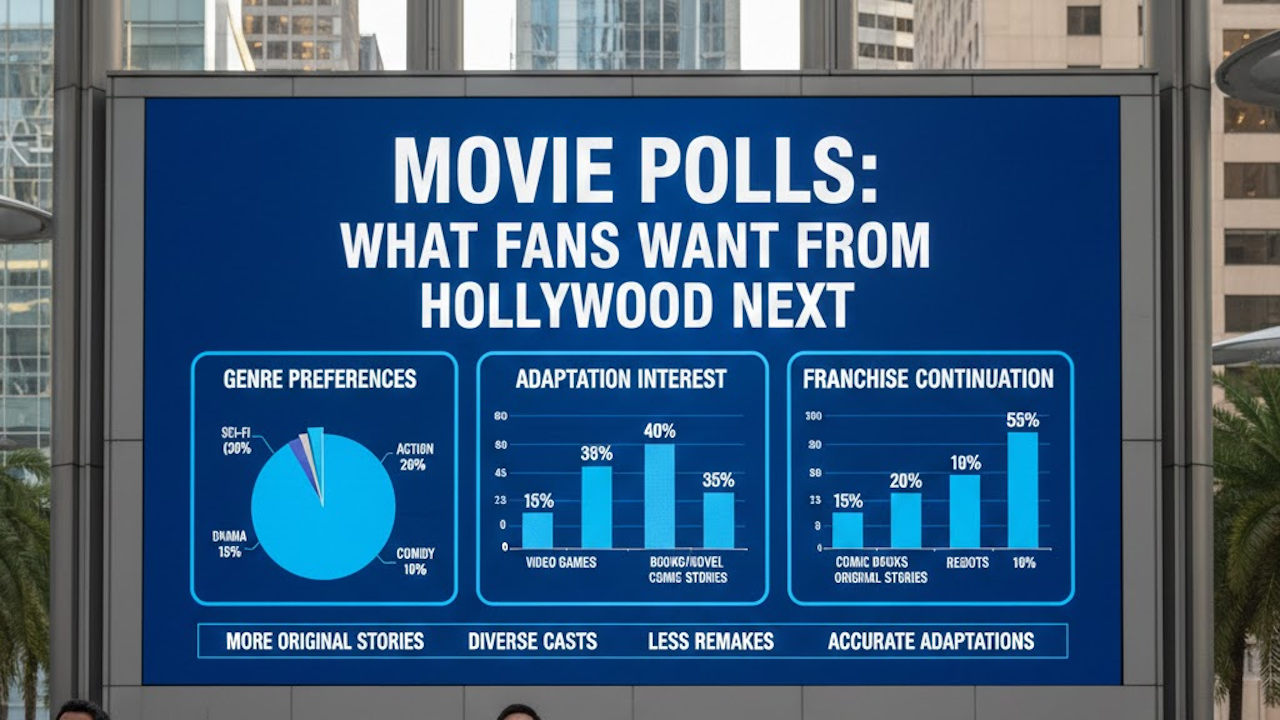
The Power of Movie Polls
Movie polls have emerged as a significant tool for film fans, enabling them to express their preferences and opinions on various aspects of cinema. These polls allow audiences to reflect their desires regarding preferred characters, anticipated plots, and favored filmmakers, thereby creating a dialogue between fans and the industry. As film culture evolves, the popularity of these polls has surged, highlighting a new era of consumer engagement in Hollywood.
One of the critical drivers behind the growing appeal of movie polls is the rise of social media and online platforms. Websites dedicated to movie enthusiasts, such as Rotten Tomatoes, IMDb, and specific fan forums, facilitate numerous polls that gather insights into what audiences want. These platforms not only provide a venue for fans to vote but also foster discussions surrounding upcoming releases, existing franchises, and even potential spin-offs. With millions of voices participating in these polls, the aggregated data presents a compelling reflection of audience tastes and expectations.
Moreover, the influence of movie polls on Hollywood’s decision-making processes cannot be understated. When film studios and producers take note of the preferences expressed in these polls, they are provided with valuable insights that can guide their project development. For example, a poll indicating high interest in a particular character’s return might motivate studios to prioritize related projects. Similarly, if fans overwhelmingly vote for diverse storytelling or innovative plotlines, decision-makers are compelled to consider these preferences in their future productions.
In essence, movie polls represent a powerful intersection of audience engagement and industry response, shaping the landscape of modern cinema. As the film industry continues to evolve, these polls will likely play an even more significant role in dictating the future of movie-making.
Top Trends Revealed by Fans
Recent movie polls conducted across various platforms have highlighted several trends and preferences exhibited by fans. From a thorough analysis, three predominant themes have arisen: the longing for long-awaited sequels, adaptations of popular literary works, and the revival of classic franchises. This indicates a strong desire among viewers for familiar narratives paired with contemporary storytelling techniques.
One of the standout findings from these polls is the overwhelming demand for sequels to beloved films. According to various survey statistics, approximately 65% of respondents expressed interest in sequels to films released over the past two decades, particularly those in the action and fantasy genres. Fans are not just nostalgic; they are eager to see what new twists their favorite characters might experience.
In addition to sequels, polls reveal a significant interest in adaptations of well-known books. Around 58% of fans indicated a preference for films that transform their favorite novels into cinematic experiences. Titles like “The Night Circus” and the Harry Potter spinoffs have emerged as frontrunners in this category. Such adaptations not only attract avid readers but also bridge the gap between literary and cinematic storytelling.
Furthermore, the resurgence of classic franchises has captured the imagination of a significant portion of the audience. Poll data shows that franchises such as “Jurassic Park” and “Star Wars” continue to dominate fan interest, with over 70% expressing excitement for reboots or continuations. This trend indicates an appetite for nostalgia while simultaneously embracing new elements to these timeless stories.
To summarize, the current trends emerging from movie polls point to an audience eager for sequels, literary adaptations, and the revival of beloved franchises. These insights not only illuminate fan preferences but also provide crucial guidance for Hollywood’s future projects.
What Fans Want: Voices from the Community
In recent polls conducted across various platforms, an array of insights from film enthusiasts has surfaced, highlighting the diverse expectations and desires among audiences regarding future movie releases. Fans have expressed their opinions across several demographics, including age, gender, and geographical location, painting a broad picture of what they collectively crave from Hollywood.
One notable trend is the increasing demand for original storylines. Many fans, especially younger viewers aged 18-24, have voiced their preference for innovative narratives over sequels and reboots. This demographic is particularly vocal about their desire for stories that resonate with contemporary issues such as mental health, social justice, and climate change. Interestingly, this focus on originality was echoed by older audiences, particularly those aged 45 and above, who expressed frustration with the current trend of recycling established franchises.
Moreover, gender representation in films has emerged as a significant concern across the board. Female respondents frequently commented on the need for stronger, multi-dimensional female characters. These comments came not only from women but also from male fans who advocate for a broader range of gender roles that reflect the complexity of real-life relationships. Many expressed a longing for narratives that showcase both vulnerability and strength, particularly in blockbuster films.
Additionally, there were unexpected requests surfacing in the polls, such as calls for films that incorporate more interactive elements—merging gaming with storytelling. This suggests a shift towards an immersive viewing experience that draws viewers deeper into the narrative. Location preferences also varied, with fans from urban areas seeking films set in diverse metropolitan backdrops as opposed to rural or small-town settings.
The emotional responses captured in these polls reveal a yearning for connection and relevance in cinema. As Hollywood continues to evolve, the voices from the community provide crucial guidance on the types of stories that resonate with various audience segments.
Hollywood’s Response to Fan Polls
In recent years, Hollywood has increasingly recognized the importance of fan engagement through movie polls. Studios and filmmakers are harnessing this feedback to shape their projects, reflecting a notable shift in the traditional filmmaking process. This approach not only allows for a more audience-centric methodology but also serves as a powerful marketing tool. By tapping into fan enthusiasm, Hollywood can gauge which projects are likely to resonate with viewers before investing significant resources.
Numerous examples illustrate how fan polls have directly influenced film production. For instance, when fans voiced overwhelming support for a sequel or spin-off through various polling platforms, studios have taken swift action to greenlight projects that cater to this demand. One notable example is the revival of classic franchises, such as the ‘Ghostbusters’ series. The enthusiasm shown through polls and social media was instrumental in motivating the studio to pursue a modern reinterpretation, ultimately leading to the release of ‘Ghostbusters: Afterlife’. This decision highlights the potential power of audience feedback, as the film not only resonated with nostalgic fans but also attracted a younger demographic.
The implications of this trend are significant, suggesting a shift towards more collaborative filmmaking processes. As studios refine their marketing strategies, movie polls are becoming a standard feature in assessing audience preferences. This openness to fan input encourages a more responsive approach to storytelling. Additionally, it poses the question of whether filmmakers can maintain their creative vision while adhering to audience demands. On one hand, such responsiveness can lead to more commercially viable projects; on the other, it risks compromising artistic integrity. The balance between audience feedback and creative storytelling will be a focal point for the future of filmmaking.